
Sensory Fidget Toys: How They Help Children With ADHD and Sensory Needs
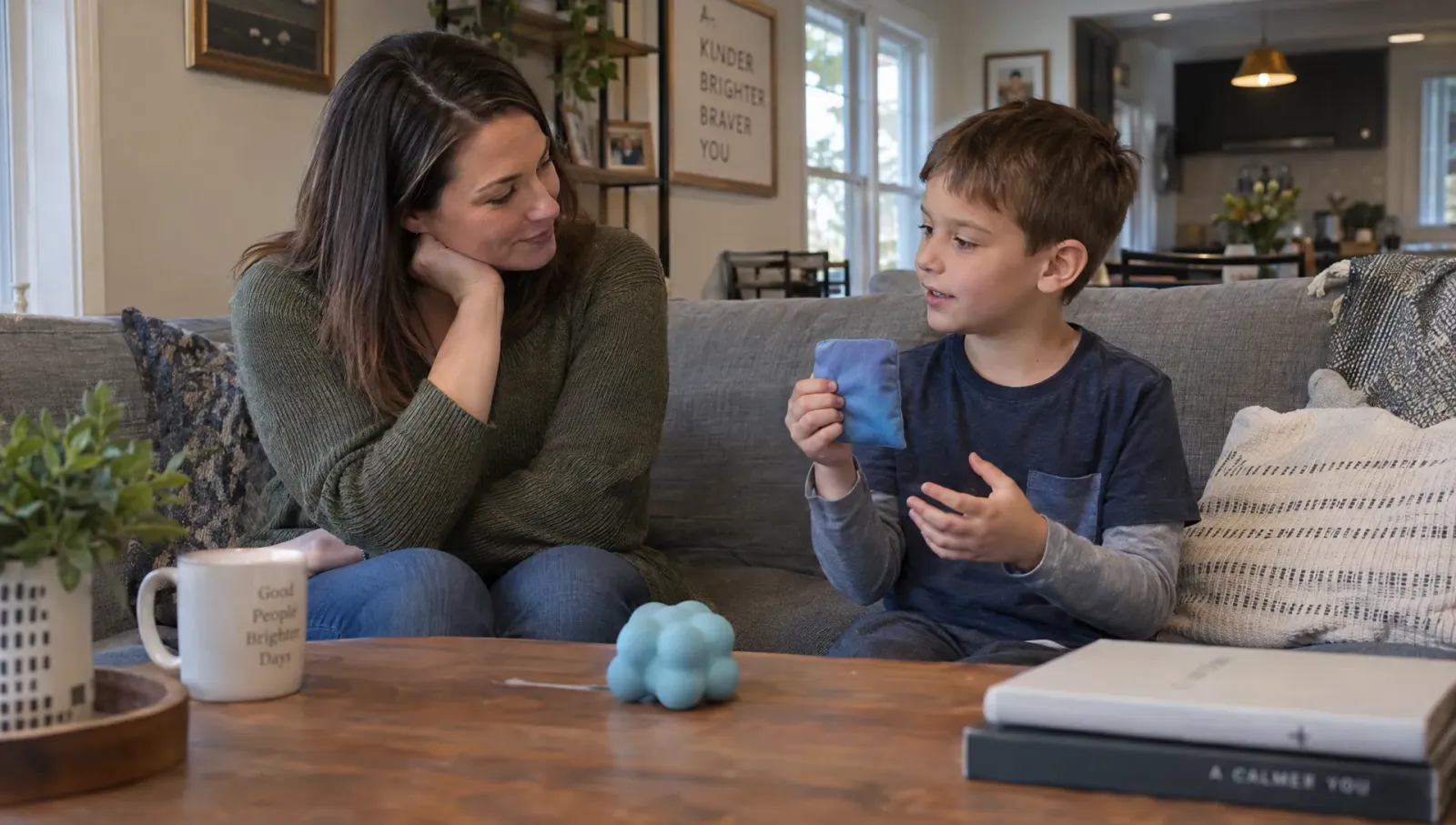
Can fidget toys help children with ADHD or sensory needs? Learn how different sensory fidget toys support participation, what to consider when choosing them, and how parents can introduce them safely at home and school.
Sensory fidget toys can give children a manageable way to move their hands, explore textures or release restless energy during everyday activities. For some children with ADHD or sensory differences, that input supports participation. For others, the same toy becomes another distraction. The aim is not perfectly still hands. It is helping your child engage comfortably with learning, play and communication while understanding what their ADHD fidgeting may be telling you.
Why movement may help, without promising a cure
Children differ in how they respond to touch, sound and movement. Some seek extra input by squeezing objects or tapping their fingers. Others find certain textures or noises overwhelming. A fidget provides a small, controllable source of input, but its usefulness depends on the child, task and environment.
ADHD fidgeting is not automatically misbehavior. Movement may help some children regulate alertness, although this does not mean every commercial toy improves attention. Research on classroom fidgets is mixed, and findings about movement cannot simply be applied to every product.
Fidgeting alone does not establish an ADHD diagnosis. If difficulties affect everyday life across settings, this parent guide to possible ADHD signs can help organize observations before an assessment.
A toy also cannot compensate for an overwhelming environment. Recognizing signs of sensory overload may reveal that your child needs less noise, clearer instructions or a break instead.
Choosing fidget toys for ADHD and sensory needs
Sensory fidget toys work best when selected for a specific purpose rather than their popularity. Start by noticing what your child already seeks: pressure, texture or repetitive finger movement.
| What your child seeks | Option to consider | What to check |
| Gentle squeezing | Soft, durable squeeze toy | Splitting, leaking or detachable pieces |
| Texture exploration | Textured fabric square or tactile strip | Skin comfort and secure attachment |
| Repeated finger movement | Age-appropriate handheld slider | Loose parts, clicking and visual distraction |
| A quiet object to hold | Small washable fabric item | Safe size and suitability for mouthing behaviors |
These are starting points, not prescriptions. Sensory fidgets should feel comfortable and remain manageable during the intended task. A visually engaging spinner might suit a play break but compete with a reading activity.
Let your child help choose between two suitable options. Ask, “Does this feel comfortable?” rather than assuming that a firmer or more textured item provides better support. An expensive sensory kit is not necessary to begin.
Using sensory fidget toys at home and school
Introduce one tool during one predictable activity, such as listening to a story. Explain its purpose simply: “You can squeeze this while we read.” Avoid making access conditional on keeping the rest of the body completely still.
Try a short, structured comparison
A brief trial can help you judge usefulness without turning daily routines into constant testing:
Choose one goal: Look for participation, such as following the story or beginning homework with fewer reminders.
Keep the task similar: Compare several sessions with and without the tool under reasonably similar conditions.
Notice the trade-off: Record whether engagement improves or whether the object attracts most of your child’s attention.
Ask your child: Include their comfort and preferences when deciding whether to continue.
For example, a child may remember more of a story while holding a fabric square but miss instructions when operating a clicking gadget. The quieter option is more useful for that particular activity.
Coordinate with the teacher before sending anything to school. Agree on when it can be used, where it stays and what happens if it becomes distracting. Sensory fidgets should sit alongside movement breaks and realistic task expectations, not replace them.
Families can also explore sensory activities for home routines when a handheld object does not meet the child’s movement needs.
Safety and product trends to consider
Sensory fidget toys need the same safety checks as other children’s products. Follow age guidance, supervise as needed and inspect items regularly. Avoid small detachable pieces, high-powered magnets, button batteries and water beads, especially when a child mouths objects. Discard damaged products promptly.
Stop using an item if it causes pain, skin irritation or distress. Children who chew objects need particular care: an ordinary fidget is not a chewing aid. Ask an occupational therapist about suitable options rather than substituting jewelry or household objects.
Current product trends include textured adhesive strips, wearable fidgets and quieter sliders. Their discreet design may suit classrooms, but “sensory” or “therapeutic” labeling does not prove effectiveness. Fidget toys for ADHD should be judged by safety and observable usefulness, not advertising claims.
When a fidget is not enough
Sensory fidget toys are optional supports, not treatments for ADHD or a substitute for assessment. The CDC’s ADHD treatment guidance describes established approaches including behavior therapy, school support and medication when appropriate. Treatment decisions belong with the child’s healthcare team.
Seek professional guidance when sensory responses consistently interfere with dressing, eating, learning or family activities. An occupational therapist can explore how sensory preferences, motor skills and task demands affect participation. Persistent inattention or hyperactivity may also warrant developmental assessment.
Communication difficulties deserve separate attention. A child who misses instructions may need language support, shorter directions or reduced background noise. Understanding how speech therapy can support children with ADHD can help families identify relevant communication goals.
Harmless movement does not need to be eliminated simply because it looks different. Support should make daily activities more accessible while respecting the child’s comfort.
Choose support around your child’s needs
Sensory fidget toys are most useful when they match a child’s preferences, serve a clear purpose and remain safe. Start small, observe participation and adjust without treating the tool as a cure.
For families searching for “speech therapy Dubai,” Bridges Speech Center offers speech therapy, occupational therapy, sensory integration support and parent involvement. If attention, sensory responses or communication difficulties affect your child’s routines, contact us to discuss their needs and appropriate next steps.