
Sensory Overload in Children: Symptoms, Causes & How to Help
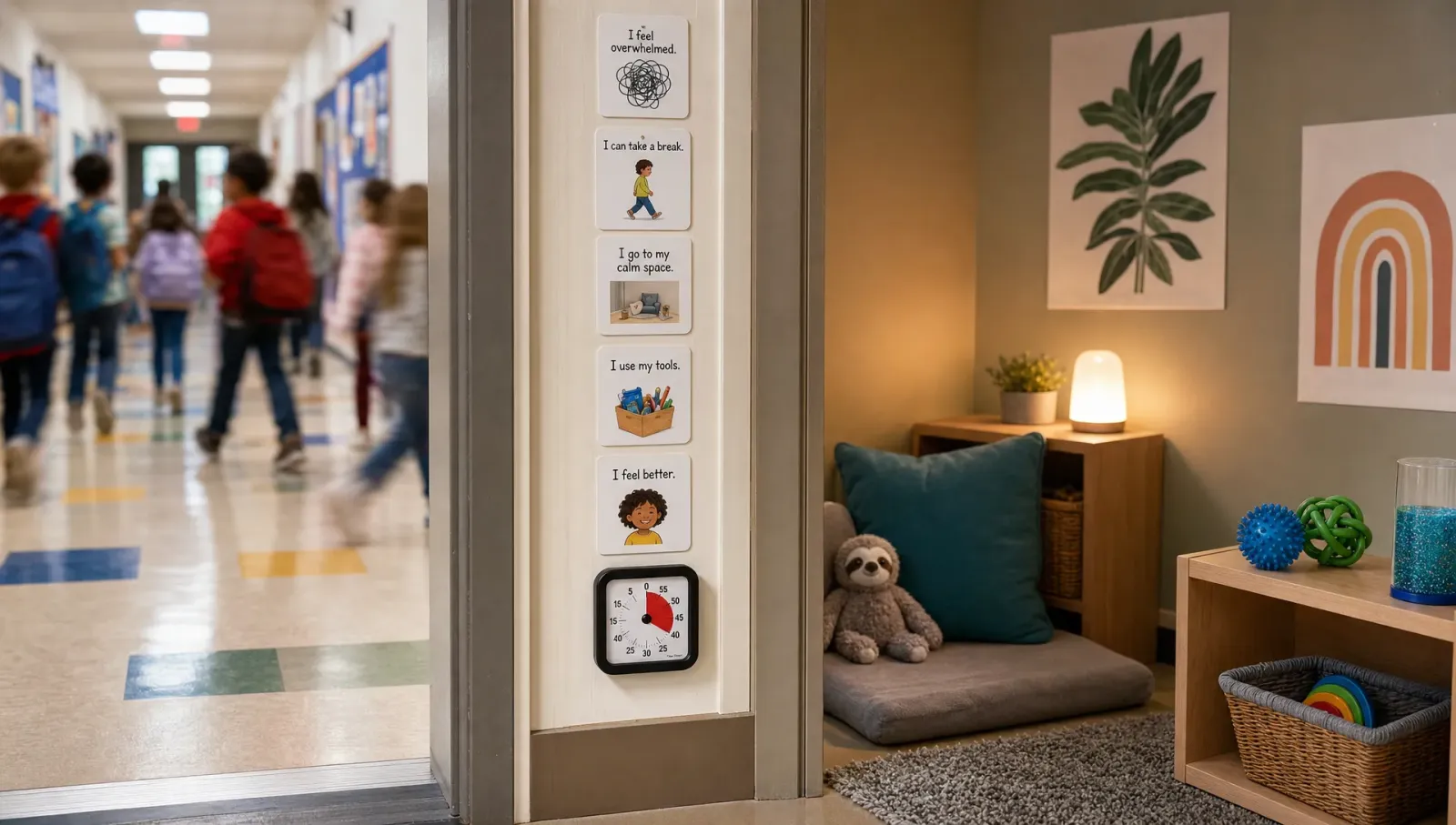
Sensory overload in children can cause meltdowns, withdrawal, or difficulty coping with everyday sounds, touch, movement and other sensory input. Learn the common signs, causes and practical ways parents can support their child.
Bright lights, birthday party noise, a scratchy school uniform or a crowded Dubai mall can feel mildly annoying to one child and unbearable to another. Sensory overload can make a child cry, run away, freeze, shout or refuse simple tasks, even when nothing looks “wrong” from the outside.
For parents, this can be confusing. Is it behavior? Anxiety? Autism? Tiredness? The answer may be a mix of factors. When adults understand what the child’s nervous system is trying to manage, support becomes calmer, kinder and more effective.
What sensory overload means for a child
Sensory overload happens when the brain receives more sensory information than it can organize at that moment. This can involve the familiar senses, such as hearing, sight, touch, smell and taste. It can also involve movement, balance, body awareness and internal body signals like hunger or the need to use the toilet.
A child might be overwhelmed by one strong trigger, such as a fire alarm. Another child may cope well for an hour, then suddenly break down after many small inputs build up: noise in the classroom, a tight shoe, a rushed transition and hunger before lunch.
This response is not laziness or bad manners. For some children, the nervous system moves into protection mode. The child may try to escape, block input, seek pressure or regain control through repetitive movement. If these patterns happen often, families may benefit from learning more about sensory processing disorder in children and how it affects daily routines.
Common sensory overload symptoms parents may notice
Sensory overload symptoms can look different depending on the child’s age, communication skills and environment. Some children explode outwardly. Others shut down quietly and may be mistaken for being shy, stubborn or inattentive.
Sensory trigger | What parents may notice | Helpful first response |
| Loud sounds | Covering ears, crying, panic, running away | Move to a quieter space and reduce talking |
| Bright or busy visuals | Squinting, hiding, irritability, difficulty focusing | Dim lights, reduce clutter and offer a break |
| Touch or clothing | Refusing tags, socks, grooming or hugs | Offer choices and avoid forcing touch |
| Movement or balance | Fear of swings, carsickness, clumsiness or seeking spinning | Use gradual exposure with professional guidance |
| Smell, taste or texture | Gagging, food refusal or distress at mealtimes | Keep meals calm and track specific triggers |
| Body awareness | Bumping into things, leaning, chewing or crashing | Provide safe heavy work or deep pressure if accepted |
Parents may also notice sleep difficulties, meltdowns after school, avoidance of supermarkets, trouble with birthday parties or sudden changes in behavior during grooming routines. In younger children, the signs may appear as crying, clinging or refusal. In older children, they may appear as irritability, headaches, withdrawal or angry outbursts.
Sensory overload causes: why it happens
Sensory overload causes vary from child to child. Some children have sensory processing differences from early development. Others become more sensitive when they are tired, hungry, anxious, unwell or managing a major change at home or school.
Neurodevelopmental differences can also play a role. Children with autism, ADHD, developmental language disorder, anxiety or motor coordination challenges may find it harder to filter input, predict what comes next or communicate discomfort before it becomes too much.
Communication matters. When a child cannot explain that the lights hurt, the room is too loud or the food texture feels unsafe, distress can come out as behavior. Support such as speech therapy Dubai at Bridges Speech Center can help children build functional communication, request breaks and express discomfort in safer ways.
Autism, ADHD and communication: why overlap matters
The phrase sensory overload autism is common because many autistic children experience strong sensory differences. The CDC lists unusual reactions to how things sound, smell, taste, look or feel as possible autism-related signs. Still, sensory sensitivity is not limited to autism. It can also appear in children with ADHD, anxiety, developmental delays or no diagnosis at all.
The key is to look for patterns rather than labels only. Does your child struggle mainly in noisy places? During transitions? At mealtimes? After long school days? If autism and high activity levels are part of your concern, this parent guide to autism and hyperactivity in children may help you understand why movement, communication frustration and sensory needs often overlap.
A speech pathologist, occupational therapist, psychologist or developmental professional can help identify what is driving the behavior. The goal is not to stop a child from having sensory preferences. The goal is to improve comfort, participation, communication and safety.
How to help in the moment
When a child is already overwhelmed, logic and lectures rarely work. The brain is focused on safety, not learning. Calm support should come first.
Try a simple reset plan:
- Reduce input by lowering noise, dimming lights or moving away from crowds.
- Use short phrases such as “You are safe” or “Let’s take a break.”
- Offer one or two choices, not a long explanation.
- Avoid forcing eye contact, touch or apologies during the peak of distress.
- Provide deep pressure, a weighted item or a firm hug only if your child likes it.
- Wait until the child is calm before discussing what happened.
A meltdown is not the time to teach coping skills. It is the time to protect dignity, reduce demands and help the child’s body return to a calmer state. Later, you can name the trigger and practice what to do next time.
Prevention at home, school and outings
Prevention starts with observation. Keep a short trigger diary for two weeks. Note where the reaction happened, what came before it, how long it lasted and what helped recovery. Patterns often appear quickly.
A professional sensory integration plan may include movement activities, body awareness tasks, calming routines and environmental changes. These should be matched to the child’s needs because the wrong type of input can make some children more unsettled.
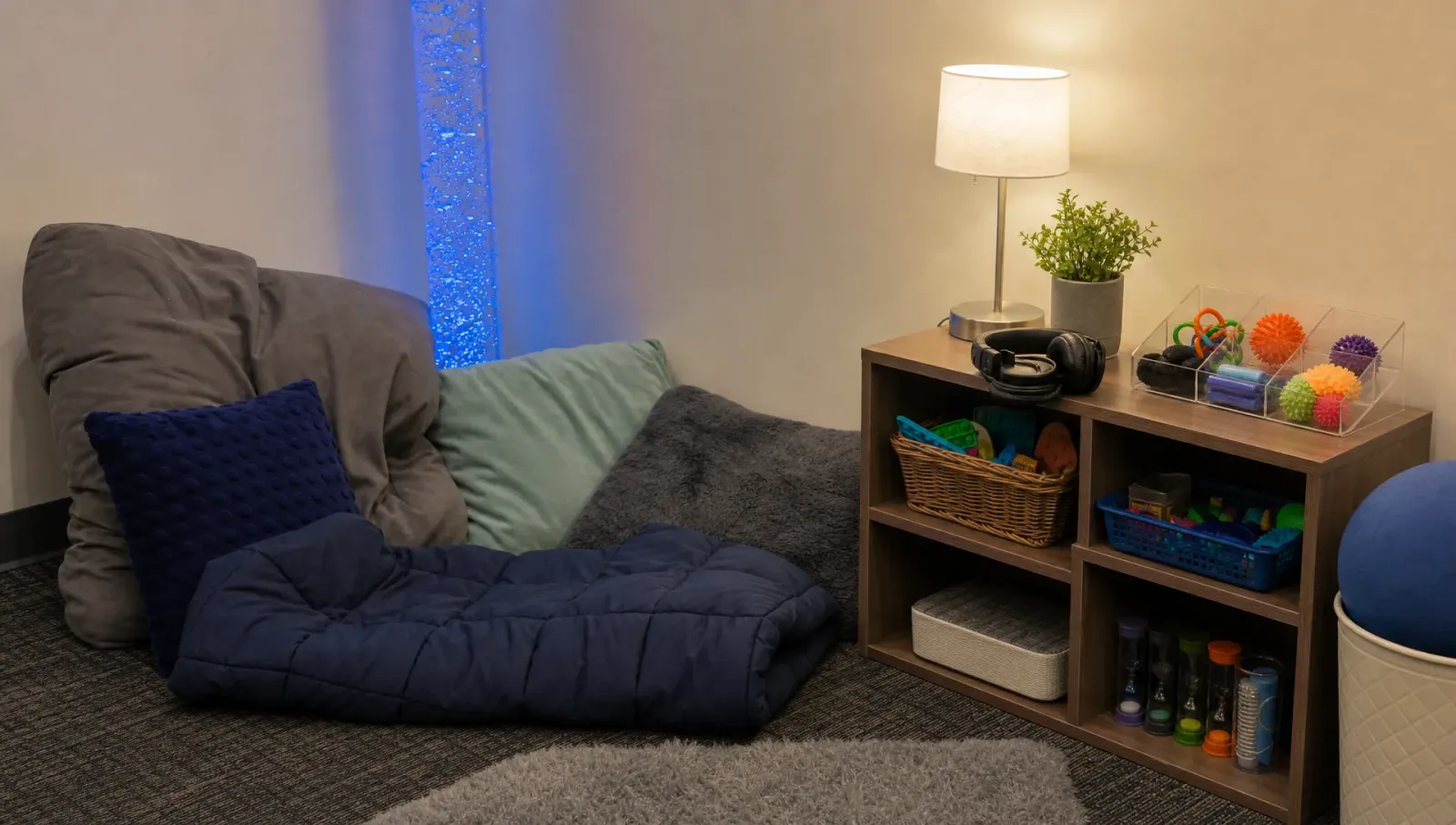
At home, predictable routines can make a major difference. Give warnings before transitions, use visual schedules, prepare your child for new places and allow recovery time after busy events. If your child struggles in school, collaborate with teachers on seating, movement breaks, quiet spaces and clear transition cues.
Current therapy trends are moving toward family-centered and neurodiversity-affirming support. This means therapy should respect the child’s sensory experience rather than forcing them to tolerate everything. Parent coaching, home programs, telehealth follow-ups and collaboration between therapists are also increasingly used to help skills transfer into real life.
The same planning mindset appears in other safety-based environments. For example, safety-focused technical diving and instructor training relies on rehearsed signals, controlled exposure and calm routines in a demanding sensory setting. Children also benefit when adults prepare cues, exits and recovery steps before stress rises.
For practical strategies between therapy sessions, Bridges Speech Center also shares guidance on sensory integration therapy at home for children with sensory challenges.
When to seek professional support
Parents should consider professional help when sensory reactions interfere with school, play, sleep, eating, grooming, family outings or friendships. Support is also important if meltdowns are intense, frequent or include self-injury, aggression or unsafe running away.
The right sensory overload treatment plan depends on the child. Occupational therapy may focus on sensory processing, regulation and daily living skills. Speech therapy may support communication, understanding instructions and expressing needs. Psychology or psychotherapy may help when anxiety, fear or emotional regulation difficulties are present. Feeding therapy may be needed when smell, taste or texture sensitivities affect nutrition.
If your child refuses many foods, gags easily or becomes distressed at meals, this sensory food aversion guide explains how food texture, smell and oral motor factors can affect eating.
At Bridges Speech Center in Dubai, families can access support across speech therapy, occupational therapy, sensory integration, feeding therapy, ABA and behavior therapy, physiotherapy, psychology and home care therapy services. Parent involvement is an important part of care because children make the best progress when strategies are used consistently at home, school and in the community.
What therapists may assess
A therapist will usually ask about your child’s development, medical history, communication, daily routines and specific triggers. They may observe play, movement, attention, feeding, transitions and responses to sensory input.
The assessment may also explore whether the child is over-responsive, under-responsive or actively seeking certain types of input. Some children show a mix. For example, a child may hate loud sounds but seek strong movement. Another may avoid messy textures but constantly chew objects for oral input.
Therapy recommendations should be practical. Parents need strategies that work during school mornings, car rides, haircuts, homework, meals and bedtime, not only in a clinic room.
Conclusion: calm support can change daily life
Children who become overwhelmed by sound, touch, movement, lights or food textures are not trying to make life difficult. They are showing adults that their nervous system needs help. By recognizing signs early, identifying triggers, creating predictable routines and seeking professional guidance when needed, families can reduce distress and build confidence.
If your child’s sensory reactions are affecting home, school or social life, Bridges Speech Center can help you understand what is happening and plan the next step. To speak with the team in Dubai, contact us today.