
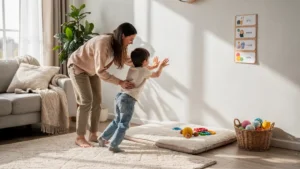
Sensory integration refers to the process by which the brain organizes and interprets information from the various senses (sight, sound, touch, taste, and smell). This process is essential for overall development and functioning.Bridges Speech Center offers the best sensory inegration therapy in Dubai Here are the detailed benefits of sensory integration:
Enhanced Perception and Understanding
- Improved Recognition and Differentiation: Sensory integration helps individuals identify and distinguish between different textures, sounds, and visual cues, facilitating better understanding and interaction with their environment.
- Enhanced Environmental Comprehension: By effectively processing sensory information, individuals can navigate and understand their surroundings more easily, improving their ability to respond to environmental changes.
Motor Skills Development
- Coordinated Motor Actions: Proper sensory integration allows for precise and coordinated movements, essential for tasks such as handwriting, tying shoelaces, and riding a bicycle.
- Improved Fine and Gross Motor Skills: Enhances both small (fine) and large (gross) motor skills, which are critical for daily activities and physical development.
Attention and Concentration
- Enhanced Focus: Efficient sensory processing helps individuals filter out irrelevant stimuli and concentrate on important tasks, which is crucial in both academic and everyday settings.
- Improved Academic Performance: By improving attention and concentration, sensory integration supports better learning outcomes and academic success.
Emotional Regulation
- Stress and Anxiety Management: Smooth processing of sensory inputs helps individuals manage their emotional responses, reducing anxiety and stress.
- Calming Effects: Techniques such as deep pressure touch can have a calming effect on the nervous system, aiding in emotional self-regulation.
Social Interaction and Communication
- Enhanced Recognition of Social Cues: Sensory integration improves the ability to read body language, facial expressions, and other social cues, which are vital for effective communication.
- Better Interpersonal Relationships: These skills contribute to more meaningful and successful social interactions, enhancing interpersonal relationships.
Cognitive Development
- Stimulated Brain Development: Processing sensory inputs effectively supports cognitive functions such as memory, problem-solving, and decision-making.
- Improved Synaptic Connections: Exposure to various sensory experiences promotes brain development and the formation of synaptic connections, enhancing cognitive abilities.
Adaptive Behavior
- Improved Adaptability: Strong sensory processing abilities help individuals adjust their behavior based on sensory cues, making it easier to handle transitions and new experiences.
- Ease of Handling Changes: Sensory integration supports flexibility and resilience in adapting to different environments and situations.
Learning Readiness
- Foundation for Effective Learning: Efficient sensory processing prepares children to engage in classroom activities, follow instructions, and absorb new information, laying the groundwork for successful learning experiences.
- Positive Learning Experience: Children with strong sensory integration skills are better equipped to benefit from educational opportunities, enhancing their overall learning readiness.
Self-Awareness and Body Image
- Improved Body Awareness: Sensory integration helps individuals understand their bodies and how they interact with their environment, promoting spatial awareness and coordination.
- Healthy Body Image: A better understanding of body movements and spatial relationships contributes to a positive body image.
Daily Functioning and Independence
- Enhanced Daily Functioning: Effective sensory processing supports the ability to perform everyday tasks, such as dressing, preparing meals, and navigating the environment.
- Greater Independence: Individuals with well-integrated sensory processing are more capable of participating actively in various aspects of life, leading to increased independence and quality of life.
Additional Support and Interventions
It's important to note that sensory integration varies from person to person, and some individuals may have sensory processing differences or challenges that require specialized support or interventions. Occupational therapists often work with individuals, particularly children, to address sensory integration concerns and help them develop these skills to their fullest potential.