
Inner Knee Pain: Causes, Symptoms and Treatment Options
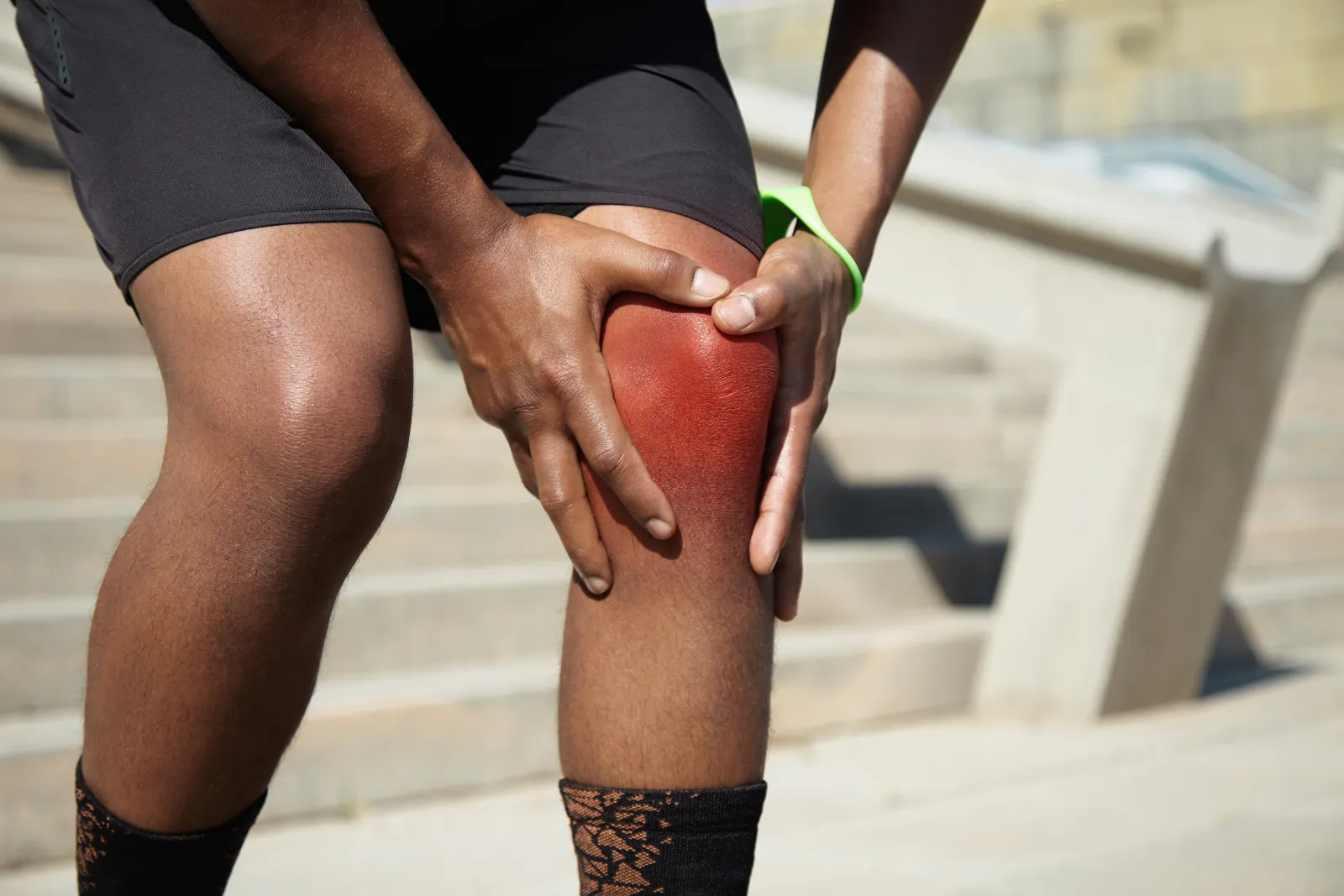
Inner knee pain can result from MCL injuries, meniscus tears, arthritis, bursitis or overuse. Learn about the causes, symptoms, treatment options and exercises that may help.
Inner knee pain, also called medial knee pain, is discomfort felt on the side of the knee closest to your other leg, usually coming from the MCL, the meniscus, or the soft tissue around the pes anserine bursa. It can feel sharp and sudden after a twist, dull and achy after a long walk, or stiff and swollen if arthritis has set into the joint. Bridges speech center, alongside its speech therapy services, works with clients dealing with exactly this kind of joint pain, so this guide covers what’s likely causing it, how to tell the causes apart, and what actually helps.
Symptom Pattern and Likely Cause
Pain description
When it happens
Likely cause
Pain description |
| Likely cause |
| Sharp pain after a twist or blow to the knee, feeling of giving way | Sports, sudden pivot, direct impact | MCL sprain or tear |
| Catching, locking, or clicking with delayed swelling | Twisting under load, or gradual onset in older adults | Meniscus tear |
| Dull, aching stiffness, worse in the morning and after activity | Long-term, worsens with age | Osteoarthritis of the medial compartment |
| Tender spot roughly two to three inches below the joint line on the inner shin | Climbing stairs, running, sitting cross-legged | Pes anserine bursitis |
| Gradual ache with no swelling or instability | After runs, cycling, or repetitive bending | Overuse or tendinopathy |
| Throbbing pain that flares at night | Often follows a day of heavy use | OA flare or bursitis irritation |
| Aching with tingling or numbness that travels down the leg | Not tied to knee movement specifically | Possibly referred pain from the hip or a pinched nerve |
What’s Actually Inside the Knee
The knee joint is where the femur, tibia and kneecap meet, divided into three compartments: medial (inner), lateral (outer) and patellofemoral (behind the kneecap). Inner knee pain usually points to the medial compartment, where the medial meniscus cushions the joint and the MCL runs along the outside of that compartment to stop the knee bending inward. Cartilage wear, ligament strain or bursa inflammation in this area is why pain concentrates on the inside rather than spreading across the whole joint.
The Main Causes, and How to Tell Them Apart
An MCL injury usually follows a direct hit or a twisting fall, common in football, padel and other pivot-heavy sports popular in Dubai. Mild sprains ache along the inner joint line; a full tear brings sharper pain and a sense the knee might buckle.
A meniscus tear can happen the same way, through a sudden twist, or build up slowly through degeneration in people over 40. The giveaway is mechanical: catching, locking, or a knee that doesn’t fully straighten, often with swelling appearing a day later.
Osteoarthritis tends to affect people over 50 and wears down cartilage on the medial side more than the lateral side in many cases. Expect gradual stiffness, dull pain that worsens through the day, and reduced range of motion rather than sudden sharp episodes.
Pes anserine bursitis is frequently confused with MCL or meniscus problems because it also sits on the inner knee. The difference is location and feel: tenderness sits a few centimetres below the joint line, there’s no instability, and it’s common in runners, people with tight hamstrings, and those managing diabetes or higher body weight.
Overuse injuries and tendinopathy build gradually from repetitive movement, common in cyclists and runners, and rarely come with swelling or locking.
Referred Pain: When It Isn’t the Knee at All
Not every ache on the inner knee starts in the knee. Hip joint problems and nerve irritation lower in the spine can send pain down the inner thigh and knee without any local swelling or tenderness on examination. If the knee itself looks and moves normally but the pain persists, it’s worth having the hip and lower back checked too.
Red Flags: See a Doctor Promptly
Get checked if pain lasts more than a few days in a row, if there’s significant swelling, bruising or warmth, if the knee feels unstable or gives way, or if you can’t put weight on it at all. Never force walking on a knee after a known injury just to “test it.”
Diagnosis
Most causes can be identified through a physical exam checking stability, joint line tenderness and range of motion. Imaging is added when the picture is unclear or surgery is being considered: X-rays for suspected arthritis, MRI for meniscus tears or ligament damage that isn’t obvious clinically.
Treatment Options
For mild sprains, bursitis or early OA flares, rest, ice for 10 to 15 minutes at a time, compression, and over-the-counter anti-inflammatories usually settle things within days, though anyone with stomach, kidney or heart conditions should check with a pharmacist or doctor before regular NSAID use. A hinged knee brace supports moderate MCL sprains during healing. Beyond that, Orthopedic physiotherapy combining manual therapy, targeted strengthening and gait correction is typically the first serious line of treatment, and it’s the approach used in physiotherapy treatment in Dubai clinics for exactly these presentations, including at Bridges speech center. For persistent arthritis pain, corticosteroid or hyaluronic acid injections may be considered, and PRP is a growing option some clinics offer, though evidence for it is still developing. Surgery is reserved for cases that don’t respond: arthroscopic meniscus repair or trimming, MCL reconstruction for complete tears, and partial or total knee replacement for advanced medial-compartment osteoarthritis.
Recovery varies widely. A mild MCL sprain often improves in two to four weeks, a moderate tear can take six to eight, and reconstructed ligaments need months of structured rehab. Meniscus surgery recovery is typically faster with minimally invasive trimming than with repair, which needs longer protected healing to let the tissue mend.
Exercises Worth Doing
- Quad sets: tighten the thigh muscle with the leg straight, hold, release.
- Straight leg raises: build quad strength without bending the knee.
- Clamshells: strengthen hip muscles that stabilise the knee.
- Mini-squats: build tolerance to load gradually.
- Hamstring curls: balance strength around the joint.
These overlap with what a physiotherapist would start with in a first session, but a proper diagnosis first prevents doing the wrong exercise for the wrong problem, such as loading a torn meniscus too early.
Common Mistakes People Make
- Ignoring a locking or catching sensation, assuming it will pass on its own
- Returning to sport before an MCL sprain has properly healed
- Diagnosing based on internet symptoms alone rather than a physical exam
- Stopping rehab once swelling goes down, before strength returns
- Wearing a brace long-term instead of rebuilding strength around the joint
If the pain has lasted more than a few days, changes with specific movements, or comes with swelling or a sense of instability, it’s worth getting it examined rather than guessing. Book an assessment so the actual structure involved gets identified early, when treatment is simplest.