
Dyspraxia in Children: Signs of Poor Motor Coordination
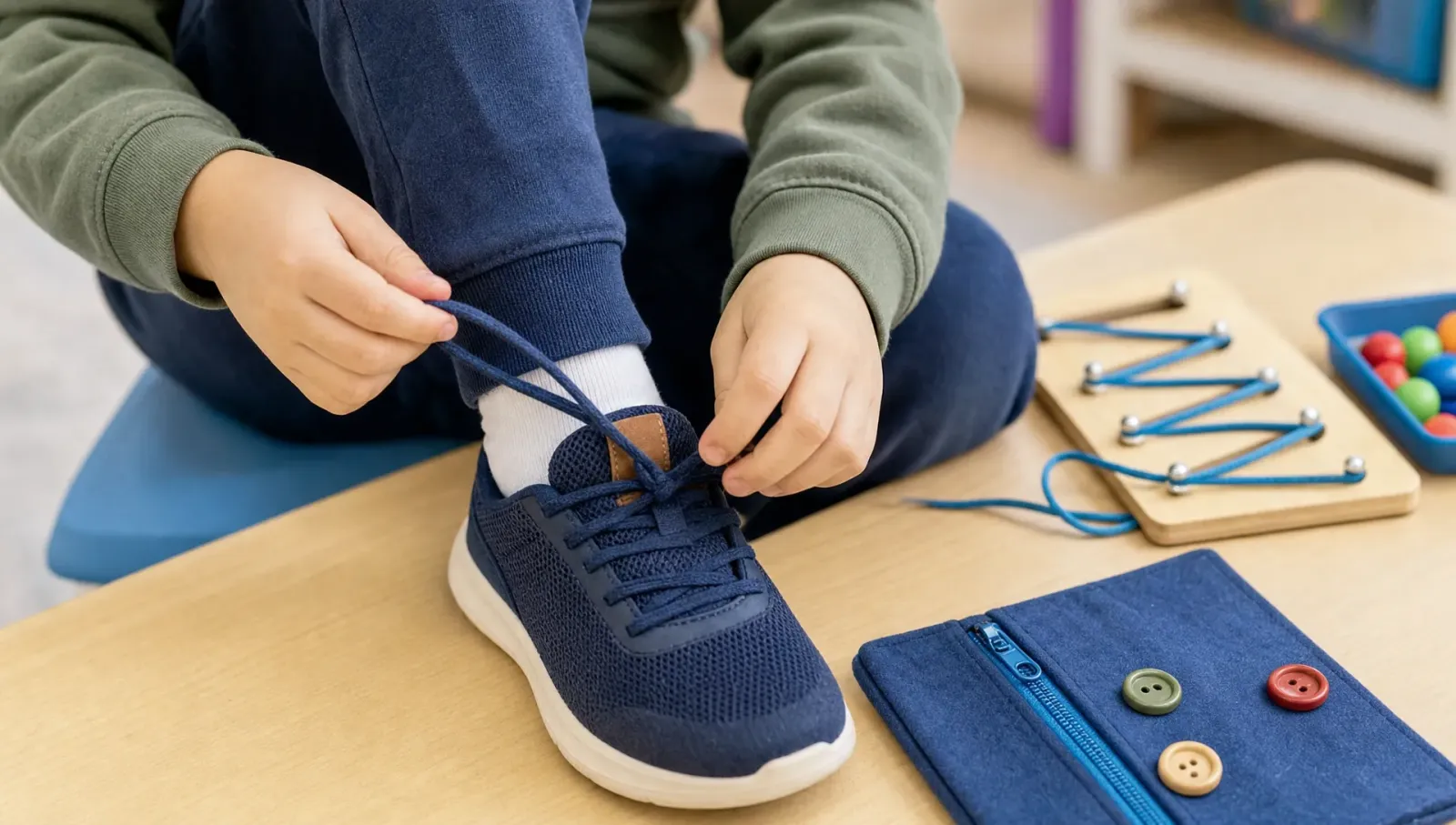
Understand the common signs of dyspraxia in children, how poor motor coordination can affect daily activities, and when professional assessment and therapy may help.
A child who trips often, avoids playground games or struggles with buttons may not be lazy or careless. They may be having trouble planning and coordinating movement. Dyspraxia in Children can affect everyday tasks that other children seem to learn naturally, from using cutlery to writing neatly or joining sports with confidence.
For parents, the challenge is knowing when clumsiness is part of normal development and when it needs professional support. The good news is that early help can make daily routines easier and reduce frustration at home and school. At Bridges Speech Center, families in Dubai can access multidisciplinary support for communication, motor skills and child development needs in a safe and encouraging setting.
What Is Dyspraxia in Children?
If you are asking what is dyspraxia, it helps to think of it as a motor planning difficulty. A child may know what they want to do, but their brain and body struggle to organize the steps smoothly. Dyspraxia is often linked with Developmental Coordination Disorder (DCD), a condition that affects coordination and functional movement.
According to CanChild, DCD can affect a child’s participation in school, play and self-care. It is not caused by low intelligence. Many children with dyspraxia are bright and creative, but they may need more practice, structure and therapy to master physical tasks.
Understanding Dyspraxia in Children matters because poor motor coordination can affect more than movement. It may influence handwriting, speech clarity, feeding, dressing, attention, confidence and social participation.
Common Dyspraxia Symptoms in Children
Dyspraxia symptoms in children can look different depending on age, personality and the demands placed on the child. Some children show mainly gross motor challenges, while others struggle more with fine motor skills, speech motor planning or daily living tasks.
| Area of development | Possible signs parents may notice | Everyday impact |
| Gross motor skills | Frequent falling, poor balance, difficulty jumping or catching a ball | Avoiding sports, playground activities or PE lessons |
| Fine motor skills | Trouble with pencils, scissors, buttons or zippers | Slow handwriting, messy coloring or frustration with school tasks |
| Motor planning | Difficulty learning new movement sequences | Struggling with cycling, swimming, dancing or multi-step games |
| Self-care | Messy eating, difficulty using cutlery or dressing independently | Needing more help than peers during daily routines |
| Speech and oral movement | Unclear speech, difficulty sequencing sounds or oral motor weakness in some children | Reduced speech clarity or feeding challenges |
| Emotional response | Avoidance, anger, anxiety or low confidence | Refusing tasks that feel too difficult |
Everyday Dyspraxia Examples Parents May Notice
Helpful dyspraxia examples often appear during ordinary family routines. A preschooler may spill drinks frequently, bump into furniture or avoid climbing equipment. A school-age child may write slowly, press too hard on the pencil or become upset when asked to copy from the board.
Some children struggle with games that require timing, balance and coordination. Others find dressing hard because their fingers cannot manage buttons or shoelaces smoothly. If handwriting is a main concern, Bridges Speech Center also shares practical ideas for fine motor activities for kids that can support strength and control through short daily routines.
Parents may also notice that their child performs better in familiar tasks but becomes disorganized when a task changes. For example, a child may climb stairs at home but freeze on a new playground ladder. These dyspraxia examples show how motor planning depends on practice, body awareness and confidence.
For a broader look at typical movement progress, this guide on motor skills development can help parents compare milestones without jumping to conclusions.
When to Seek a Dyspraxia Assessment
A dyspraxia assessment is worth considering when coordination difficulties affect daily life, learning or emotional well-being. Parents should not wait for a child to fail repeatedly before seeking support. Early intervention can prevent secondary problems such as low self-esteem, school avoidance or social withdrawal.
A professional assessment may include observation of posture, balance, muscle tone, hand skills, visual motor integration, daily living abilities and sensory processing. The therapist may also ask about birth history, medical concerns, school performance and family routines.
A full dyspraxia assessment may involve occupational therapy, physiotherapy, speech and language therapy or psychology depending on the child’s profile. A speech pathologist may be included if there are speech sequencing, feeding or language concerns. Families looking for speech therapy Dubai support can benefit from a team approach when motor and communication needs overlap.
It is also important to rule out other causes of poor coordination, such as vision problems, neurological disorders, muscle weakness or cerebral palsy. A clear assessment helps families understand whether the concern is dyspraxia, another developmental condition or a combination of needs.
Practical Tips to Support Motor Coordination at Home
Children with motor planning challenges improve best when practice feels safe, playful and achievable. Home support does not need to be complicated. The goal is to help your child repeat useful movements without pressure or criticism.
Try these practical strategies:
- Break tasks into small steps and teach one step at a time.
- Use visual cues such as pictures, floor markers or demonstrations.
- Practice daily routines at the same time each day to build predictability.
- Choose success first, then gradually increase difficulty.
- Praise effort, problem-solving and persistence rather than speed.
- Allow extra time for dressing, writing and eating so the child does not feel rushed.
For balance and body awareness, activities such as animal walks, stepping stones, obstacle courses and ball games can be helpful. Children who need guided support may benefit from a structured balance and coordination exercise program led by trained therapists.
Hand-eye coordination can also be strengthened through throwing beanbags, building blocks, threading beads or tracing shapes. This article on hand and eye coordination explains why visual motor skills are so important for play, writing and daily independence.
Therapy for Dyspraxia in Children: What Helps?
Therapy for Dyspraxia in Children is usually goal based. Instead of practicing random exercises, therapists focus on skills that matter to the child and family. This may include climbing stairs safely, improving pencil control, joining playground games, dressing independently or speaking more clearly.
Occupational therapy often supports fine motor skills, sensory regulation, handwriting, dressing and self-care. Physiotherapy may focus on posture, strength, balance, gait and gross motor coordination. Speech therapy can help when oral motor planning, articulation, feeding or language development is affected.
The latest trends in pediatric therapy focus on family coaching, play based practice and real-life routines. Telehealth check-ins and home care therapy can also help families carry strategies into daily life when appropriate. Parent involvement is especially important because children need repeated practice across home, school and community settings.
For some children, dyspraxia overlaps with ADHD, autism, learning difficulties or sensory processing challenges. In these cases, a coordinated therapy plan may include occupational therapy, behavior therapy, psychology or school support. The aim is not only better movement, but better participation and confidence.
How Dyspraxia Can Affect Speech, Feeding and Learning
Dyspraxia is most often discussed as a movement coordination difficulty, but some children also have challenges with speech motor planning. They may struggle to sequence mouth movements for clear sounds or words. This is different from simply not knowing vocabulary.
Feeding may also be affected if oral motor coordination is weak. A child might gag on textures, take too long to chew or have trouble moving food safely in the mouth. Not every child with dyspraxia has speech or feeding difficulties, but these areas should be considered when parents describe concerns.
Learning can be affected when motor demands get in the way. A child may understand the lesson but cannot write quickly enough to show what they know. They may avoid art, PE or group games because these tasks highlight coordination challenges. Recognizing dyspraxia symptoms in children early helps adults offer support instead of assuming the child is careless or unmotivated.
Conclusion
Dyspraxia in Children can affect balance, handwriting, dressing, feeding, speech and participation in everyday activities. The signs may look like clumsiness at first, but ongoing poor motor coordination deserves attention when it affects learning, independence or confidence.
Parents do not need to wait until a child falls behind. A professional evaluation can identify strengths, challenges and the right therapy pathway. With early support, practical home routines and a compassionate therapy team, children can build skills step by step.
If you are concerned about poor motor coordination, speech clarity, feeding or daily living skills, Bridges Speech Center can help your family understand the next step. To book an appointment or ask about services in Dubai, please contact us.