
What Are the Red Flags That Sensory Difficulties Are Affecting My Child's Daily Development?
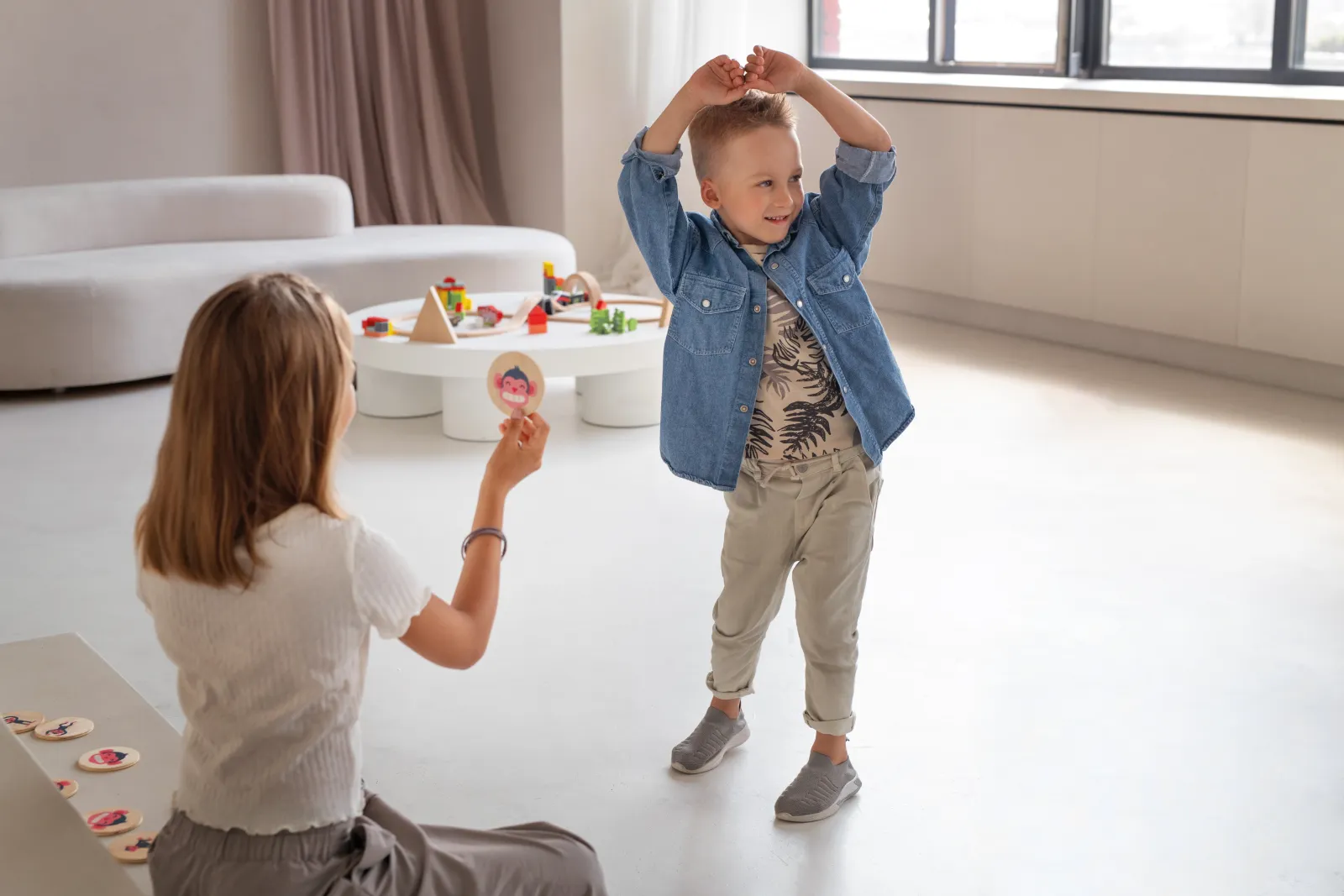
Does your child struggle with certain textures, loud sounds, clothing or everyday activities? Learn to recognise the red flags of sensory difficulties, understand how sensory differences affect daily development and discover how occupational therapy can help children manage everyday experiences with greater comfort and confidence.
Spotting Sensory Red Flags in Daily Life
If getting dressed in the morning or walking into a noisy supermarket turns into a full-blown meltdown every single day, it is usually more than just a phase. Sensory differences turn into red flags when they constantly get in the way of eating, sleeping, learning, or just enjoying everyday family life. When daily routines feel like an uphill battle, getting a pediatric occupational therapy assessment is a great next step.
Look, we all have sensory quirks. Maybe you cannot stand the feeling of velvet, or your child hates getting sticky hands from birthday cake. That is totally normal! Our bodies take in the world around us through eight senses. Most of us know the classic five (touch, taste, sight, hearing, smell), but there are three quiet ones working behind the scenes too. There is balance (vestibular), body awareness (proprioception), and internal signals like hunger or needing the bathroom (interoception).
For most kids, their brains filter all this noise out without them even thinking about it. But for some, the filter is a bit scrambled. A light seam on a sock can feel like scratchy sandpaper to a child who is over-sensitive. Or an echoey hallway sounds like thunder. Other kids are under-responsive, meaning they hardly feel bumps or bruises, so they crash into couches and people just to feel where their body ends in space. It is a lot to handle.
Take four-year-old Leo (just an illustrative example). Every morning he tears because the waistband of his shorts feels wrong, he gags if a meal is not crunchy crackers, and grocery trips end in panic because of the bright overhead lights. Or think of a six-year-old who chews their collar until it is soaking wet and presses so hard with their pencil that the lead snaps every five minutes. In both situations, their sensory systems are making daily life genuinely hard.
What do we look out for when a child comes in for an assessment?
- Big distress over everyday touch (hair washing, fingernail cutting, tags on shirts, or sticky glue).
- Meltdowns from ordinary background noise like blenders, hand dryers, or school cafeterias.
- Seeming numb to pain, or not noticing when their face is covered in food.
- Constant spinning, jumping, rough play, or chewing on sleeves long after the toddler years.
- Extreme mealtime struggles, like refusing entire texture groups or eating fewer than ten foods.
- Bumping into doorframes, tripping often, or having trouble judging hand pressure.
What can you do at home while you wait for support? Start a quick sensory diary for a week. Jot down what happened right before a meltdown was the room bright, loud, or crowded? Set up a cosy, quiet corner with soft cushions or a heavy blanket where your child can recharge. You can also try heavy work, which is just everyday physical tasks like having them push a laundry basket or carry a small bag of groceries. That kind of deep muscle input helps calm an overloaded nervous system.
Living in Dubai brings its own unique sensory puzzle, honestly. During the long, scorching summer months, families spend almost all their time inside. Big shopping malls, indoor play zones, and air-conditioned spaces are full of fluorescent lighting, echoey tiled floors, and constant background hums. For a sensory-sensitive kid, that constant buzz is exhausting. Add large school campuses into the mix, and their nervous system is working overtime just to stay calm.
Here is a quick way to think about typical quirks versus red flags:
| Touch | It is typical to dislike an itchy wool sweater. It is a red flag if sock seams or hair washing cause forty-minute screaming episodes every time. |
| Sound | Covering ears during fireworks is normal. Panicking and running away from ordinary classroom noise is a sign they need help. |
| Movement | Being cautious on a high slide is natural. Being terrified when feet barely leave the floor—or jumping recklessly off tall tables with zero fear is a red flag. |
| Eating | Being picky about broccoli is classic childhood. Gagging at the sight of mixed textures or eating only smooth purees past toddlerhood needs attention. |
If you are unsure whether your child's communication or sensory reactions are developing as expected, an assessment can help identify strengths and areas that may need support.
Nutan Dhamale
B.O.TH
Head of Occupational Therapy Dept.
I am Nutan, Head of the Occupational Therapy Department at Bridges Speech Center. I hold a Bachelor’s degree in Occupational Therapy from Seth G.S. Medical College and KEM Hospital in India, and I have more than 10 years of experience working with children.
I enjoy helping children become more comfortable and confident in the activities that fill their day—playing, getting dressed, eating, writing, and joining in at school. I take time to understand each child’s strengths and challenges, then work with parents and educators on practical strategies they can use beyond the therapy room.
My work includes supporting children with autism, ADHD, developmental delays, learning difficulties, and sensory processing challenges. I have training in sensory integration, reflex integration, Handwriting Without Tears, feeding difficulties, and neurodevelopmental therapy. I use individual goals and play-based activities to help each child build skills at their own pace.
If your child is finding everyday activities, sensory experiences, handwriting, or feeding difficult, an occupational therapy assessment can help identify their strengths and the support they need.
To schedule a consultation, contact Bridges Speech Center LLC:
04 358 1115 | 050 522 6054
References
- American Occupational Therapy Association. (2020). Occupational therapy practice framework: Domain and process—Fourth edition. American Journal of Occupational Therapy, 74(Supplement 2), 7412410010. https://doi.org/10.5014/ajot.2020.74S2001
- American Occupational Therapy Association. (n.d.-a). Early intervention. https://www.aota.org/practice/practice-settings/schools-early-intervention-community-education/early-intervention
- American Occupational Therapy Association. (n.d.-b). Practice guidelines and evidence-based clinical resources. https://www.aota.org/practice/practice-essentials/evidencebased-practiceknowledge-translation/practice-guidelines
- American Occupational Therapy Association. (n.d.-c). School-based settings. https://www.aota.org/practice/practice-settings/schools-early-intervention-community-education/schools
- Royal College of Occupational Therapists. (n.d.). Occupational therapy for children and young people. https://www.rcot.co.uk/explore-resources/children-young-people-families/OT-children-and-young-people