Can a Non-Verbal Child Start to Talk? What Speech Therapists Look For
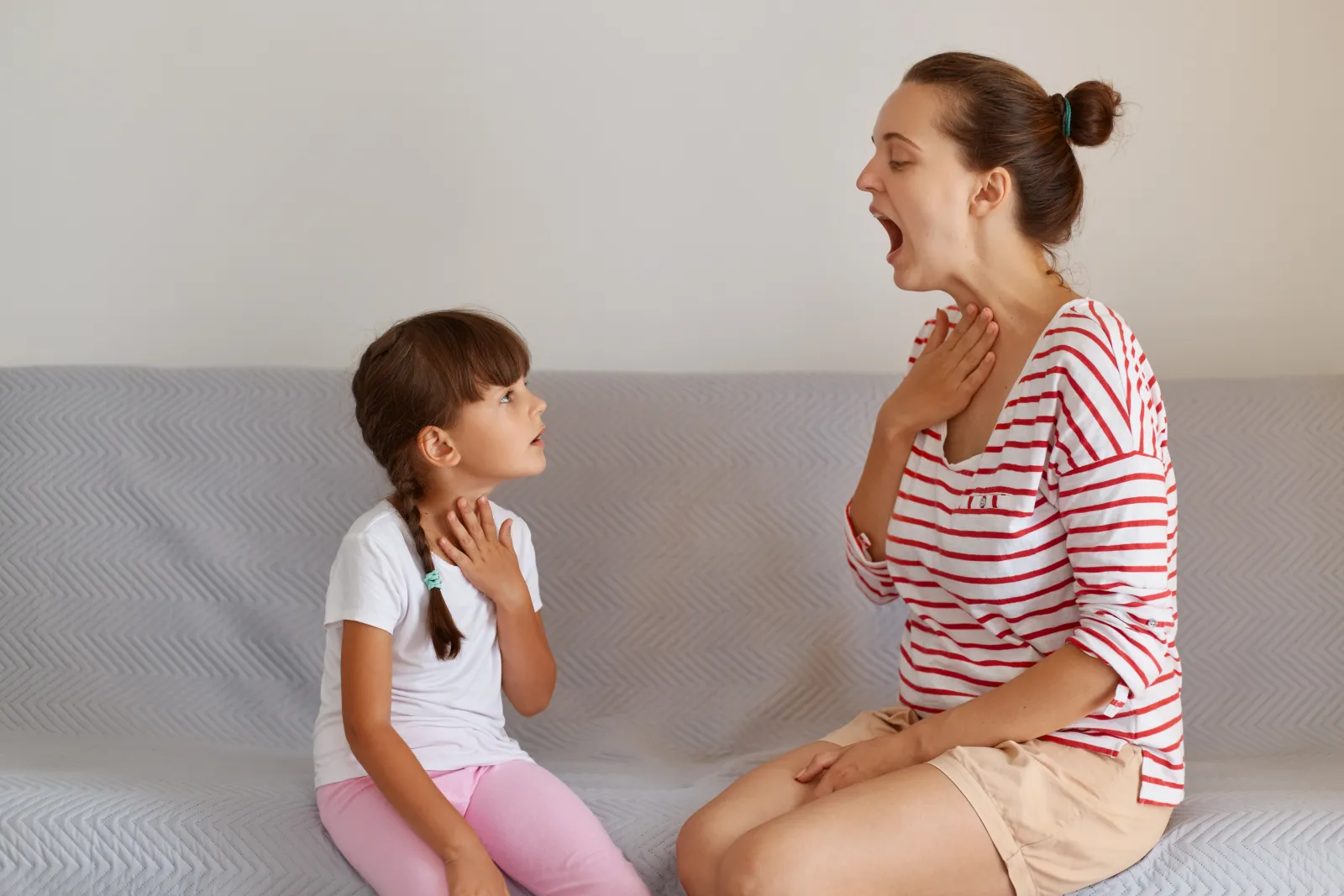
Can a non-verbal child start to talk? Learn how speech therapists assess early communication skills, recognise pre-language milestones, and support toddlers in developing speech and alternative communication skills.
My toddler is not talking yet. Will they ever learn to speak words, or will they stay non-verbal?
If your toddler isn't talking yet, I know how heavy that worry can feel. You wonder if words will ever come.
Here is the honest truth: lots of little ones who start off non-verbal do go on to speak. Others find their voice through signs, picture boards, or handy speech apps. There are no magic crystal balls in therapy (anyone who promises you an exact date is not being straight with you), but getting help early makes a massive, world-of-difference kind of change.
Talking and communicating are not the same thing
Speech is just the physical work your mouth does to push out words. But communication? Communication is everything else! It is your toddler catching your eye across the rug. It is pointing at the ceiling fan, tugging your sleeve, giggling when you blow a raspberry, or nodding when they want milk.
Words almost never arrive out of nowhere, they grow on top of those tiny back-and-forth moments. Think of it like building a tower of blocks. You cannot put the roof on until the base is nice and steady.
Say a 22-month-old really wants the bubble bottle up on the high shelf (illustrative example). Before getting any help, they might just scream on the floor or yank Mum's hand without even looking up. But once we work together on the basics, that child learns to look at Mum, point up high, and open their hand. Then maybe a little "ba!" sound pops out. The actual word "bubble" comes later, once all those early stepping stones feel easy and fun.
what do we actually watch for during an assessment?
- Are they sharing the moment with you? (Like looking at a cool toy, then looking at you to see if you see it too.)
- Do they understand simple everyday words and house routines, even without words? - Can they copy little silly actions, like clapping or rolling a car across the floor?
- Are they trying to tell you things, using gestures, reaching, or little noises? - How do they play with toys?
- And has someone checked their hearing recently? That one is so easy to overlook, but tiny fluid build-ups make a big difference.
A few small things you can try at home right now: Get right down on the rug on your tummy, so your face is on thier level. Follow what they like! If they are obsessed with spinning wheels, sit and spin wheels too. And please, leave big quiet spaces, count to eight in your head before jumping in, give them a chance to try. Keep your talk short and sweet ("big ball!", "car go!"), and use your hands a lot when you speak.
Pre-Language Foundations vs. Spoken Words
| Developmental skill | What It should Looks Like | Why It Matters for Speech |
| Joint Attention | Looking at a toy, then looking at you with a smile to engage with you | Shows the child understands communication is a shared two-person activity where he is looking for engagement with people around him/her |
| Motor Imitation | Copying after you banging on a drum or waving goodbye | Copy speech movements and mouth shapes ( imitate speech motor plan )to produce words |
| Receptive Understanding | Stopping an activity when you say 'no' or fetching brush when asked | Children understand words before they can use them meaningfully |
| Functional Gestures | Pointing to a dog, nodding, or lift up his /her hands so that they will be held by an adult | Predicts initiation of first spoken words |
| Vocal Play | Babbling strings of syllables like 'ba-ba-ma-ma' with variation in pitch | Develops oral motor control and vocal coordination that is required for true words |
When should you reach out for an assessment? Every child runs on their own clock, sure. But if your little one does not turn to their name by 12 months, does not point or wave by 14 months, or does not seem to understand simple phrases by 18 months, getting an evaluation is a really sensible next step. Same goes if they seem terribly frustrated or if they had sounds that suddenly slipped away.
Rupali Ranjith
MASLP, BCaBA, QASP-S
Director- of Bridges Speech Center, Bridges Care, and Bridges Synergy Pro
I am Rupali Ranjith, Consultant Speech and Language Therapist, Assistant Behaviour Analyst, Qualified Autism Specialist, as well as Medical Director of Bridges Speech Center, Bridges Care, and Bridges Synergy Pro. I hold a master’s degree in Speech and Hearing and more than 20 years of experience across India and the UAE. I have supported clients of all ages. Along with speech and Language Pathology, I hold BCaBA and QASP-S credentials. I am trained in evidence-based approaches, including PROMPT, DTTC, ReST, AVT, PECS, AVAZ, Gestalt Language Processing, Orofacial Myofunctional Therapy, Oral Placement Therapy, Reflex Integration, Sensory Integration, and the Hanen Program.
If you are really concerned about your child’s communication development, an assessment can help identify their strengths, underlying challenges, and appropriate next steps.
To schedule a speech and language consultation, contact Bridges Speech Center LLC: 04 358 1115 | 050 522 6054