Is Poor Handwriting Always a Sign of Dyslexia? Difference Between Dyslexia and Dysgraphia
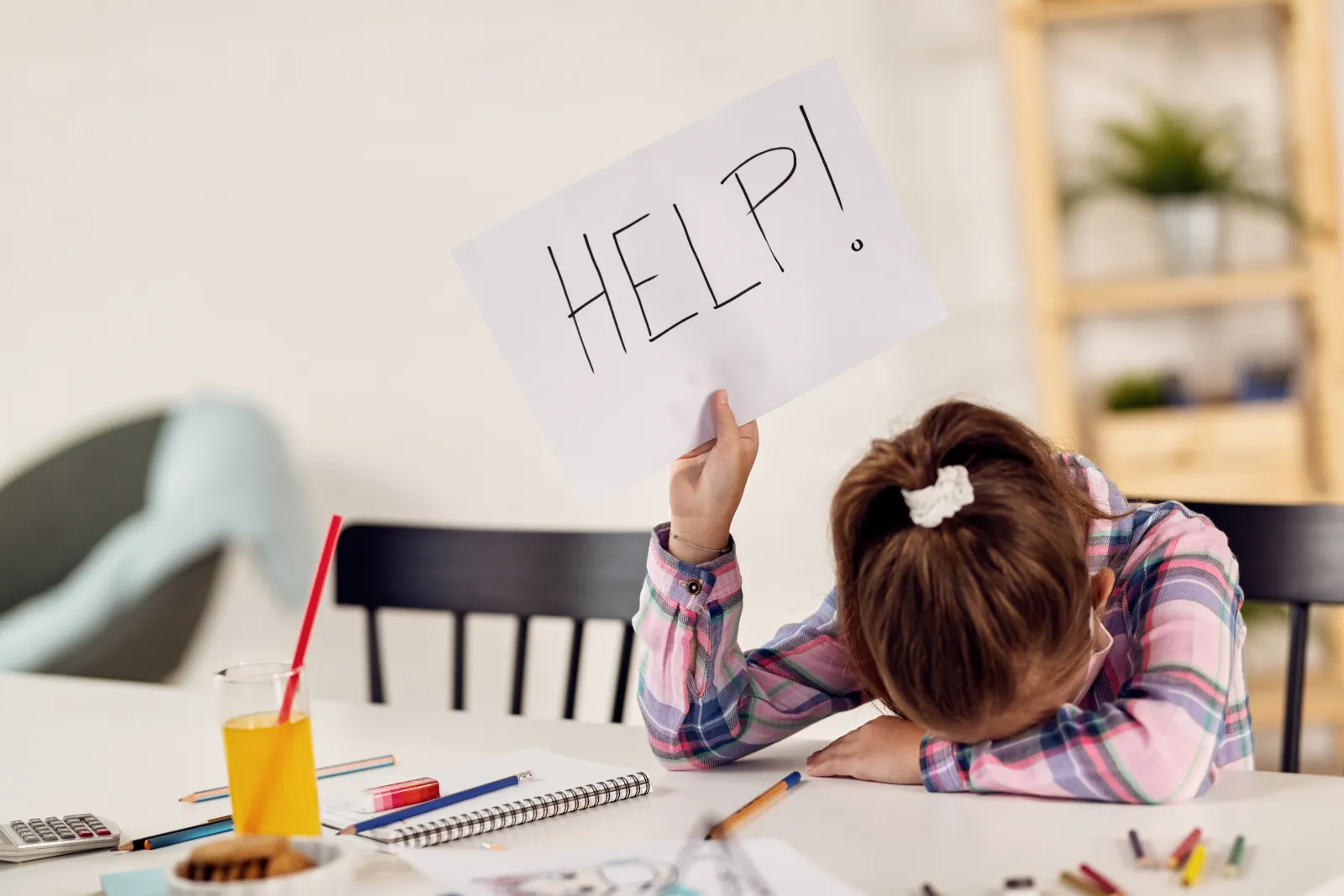
Is your child struggling with handwriting? Learn how dyslexia and dysgraphia differ, recognise common signs, and understand how occupational therapy and literacy support can help children overcome writing difficulties.
Every week, a parent sits across from me looking totally worn out, holding a crumpled sheet of schoolwork. "Look at this," they'll say. "It takes him an hour just to write three messy lines. Is this dyslexia?"
Here is the honest answer right away: messy writing by itself does not mean your child has dyslexia. Dyslexia is mostly about reading and spelling sounds, while dysgraphia is the tricky thing that messes with the actual physical act of writing letters down. And sometimes, it is neither of those, it's just tired little hands or weak finger muscles.
Think about what we ask a child to do when they write. It looks so simple to us adults, but to a little brain, it is like juggling while riding a bicycle. You have to remember what letter makes what sound, hold that slippery pencil just right, keep your wrist steady, balance your whole upper body in a chair, and somehow put your bright ideas into neat little rows from left to right (or right to left if they are writing in Arabic here in Dubai!). That is a lot.
Dyslexia vs Dysgraphia:
When a child has dyslexia, their biggest wall is connecting spoken sounds to letters on the page. Their spelling might be all over the place, which makes their notebook look messy, but their hand might hold the pencil perfectly fine.
Dysgraphia is quite different. With dysgraphia, the brain and the writing hand just don't talk smoothly to each other. You will see a child with gorgeous, clever ideas who can talk your ear off about space or dinosaurs for twenty minutes straight. But hand them a pencil? Pure tears. Their hand cramps up, letters end up floating off the line like loose balloons, some letters are huge while others are tiny, and spacing between words just disappears. It is deeply exhausting for them, honestly.
Let me paint a quick picture of two children we might see in an ordinary classroom:
Child A tells brilliant, creative stories out loud. But when he sits down to write just two sentences, his hand aches after a minute. The letters look totally jumbled and drift off the lines, yet he reads his storybooks at home with zero trouble. That looks very much like dysgraphia or fine motor strain.
Child B can draw lovely neat shapes and prints individual letters with great care. But when writing a full sentence, she flips letters backwards, leaves out vowels, or writes 'felt' instead of 'left'. She also finds reading out loud quite tough. That points much more towards dyslexia.
So what can you do at home while you sort things out?
First, take the pressure off. Let them talk their ideas out loud to you or use a speech-to-text tool on your phone for creative homework. Separating the thinking part from the physical writing part works wonders for their confidence, it really does.
Second, try simple comfort tools. A chunky triangular pencil grip, a slightly thicker pen, or propping their page up on an angled binder (a writing slope) can take huge strain off tiny wrist joints.
Third, keep a little record. Snap a couple quick photos of how they grip their pencil, how they sit in their chair, and their handwriting on good days and bad days. And talk to their teacher to see if they run out of time during class quizzes too.
Here in Dubai, kids often switch back and forth between English and Arabic or study across big curricula like British, IB, or American systems. That puts extra demands on little hands! Under KHDA inclusive education rules, schools can give practical accommodations like extra time or laptop use once you have proper clinical documentation.
If your child is constantly complaining of sore hands, melts down over simple worksheets, or falls way behind on short writing tasks, an assessment can help uncover what is really going on. That way, you know whether to focus on fine motor occupational therapy, speech and language literacy support, or just simple classroom adjustments.
Nutan Dhamale
B.O.TH
Head of Occupational Therapy Dept.
I am Nutan, Head of the Occupational Therapy Department at Bridges Speech Center. I hold a Bachelor’s degree in Occupational Therapy from Seth G.S. Medical College and KEM Hospital in India, and I have more than 10 years of experience working with children.
I enjoy helping children become more comfortable and confident in the activities that fill their day playing, getting dressed, eating, writing, and joining in at school. I take time to understand each child’s strengths and challenges, then work with parents and educators on practical strategies they can use beyond the therapy room.
My work includes supporting children with autism, ADHD, developmental delays, learning difficulties, and sensory processing challenges. I have training in sensory integration, reflex integration, Handwriting Without Tears, feeding difficulties, and neurodevelopmental therapy. I use individual goals and play-based activities to help each child build skills at their own pace.
If your child is finding everyday activities, sensory experiences, handwriting, or feeding difficult, an occupational therapy assessment can help identify their strengths and the support they need.
To schedule a consultation, contact Bridges Speech Center LLC:
04 358 1115 | 050 522 6054
References
- American Occupational Therapy Association. (2020). Occupational therapy practice framework: Domain and process—Fourth edition. American Journal of Occupational Therapy, 74(Supplement 2), 7412410010. https://doi.org/10.5014/ajot.2020.74S2001
- American Occupational Therapy Association. (n.d.-a). Early intervention. https://www.aota.org/practice/practice-settings/schools-early-intervention-community-education/early-intervention
- American Occupational Therapy Association. (n.d.-b). Practice guidelines and evidence-based clinical resources. https://www.aota.org/practice/practice-essentials/evidencebased-practiceknowledge-translation/practice-guidelines
- American Occupational Therapy Association. (n.d.-c). School-based settings. https://www.aota.org/practice/practice-settings/schools-early-intervention-community-education/schools
- Royal College of Occupational Therapists. (n.d.). Occupational therapy for children and young people. https://www.rcot.co.uk/explore-resources/children-young-people-families/OT-children-and-young-people