
Signs of Anxiety in Children: Early Warning Signs Parents Should Know
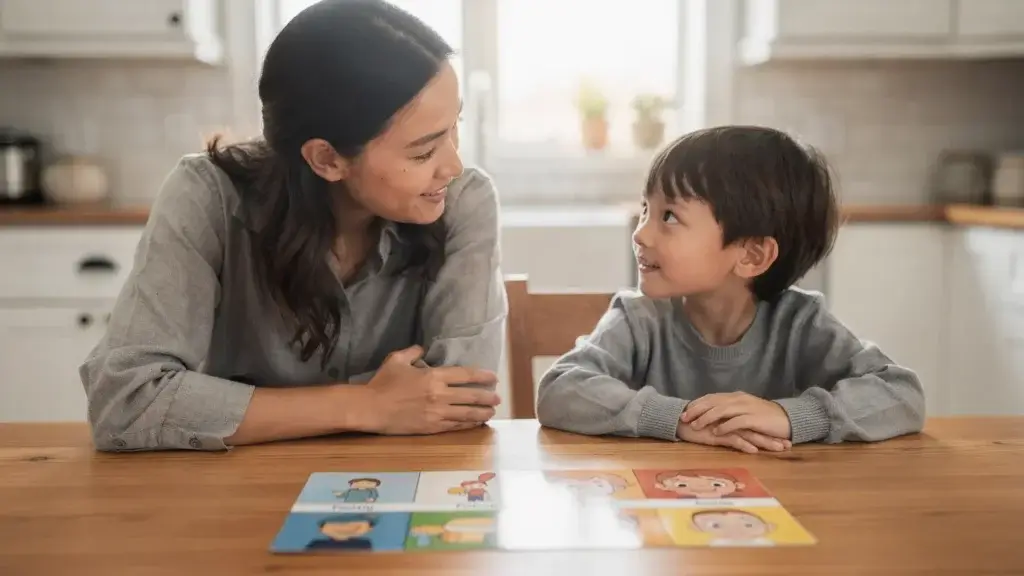
Children do not always say, “I feel anxious.” Instead, anxiety may appear as stomach aches, sleep trouble, irritability, clinginess, school refusal or sudden…
Children do not always say, “I feel anxious.” Instead, anxiety may appear as stomach aches, sleep trouble, irritability, clinginess, school refusal or sudden emotional outbursts. Recognizing the Signs of Anxiety in Children early can help parents respond with understanding rather than frustration.
Anxiety in children is common and treatable. A child may worry about separation, school performance, friendships, health, mistakes or unfamiliar situations. When anxiety begins to interfere with play, learning, sleep, communication or family routines, professional support can make a meaningful difference.
At Bridges Speech Center, families in Dubai can access psychological support alongside developmental services such as speech therapy, occupational therapy and parent guidance when anxiety overlaps with communication or sensory needs.
Why Early Recognition Matters
The Signs of Anxiety in Children can be easy to miss because many anxious behaviors look like defiance, shyness or attention-seeking. A child who refuses school may be trying to escape a feared situation. A child who melts down before a birthday party may be overwhelmed by social pressure. A child who asks the same question repeatedly may be seeking reassurance.
Early recognition helps parents avoid two common patterns: forcing the child too quickly or allowing complete avoidance. Both can increase distress. A balanced approach combines empathy, structure and gradual skill-building.
Signs of Anxiety in Children by Area of Life
The Signs of Anxiety in Children often show up across the body, emotions, thinking and behavior. Parents can look for patterns rather than one isolated moment.
Area | Early warning signs | What parents may notice |
Body | Headaches, stomach aches, nausea, tiredness, tense muscles | Symptoms often appear before school or social events |
Emotions | Crying, irritability, anger, fearfulness, sudden mood changes | Small changes feel “too big” for the child |
Thinking | “What if” questions, fear of mistakes, needing reassurance | The child asks the same question many times |
Behavior | Avoidance, clinginess, refusal, freezing, tantrums | The child escapes tasks or situations |
Sleep | Trouble falling asleep, nightmares, needing a parent nearby | Bedtime becomes stressful or prolonged |
Communication | Quietness, speaking less, stuttering more, refusing to answer | Anxiety affects confidence and expression |
Common Physical Signs
Anxiety in children often begins in the body. A child may complain of stomach pain before school, feel dizzy during tests or say their chest feels tight. These symptoms are real. They happen because the nervous system prepares for danger even when there is no immediate threat.
If physical symptoms are persistent, new or severe, parents should consult a pediatrician. When medical causes are ruled out, a Child psychologist can help identify whether anxiety is contributing.
Emotional and Behavioral Warning Signs
Some anxious children become quiet and withdrawn. Others become irritable, controlling or quick to cry. A child may refuse activities they once enjoyed, avoid speaking in class or need a parent to stay close in unfamiliar settings.
Behavior is communication. Instead of asking, “Why is my child being difficult?” parents can ask, “What feels unsafe or overwhelming for my child right now?” This shift helps families respond more effectively.
Causes of Anxiety in Children
There is no single cause. The causes of anxiety in children often include temperament, family history, stressful life events, learning challenges, bullying, communication difficulties, sensory sensitivities, sleep problems or major transitions.
Causes of anxiety in children may also include developmental differences. A child with language delays may feel anxious when they cannot understand instructions or express needs. A child with sensory processing challenges may avoid noisy places. A child who stutters may fear being called on in class.
When Causes of anxiety in children are linked to communication, a multidisciplinary plan can help. Bridges Speech Center considers speech, language, sensory, behavior and emotional factors together rather than treating each concern in isolation.
Social Anxiety in Children
Social anxiety in children is more than ordinary shyness. A shy child may warm up after a few minutes. A socially anxious child may strongly fear judgment, embarrassment or being watched. They may avoid answering questions, eating in front of others, joining groups or making new friends.
Social anxiety in children can also appear as silence in certain settings. In some cases, selective mutism may be involved. Parents can read more about this anxiety-based communication difficulty in the Bridges guide on selective mutism.
Social anxiety in children is best supported through gentle exposure, confidence-building and skill practice. Pressuring a child to “just talk” or “stop being shy” can increase shame. Calm support works better.
Managing Anxiety in Children at Home
Managing anxiety in children starts with predictable routines and a calm adult response. Children borrow regulations from caregivers. If parents respond with panic or anger, the child’s nervous system may escalate. If parents respond with warmth and clear limits, the child learns that anxiety can be handled.
Helpful strategies include:
- Name feelings clearly: “Your body looks worried about school today.”
- Validate before problem-solving: “I understand this feels hard.”
- Use small brave steps: Break feared tasks into manageable actions.
- Limit repeated reassurance: Answer once then guide the child to use a coping phrase.
- Keep routines predictable: Visual schedules can reduce uncertainty.
- Practice calm breathing daily: Skills work best when practiced outside a crisis.
- Praise effort: Focus on bravery and participation rather than perfect performance.
Managing anxiety in children does not mean removing every stressor. It means helping the child face challenges with support.
How Therapy Helps Anxious Children
Evidence-based therapy for anxiety often uses CBT, play-based strategies, parent coaching and gradual exposure. A therapist may teach children how thoughts, feelings and body signals connect. Children then practice coping skills in age-appropriate ways.
Psychological treatment can help children manage fears, build emotional awareness and reduce avoidance. When school refusal is part of the picture, the Bridges article on school refusal offers practical guidance for parents.
In Dubai, therapy is increasingly collaborative. Parents, therapists and schools often work together so that children practice the same skills across home, classroom and community settings.
Latest Trends in Childhood Anxiety Support
Recent care trends focus on parent-led tools, shorter skills-based interventions, telehealth support and integrated developmental screening. Therapists now pay closer attention to sensory processing, sleep, language comprehension and neurodevelopmental factors that can increase anxiety.
Another important trend is strength-based care. Instead of labeling a child as difficult, clinicians identify what the child needs to feel safe, communicate clearly and participate more fully.
When to Seek Professional Help
Seek support if anxiety lasts for several weeks, causes avoidance, affects eating or sleep, interferes with school or leads to frequent physical complaints. You should seek urgent help if a child talks about self-harm, seems unsafe or shows extreme changes in behavior.
Parents do not need to wait until anxiety becomes severe. Early support can prevent small worries from becoming long-term avoidance patterns.
Conclusion: Early Support Builds Confidence
The Signs of Anxiety in Children can appear through the body, behavior, emotions and communication. By understanding anxiety in children and responding early, parents can help their child feel safer, braver and more capable.
If your child’s worries are affecting school, friendships, sleep or communication, Bridges Speech Center can help with individualized support in Dubai. To schedule a consultation, contact us today.
Early signs may include stomach aches, sleep problems, clinginess, irritability, repeated reassurance-seeking and avoidance of school or social situations.
Some worries are normal during development. Anxiety may need support when it is intense, frequent or interferes with daily life.
Stay calm, name the feeling, slow your voice and guide your child through one small coping step. Avoid long lectures during distress.
Yes. Children who struggle to understand, speak clearly or communicate confidently may feel more anxious in social or academic settings.