
Swallowing disorders in children
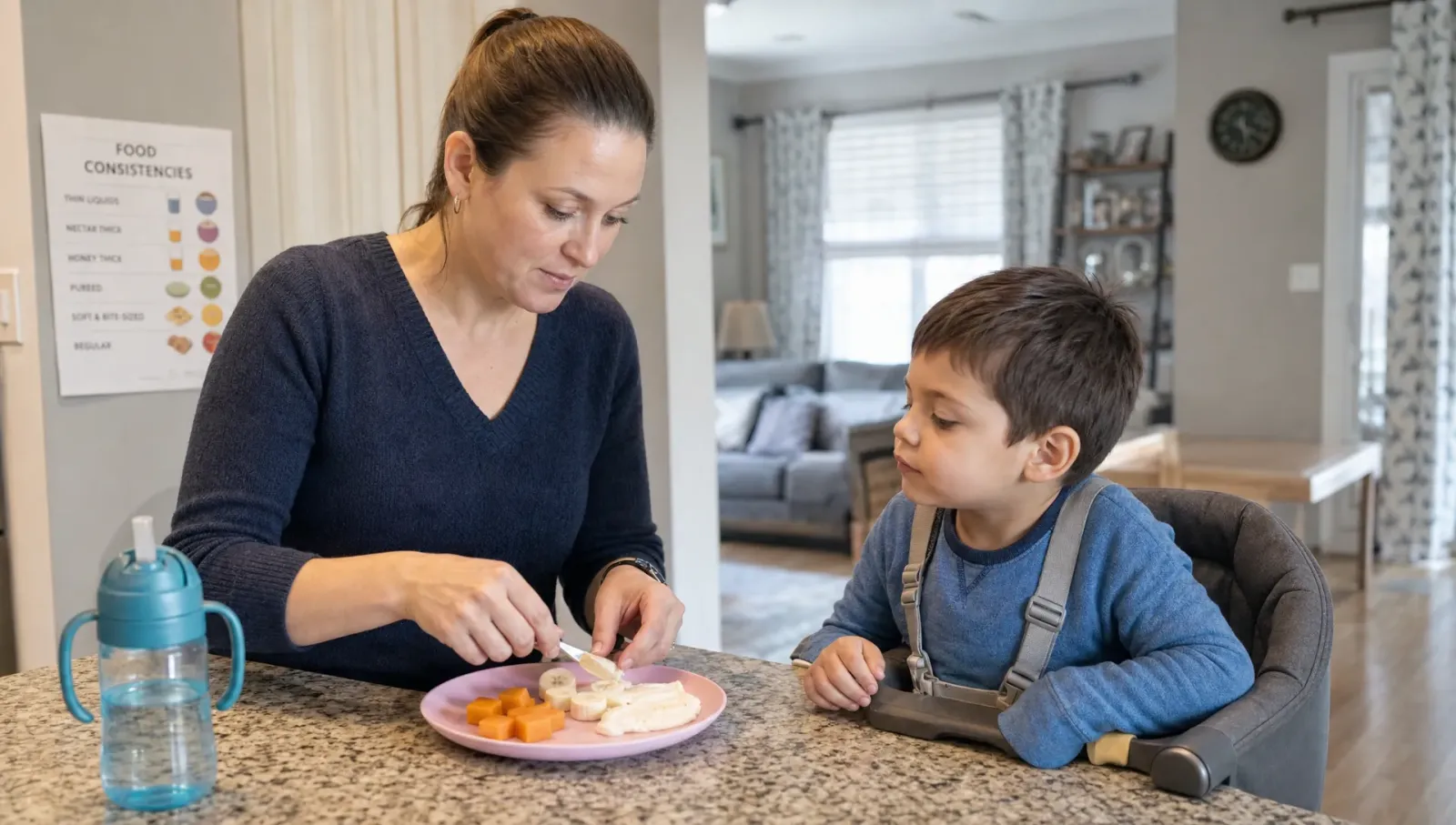
Learn how to recognize swallowing disorders in children, understand common signs and causes, and find out how assessment and therapy can support safer mealtimes.
When a child coughs at meals, avoids textures or takes a long time to finish food, swallowing disorders can be one possible reason. Many parents first notice feeding stress before they know the medical term. Identifying swallowing difficulties in children early helps protect nutrition, hydration, growth and mealtime confidence. For families looking for Speech therapy Dubai, timely support can make daily eating safer and calmer.
What are swallowing disorders in children?
Swallowing is a coordinated process involving the lips, tongue, jaw, cheeks, throat, airway and digestive system. Food or liquid must be accepted, chewed, moved to the back of the mouth and swallowed safely while the airway is protected.
Pediatric swallowing disorders can affect one or more of these steps. A child may struggle with oral control, delayed swallow timing, weak chewing, poor coordination or sensitivity to textures. Some children have dysphagia, which means difficulty swallowing. Others may have feeding challenges linked to sensory, behavioral, motor or developmental needs.
The American Speech-Language-Hearing Association explains that pediatric feeding and swallowing concerns can affect health, development and participation in family routines. In real life, this may look like stressful meals, limited food variety, slow weight gain or repeated respiratory symptoms.
Signs of swallowing problems in children
Parents often ask what is normal and what needs support. Occasional gagging with a new texture can happen, especially during early feeding stages. Repeated symptoms are different. The following signs of swallowing problems in children should be discussed with a pediatrician or feeding specialist.
| Sign to watch for | What it may suggest |
| Coughing or choking during meals | Food or liquid may be entering the airway or irritating the throat |
| Wet or gurgly voice after eating | Possible residue or poor airway protection |
| Frequent gagging or vomiting | Texture sensitivity, reflux, oral motor difficulty or anxiety around feeding |
| Food pocketing in cheeks | Weak tongue movement or poor oral awareness |
| Very long mealtimes | Fatigue, inefficient chewing or low endurance |
| Refusal of certain textures | Sensory aversion, pain, poor chewing skills or past negative experiences |
| Recurrent chest infections | Possible aspiration that needs medical review |
| Poor weight gain | Low intake, inefficient feeding or restricted diet |
Some signs of swallowing problems in children are subtle. A child may drink too much water to help food go down, avoid meat and mixed textures or become upset when meals change. If you notice a pattern, track what happens, with which foods and how often.
Common causes of pediatric swallowing disorders
There is rarely one single cause. Pediatric swallowing disorders may be linked to prematurity, reflux, cleft palate, tongue tie, low muscle tone, cerebral palsy, neurological conditions, autism, developmental delay or a history of breathing support. Some children develop fear after choking, vomiting or painful reflux.
Sensory processing differences can also affect eating. A child may reject crunchy foods, mixed textures, strong smells or foods touching the lips. In other children, the main issue is oral motor coordination. They may not move food side to side for chewing, may swallow pieces too early or may tire quickly.
If a child’s pattern looks broader than picky eating, reading about pediatric feeding disorder can help families understand when feeding concerns need structured support.
How specialists assess swallowing disorders
Assessment starts with a detailed history. A speech-language pathologist or feeding therapist may ask about birth history, medical conditions, growth, respiratory health, food preferences, mealtime behavior and current diet. They may observe posture, breathing, oral structures, chewing, drinking and caregiver-child interaction.
Some children with swallowing disorders need additional medical tests. A pediatrician or specialist may recommend instrumental assessment such as a video fluoroscopic swallow study, often called VFSS, or fiberoptic endoscopic evaluation of swallowing, known as FEES. These tests help clinicians see whether food or liquid is moving safely.
At Bridges Speech Center, therapy planning is individualized. Children may benefit from a combination of speech-language support, occupational therapy, sensory integration, physiotherapy, psychology input and caregiver coaching depending on the underlying need.
Therapy support: what treatment may include
Treatment depends on the child’s age, diagnosis, safety needs and family routine. A therapist may work on posture, oral motor control, chewing skills, cup drinking, texture progression, sensory tolerance and safe swallowing strategies. The goal is not to force eating. The goal is to build skills, safety and trust.
For feeding and swallowing difficulties in children, feeding therapy may include gradual exposure to new foods, strengthening functional chewing patterns, improving mealtime routines and helping parents respond to refusal without pressure.
If tongue posture, mouth breathing, lip closure or oral muscle patterns are affecting swallowing and speech, Orofacial myofunctional therapy may be recommended as part of a broader plan. When speech clarity, language or communication are also affected, speech therapy can support related developmental goals.
Practical tips for safer, calmer meals at home
Home routines matter. Small changes can reduce stress while you wait for an assessment or continue therapy. These tips are general and should not replace medical advice, especially if your child coughs, chokes or has breathing concerns during meals.
- Keep your child seated upright with stable foot support during meals.
- Offer small bites and slow the pace if your child stuffs food.
- Avoid distractions so your child can focus on chewing and swallowing.
- Watch for fatigue, especially near the end of meals.
- Introduce new textures gradually rather than suddenly changing a full plate.
- Keep mealtimes predictable with a beginning, middle and end.
- Do not force bites, as pressure can increase fear and refusal.
For swallowing difficulties in children, a food diary can be very useful. Note the food, texture, amount eaten, coughing, gagging, mood and time taken. Bring videos of mealtimes to your therapist if it is safe and appropriate to record. These details help the team see patterns that may not appear in a clinic session.
When to seek urgent help
Seek prompt medical advice if your child has blue lips, breathing difficulty, repeated choking, frequent chest infections, dehydration, sudden feeding refusal, significant weight loss or signs that food is getting stuck. These symptoms need medical attention before any home strategy is attempted.
Even when symptoms are mild, early support is better than waiting for a child to outgrow persistent feeding issues. Feeding and swallowing difficulties in children can affect nutrition, speech development, confidence and family wellbeing.
Conclusion
Recognizing swallowing disorders early can help children eat more safely, enjoy a wider range of foods and reduce stress for the whole family. Watch for repeated coughing, gagging, food refusal, slow meals, poor weight gain or breathing symptoms. With the right assessment, therapy can address feeding and swallowing difficulties in children through practical, child-centered support.
If you are concerned about your child’s feeding, swallowing, speech or development, Bridges Speech Center can guide you toward the right next step. To book an appointment or speak with the team, contact us today.