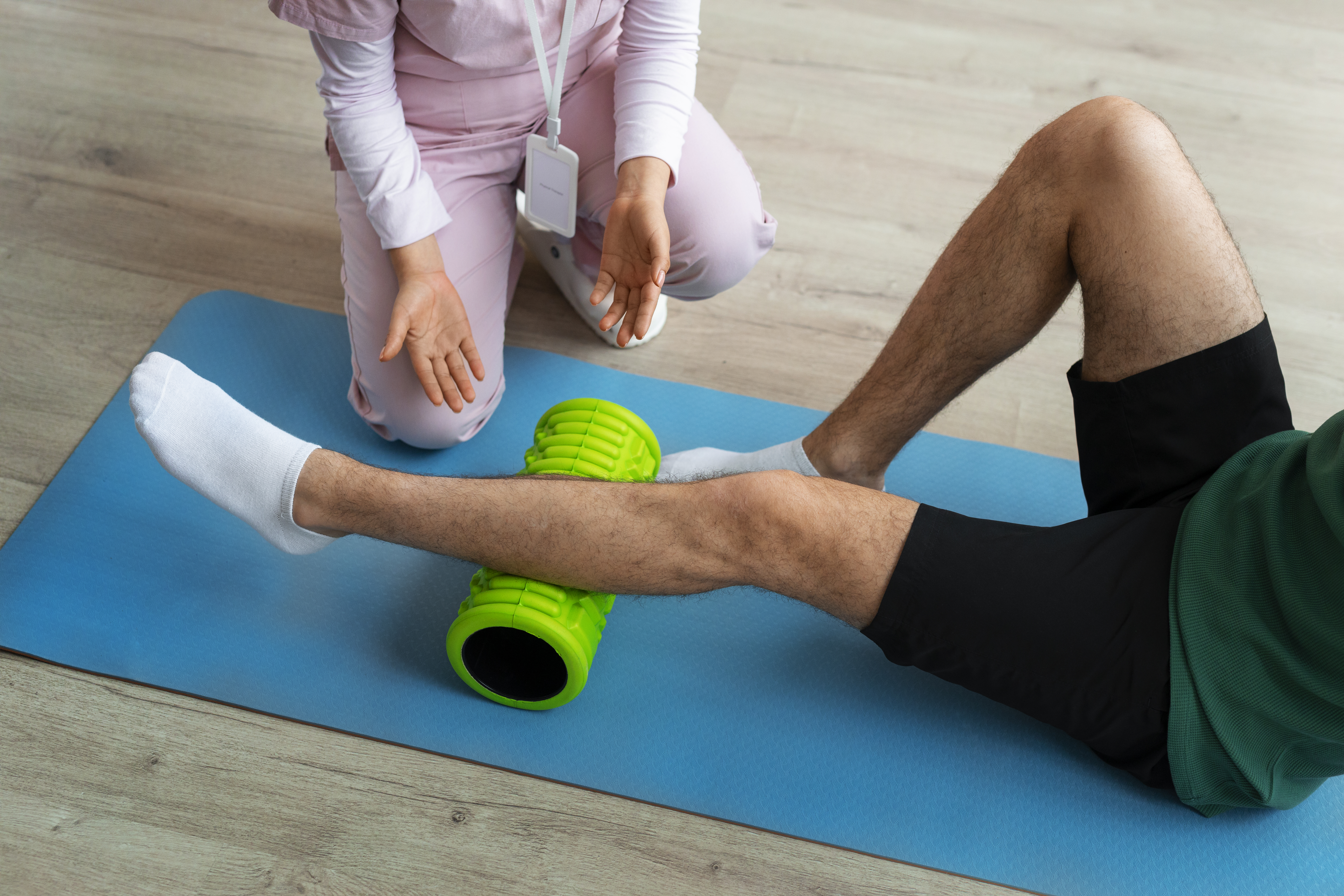
Sports injuries can affect your performance and daily activities if left untreated. Learn how sports injury physiotherapy helps reduce pain, restore mobility, strengthen injured muscles and joints, and safely guide you back to sports. This guide covers the rehabilitation process, common injuries, recovery stages, and when to seek professional physiotherapy.
Whether you're a professional athlete, a weekend runner, or someone who enjoys staying active, a sports injury can disrupt your routine and delay your fitness goals. The right treatment at the right time can make all the difference. Sports injury physiotherapy helps reduce pain, restore movement, and safely guide you back to your sport while minimizing the risk of future injuries.
What is Sports Injury Physiotherapy
Sports injury physiotherapy is a targeted approach to treating musculoskeletal injuries caused by athletic activity, using hands-on techniques, prescribed exercises, and movement retraining to restore function and prevent future problems. Unlike general physical therapy, sports physiotherapy focuses specifically on the demands of sport: the explosive movements, the repetitive loading, the need for rapid return to competition, and the unique biomechanical patterns that put athletes at risk. A skilled sports physiotherapist does not just treat the injury; they analyze how it happened, address the underlying weaknesses or imbalances, and build a rehabilitation plan that gets you back to your sport stronger than before.

What to Expect from Sports Injury Physiotherapy
Aspect |
What It Means for You |
| Initial assessment | Full movement screen, strength testing, and sport-specific functional evaluation |
| Treatment techniques | Manual therapy, dry needling, soft tissue mobilization, joint mobilization |
| Exercise prescription | Progressive loading from basic movement to sport-specific drills |
| Recovery timeline | Varies by injury: mild strains 2-4 weeks, ligament tears 6-12 weeks, post-surgery 3-6 months |
Key outcome
| Return to sport with reduced reinjury risk |
Why Physiotherapy Works for Sports Injuries
The human body responds to injury in predictable ways: inflammation, tissue repair, and remodeling. But without guided rehabilitation, that process often goes wrong. Scar tissue forms haphazardly. Muscles around the injured area weaken from disuse. The brain changes how it coordinates movement to protect the injury, creating compensation patterns that lead to new problems down the road.
Sports injury physiotherapy interrupts this cycle. A
physiotherapist applies specific manual techniques to break up adhesions and improve tissue mobility. They prescribe exercises that load the injured structure at the right intensity and timing, stimulating proper collagen alignment and strength gains. And they retrain movement patterns so the athlete does not return to sport with the same faulty mechanics that caused the injury in the first place.
Research consistently shows that guided rehabilitation outperforms rest alone for most sports injuries. For hamstring strains, Achilles tendinopathy, ACL reconstruction, and shoulder impingement, structured physiotherapy programs produce better outcomes in less time than unstructured recovery.
The Four Stages of Rehab for Sports Injuries
Rehabilitation follows a logical progression, though the timeline varies based on injury severity, the athlete's age, and their sport demands.
Stage 1: Pain and Protection
In the first days after injury, the priority is controlling pain and swelling while protecting the damaged tissue from further harm. This does not mean complete rest. The physiotherapist may recommend gentle range-of-motion exercises that do not stress the injured area, along with modalities like ice, compression, and elevation. For a Grade 1 ankle sprain, this stage might last two to three days. For a muscle tear requiring surgery, it could stretch to two weeks.
Stage 2: Controlled Loading
Once acute inflammation subsides, the focus shifts to rebuilding strength and mobility without provoking pain. This is where most people make the mistake of either doing too much too soon or staying in the protective stage too long. The physiotherapist prescribes exercises with specific parameters: how much weight, how many repetitions, which ranges of motion are safe. For a runner with patellofemoral pain, this might mean starting with isometric quadriceps contractions and straight-leg raises before attempting any bending of the knee under load.
Stage 3: Sport-Specific Training
When the injured structure can handle basic loading, rehabilitation becomes more sport-specific. The athlete performs exercises that mimic the movements of their sport but at lower intensity. A soccer player might start with straight-line jogging and cutting at 50 percent effort. A basketball player might practice landing mechanics from a low box before attempting jumps. The physiotherapist watches for compensation patterns and corrects them before they become habits.
Stage 4: Return to Sport
The final stage is about building capacity to handle full competition demands. This includes high-intensity drills, sport-specific agility work, and often a gradual return to practice before games. The criteria for return are not based on time alone but on objective measures: strength symmetry within 10 percent of the uninjured side, full pain-free range of motion, and successful completion of sport-specific tests. Many athletes find this stage the most mentally challenging, as the fear of reinjury can be as limiting as any physical deficit.
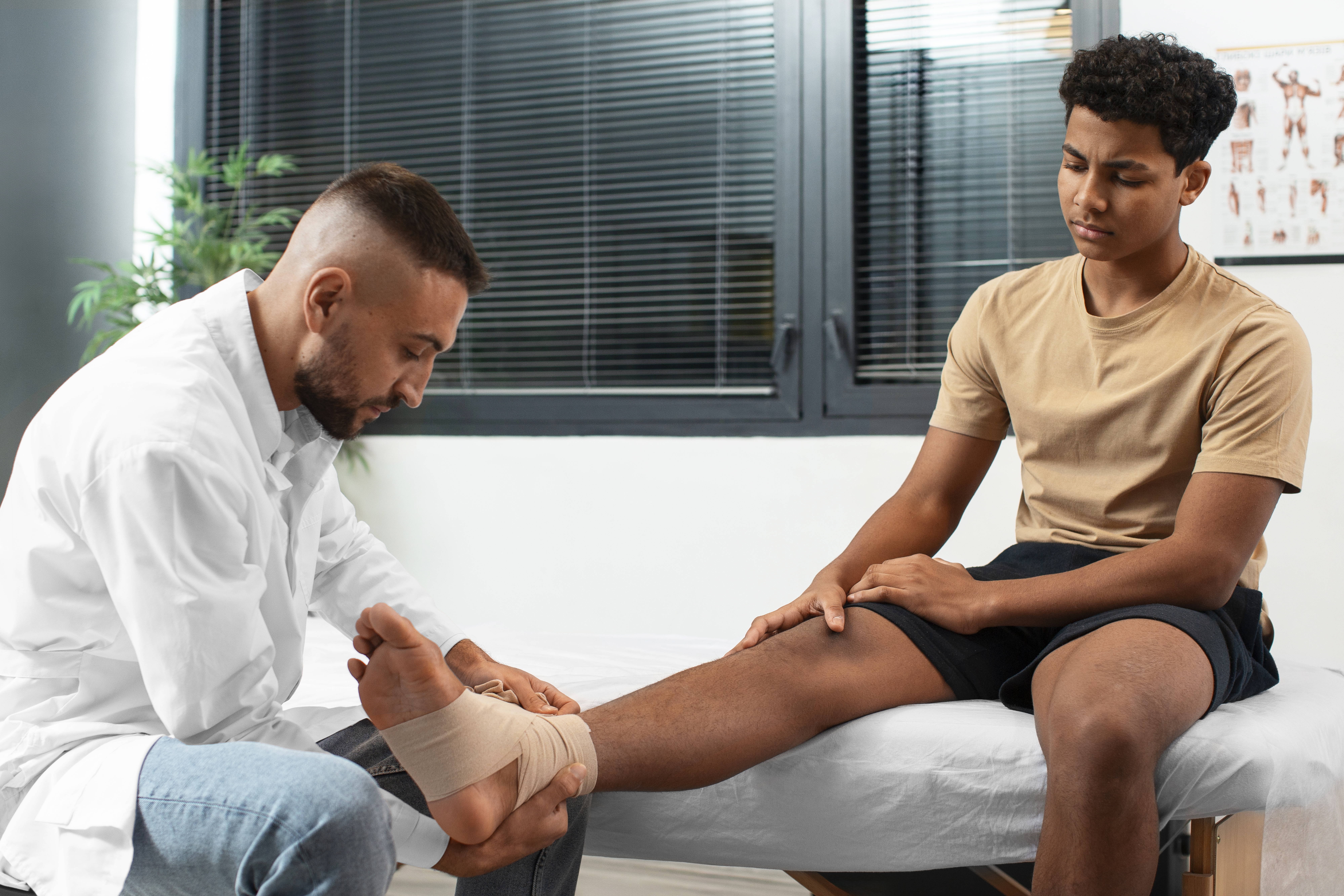
Common Sports Injuries That Respond Well to Physiotherapy
Hamstring Strains
Hamstring injuries plague sprinters, soccer players, and anyone who performs explosive acceleration. The key to successful rehabilitation is not just resting until the pain stops but rebuilding eccentric strength and neuromuscular control. A physiotherapist will progress from isometric contractions to Nordic hamstring curls to sport-specific sprinting drills, carefully managing the load to avoid reaggravation.
Ankle Sprains
Lateral ankle sprains are among the most common sports injuries, and they have a notorious tendency to become chronic if not properly rehabilitated. Beyond reducing swelling and restoring range of motion, physiotherapy must address proprioception: the ankle's ability to sense its position in space. Balance training on unstable surfaces, single-leg stance exercises, and dynamic stabilization drills are essential.
ACL Reconstruction Recovery
Returning to sport after ACL reconstruction requires a minimum of nine months of structured rehabilitation, and many athletes benefit from longer timelines. The physiotherapist guides the athlete through phases of quadriceps activation, gait retraining, progressive strengthening, and eventually plyometric and agility work. The goal is not just a stable knee but one that can handle the rotational forces of cutting and pivoting.
Shoulder Impingement
Overhead athletes like swimmers, tennis players, and baseball pitchers frequently develop shoulder impingement. Physiotherapy focuses on restoring scapular control, strengthening the rotator cuff, and correcting movement patterns that narrow the subacromial space. Manual therapy to the posterior capsule and thoracic spine often provides significant relief.
What the 80/20 Rule Means in Physiotherapy
The 80/20 rule in physiotherapy refers to the principle that roughly 80 percent of recovery comes from consistent, correctly performed home exercises, while only 20 percent comes from the hands-on treatment received during appointments. This is not to diminish the value of in-clinic care. The physiotherapist's assessment, manual techniques, and exercise prescription are what make the home program effective. But the athlete must understand that showing up for appointments twice a week will not produce results unless they also do the daily work.
A good physiotherapist will prescribe a home program that takes 15 to 20 minutes per day, with clear instructions on how to perform each exercise and what sensations are acceptable versus concerning. They will also explain why each exercise matters, which improves adherence. Athletes who understand that a specific balance exercise is retraining their ankle proprioception are far more likely to do it consistently than those who see it as just another boring drill.
What to Look for in a Sports Physiotherapist
Not all physiotherapists specialize in sports injuries. When choosing a provider, consider these factors:
- Credentials: Look for a licensed physiotherapist with experience in sports injury rehabilitation and treating athletes with similar injuries.
- Experience with your sport: A physiotherapist who works regularly with runners will understand the specific demands of marathon training differently than one who primarily treats weekend warriors.
- Communication style: The best physiotherapists explain the reasoning behind each exercise and treatment. If you leave an appointment unsure of what to do at home, that is a red flag.
- Facility equipment: A good sports physiotherapy clinic should have resistance training equipment, plyometric boxes, agility ladders, and space for sport-specific drills. If the clinic only has treatment tables and TheraBands, they may not be equipped for advanced rehabilitation.
Practical Tips for Getting the Most Out of Physiotherapy
Arrive for your first appointment with a clear understanding of your injury history, including previous injuries to the same area and any imaging results you have.
Be honest about your activity level and goals. If you plan to return to competitive trail running, say so. The rehabilitation program for a recreational jogger looks very different from one designed for an ultramarathoner.
Ask questions when you do not understand an exercise or its purpose. A physiotherapist who cannot explain why you are doing something may not have a clear rationale themselves.
Track your progress. Keep a simple log of pain levels, exercise tolerance, and any setbacks. This information helps the physiotherapist adjust the program appropriately.
Communicate setbacks promptly. If an exercise causes sharp pain or if you feel a pop during activity, let your physiotherapist know before your next appointment. Waiting days or weeks can prolong recovery.
When to Consider Physiotherapy for a Sports Injury
Many athletes try to self-manage minor injuries with rest, ice, and over-the-counter pain relievers. This approach works for very mild strains that resolve within a few days. But certain signs indicate that professional assessment is warranted:
- Pain that does not improve after three to five days of relative rest
- Swelling that persists beyond the first 48 hours
- Inability to bear weight or use the injured limb normally
- A popping or tearing sensation at the time of injury
- Instability or giving way in a joint
- Recurrence of the same injury multiple times
Delaying treatment for these situations often leads to longer recovery times and higher risk of chronic problems. An Achilles tendinopathy caught early may resolve in six to eight weeks with appropriate loading. The same condition left untreated for six months can take a year or more to rehabilitate.
Recovering from a sports injury is about more than simply waiting for the pain to go away. The right rehabilitation plan helps restore strength, improve movement, correct underlying imbalances, and reduce the risk of future injuries. Whether you're dealing with a muscle strain, ligament injury, tendon problem, or post-surgical recovery, sports injury physiotherapy plays a vital role in helping you return to your sport safely and confidently.
If you're experiencing pain, limited mobility, or an injury that's affecting your performance, don't wait for it to worsen. At
Bridges Speech Center in Dubai, our experienced physiotherapists provide personalized sports injury rehabilitation programs tailored to your condition, activity level, and recovery goals. Contact us today to schedule an assessment and take the first step toward a stronger, safer recovery.