Does Physical Therapy Cure Cerebral Palsy? What Parents Really Need to Know?
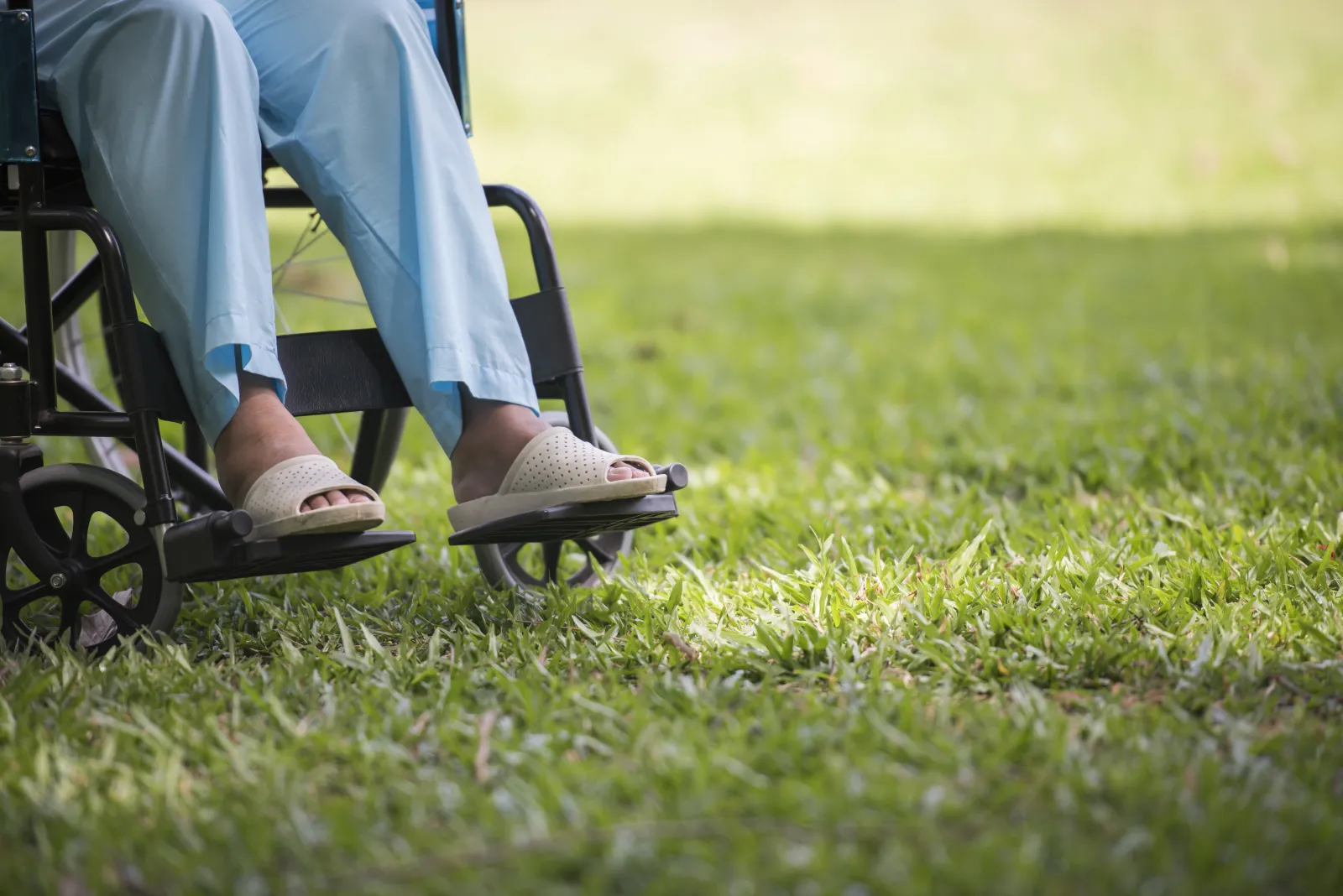
Can physical therapy cure cerebral palsy? Understand how pediatric physiotherapy helps children improve strength, balance, mobility and everyday independence while managing their changing needs as they grow.
Parent question: Will physical therapy actually cure my child's cerebral palsy, or are we looking at therapy forever?
To be completely honest with you right from the start, no. Physical therapy does not cure cerebral palsy. That is because the early brain injury itself doesn't just vanish. But here is the good news (and it really is good news): therapy gives your child the practical tools to get stronger, move around more easily, and keep tight joints from getting stuck as they grow. And no, you won't necessarily be stuck inside a clinic every single week forever, most families do focused blocks of therapy, take breaks to just live life, and practice little things at home.
Let's break down what's actually going on?
Cerebral palsy starts with an early difference or injury in the developing brain. It affects how the brain talks to muscles. That brain injury is non-progressive, which is just doctor-speak meaning it does not get worse over time. What happens in the brain stays the same.
So why does movement change?
Well, kids grow! Bones get longer, muscles get stretched tight, body weight goes up, and suddenly keeping balance at school takes a lot more effort. Without a bit of help, those tight muscles can pull on growing joints. Pediatric physical therapy is not about trying to 'fix' the brain injury. It is simply about helping your kiddo use their body in the most comfortable, practical way possible so they can play, explore, and do their thing.
An everyday example
Example: Think about five-year-old Adam. Adam has spastic diplegia, which mostly affects his legs. During a sudden growth spurt, his calf muscles got super tight. Pretty soon he was up on his tiptoes, tripping over toys at nursery and feeling frustrated.
His family did an eight-week block of focused physiotherapy. The therapist worked on heel-down walking, stretched his ankles through play, and sorted out supportive ankle braces (AFOs). Once Adam was walking steadily across his classroom without tumbling, clinic visits stopped. His mum and dad kept up a couple of easy stretches during floor play at home, knowing they could always check back in when the next big growth spurt hit.
What do we actually look at during an evaluation?
When you bring your child in, a physical therapist isn't testing them to give a grade. They are just watching how your child moves through the world:
| Muscle tone: | whether muscles feel stiff (spasticity) or loose and floppy (hypotonia). |
| Joint movement: | checking if ankles, knees, or hips move freely without getting stuck in fixed spots (contractures). |
| Big movement skills: | how they roll, sit on the carpet, crawl, stand up, or walk. |
| Balance: | how steady they look when sitting during storytime or playing standing up. |
| Everyday gear: | checking if things like walkers, standing frames, special seating, or foot orthotics could make life easier. |
When is it time for a quick check-in?
It is worth booking an updated physical therapy assessment if you notice sudden changes. Maybe your child lost a skill they used to have, started complaining of sore joints, seems to be tripping way more often, or simply outgrew their braces.
How therapy goals shift as kids grow up
| Baby and toddler years (0-3 years): | It is all about play, rolling, learning to sit, and showing parents gentle ways to hold and carry their little one at home. |
| School age (4-11 years): | The focus moves to keeping up in class, managing big growth spurts, playground walking, and making sure orthotics fit right. |
| Teen years (12-18 years): | Keeping joints flexible, building strength, avoiding pain, and helping them get around their community independently. |
| Young adulthood: | Setting up good work desk habits, saving energy, and figuring out fun adaptive gym routines they can do on their own. |
The big picture
Physical therapy won't make cerebral palsy disappear, but it gives your child the strength, comfort, and confidence to take part in everyday family life.
Pediatric therapy today is all about the whole family. Clinicians across physiotherapy, occupational therapy, and speech therapy team up so your child builds communication, independence, and physical movement together. It is not about keeping your child inside a clinic room forever, it is about giving you practical habits that work in real life.
Here in Dubai, pediatric physiotherapy operates under licensing standards set by the Dubai Health Authority (DHA). Families often balance appointments between multidisciplinary centres, school inclusion teams, and pediatricians. And during hot summer months when outdoor play is tricky, finding fun indoor movement spaces in Dubai makes all the difference for staying active year-round.
Dr. Mahrukh Mahmood
Head of Physio. Therapy Dept.
I am Dr. Mahrukh, Head of the Physiotherapy Department and Senior Pediatric Physiotherapist at Bridges Speech Center. I am DHA licensed and have more than 15 years of clinical experience supporting children with movement and developmental challenges.
For a child, being able to sit comfortably, keep their balance, take a step, or join in play can make a real difference to everyday life. I work closely with families to understand which of these goals matters most to their child and build a physiotherapy plan around their needs and abilities.
I am certified in Dynamic Movement Intervention (DMI) Level B, Neurodevelopmental Therapy (NDT), and Suit Therapy. My experience includes working with children with cerebral palsy, developmental delays, spina bifida, and other neurological and orthopaedic conditions. I also support children who need help with posture, walking, and balance.
If you have concerns about your child’s movement or motor milestones, a physiotherapy assessment can help you understand their strengths and the next steps for support.
To schedule a consultation, contact Bridges Speech Center LLC:
04 358 1115 | 050 522 6054
References
- American Academy for Cerebral Palsy and Developmental Medicine. (n.d.-a). Care pathways. https://www.aacpdm.org/publications/care-pathways/
- American Academy for Cerebral Palsy and Developmental Medicine. (n.d.-b). Central hypotonia. https://www.aacpdm.org/publications/care-pathways/central-hypotonia
- American Academy for Cerebral Palsy and Developmental Medicine. (n.d.-c). Early detection of cerebral palsy. https://www.aacpdm.org/publications/care-pathways/early-detection-of-cerebral-palsy
- National Institute for Health and Care Excellence. (2012). Spasticity in under 19s: Management (Clinical guideline CG145). https://www.nice.org.uk/guidance/cg145
- National Institute for Health and Care Excellence. (2017). Cerebral palsy in under 25s: Assessment and management (NICE guideline NG62). https://www.nice.org.uk/guidance/ng62