Is Delayed Speech a Sign of Autism? What Parents of Toddlers Need to Know
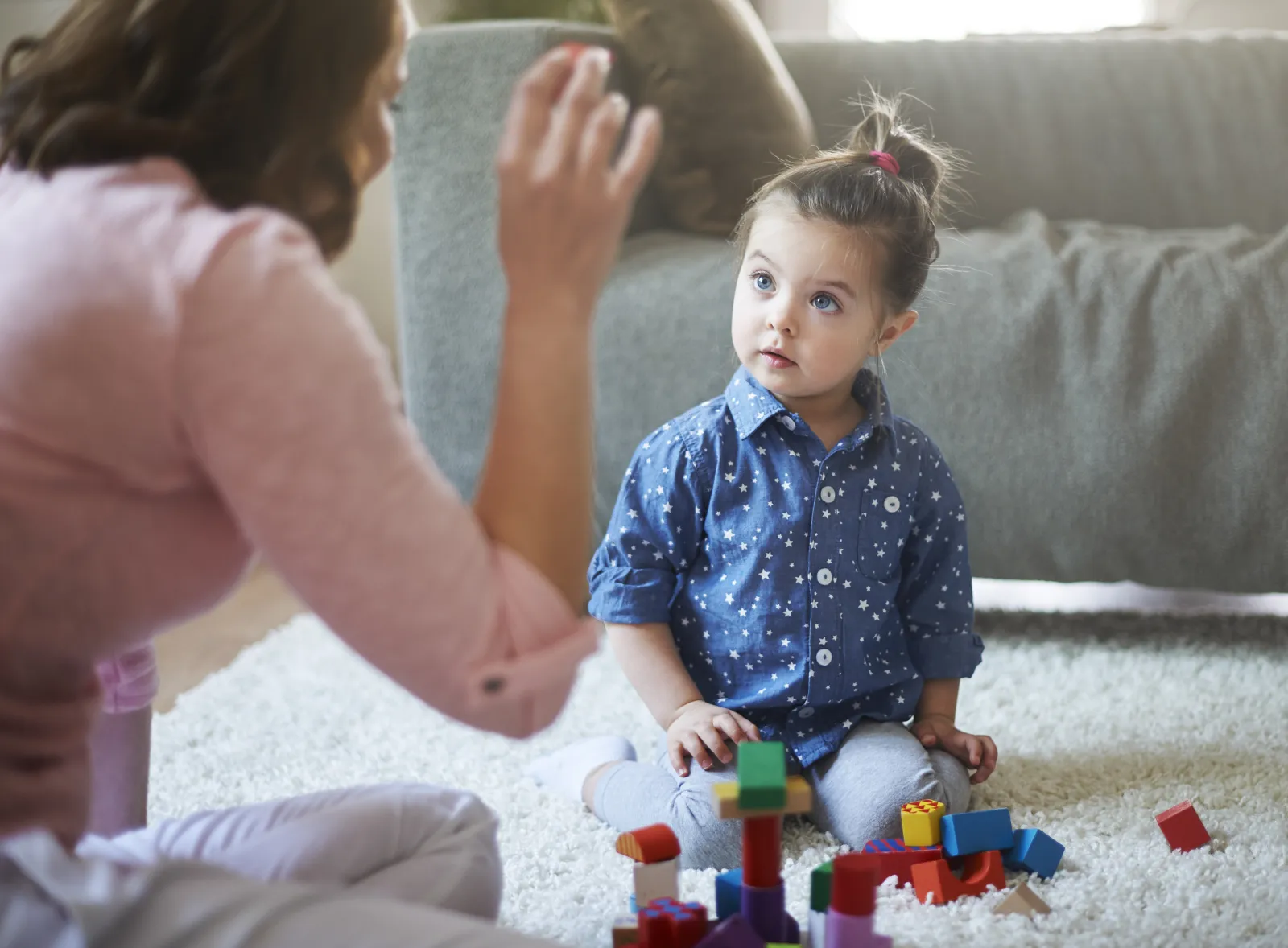
Delayed speech does not always mean autism. Learn the differences between speech delay and broader communication differences, and when to seek an assessment.
If your two-year-old is barely saying any words, take a deep breath. First things first: no, a speech delay does not automatically mean your child has autism spectrum disorder.
Not even close, honestly.
It is so easy to spiral late at night on your phone, comparing your toddler to someone else's kid at the park who is chatting away in full sentences. But talking is just one piece of how little humans connect with us. Lots of late talkers are absolute chatterboxes with their hands and eyes! They will pull you over to the kitchen counter, point right at the biscuits, look you dead in the eye, and make a sound that clearly means "give me that now please". That is communication, plain and simple, even without clear words yet.
With Autism Spectrum Disorder (ASD), what clinicians look for goes way beyond late talking. Autism is a whole different way of experiencing the world, social signals, play, and sensory things like loud noises or bright lights. A pure speech delay is super common on its own. Sometimes it is just a bit of fluid sitting in the middle ear making everything sound muffled (like being underwater, basically), or simply their own developmental clock ticking at its own pace.
Picture two toddlers, both two years old with only three spoken words between them:
One little boy does not talk much, but when a big noisy plane flies over, he points straight up at the sky, gasps, and looks right at mum's face so they can share the moment together. He brings over his favourite teddy when he wants a cuddle, he waves bye-bye to grandma at the door.
Another little boy also has three words, but he rarely points to show you things he likes. When he wants juice, he might grab dad's wrist and push it against the cup like a tool, without looking up at his face at all. He might prefer spinning the wheels on a toy tractor over and over for half an hour rather than pretending to feed the farm animals.
See the difference? The first child has an isolated speech delay with wonderful social connection. The second child shows broader social communication and play differences that tell us a wider developmental assessment would be a good idea.
When we look at communication in little ones, we check things like:
- Joint attention (do they look at a puppy, then look at you to make sure you see it too?)
- Gestures like pointing, nodding, and waving goodbye by around 14 to 18 months
- Responding when you call their name from across the room
- Understanding simple everyday words like "bring your shoes"
- Copying little daily routines, like brushing teddy's hair or stirring a cup
- How they react to certain sounds, textures, or whether they repeat specific motor movements
Isolated Speech Delay vs. Broader Social Communication Differences
Area of Development | Isolated Speech Delay | Broader Social Communication / ASD Profile |
| Gestures & Pointing | Use of pointing, waving, head shake actively to compensate for lack of words. | Points rarely to share his/her interest; may pull someone's hand to get what they want. |
| Eye Contact & Expression | Share eye contact and use of facial expressions naturally during play. | Eye contact may be fleeting or used rarely to have social interaction |
| Response to Name call | Turns and responds consistently provided their hearing is normal. | May seem not to respond to their name, even with normal hearing. |
| Imitation & Play | Copies actions of daily routines and engages in functional, imaginative play. | Play may be focused on repeating specific actions, plays, spinning objects, or organizing items in line. |
| Understanding (Receptive) | Understands day to day commands and family conversations as well. | May have difficulty following simple spoken cues without visual support of pointing during day to day tasks or play. |
A few gentle things you can try at home starting today:
Drop down to their eye level when you play so they can see your mouth moving and read your face. When they point or reach, answer right away to show them that reaching out works wonders! Talk about what you are both doing in short, simple phrases instead of quizzing them with "what's this?" all day long, it takes the pressure right off. And definitely ask your doctor to check for ear fluid, toddlers get ear congestion so easily.
If you are unsure whether your child's communication is developing as expected, an assessment can help identify strengths and areas that may need support. You do not have to sit around waiting until age three if your gut says something is off. Getting an assessment with a speech therapist does not put a scary label on your child, it just gives you a clear roadmap and practical tools so you know how to help them thrive.
Rupali Ranjith
20+ years in the field of Rehabilitation
MASLP, QASP-S, BCaBA
I am Rupali Ranjith, Consultant Speech and Language Therapist, Assistant Behaviour Analyst, Qualified Autism Specialist as well as Medical Director of Bridges Speech Center, Bridges Care, and Bridges Synergy Pro. I hold a master’s degree in Speech and Hearing and more than 20 years of experience across India and the UAE. I have supported clients of all ages. Along with speech and Language Pathology , I hold BCaBA and QASP-S credentials. I am trained in evidence-based approaches including PROMPT, DTTC, ReST, AVT, PECS, AVAZ, Gestalt Language Processing, Orofacial Myofunctional Therapy, Oral Placement Therapy, Reflex Integration, Sensory Integration, and the Hanen Program.
If you are really concerned about your child’s communication development, an assessment can help identify their strengths, underlying challenges, and appropriate next steps.
To schedule a speech and language consultation or learn more about speech therapy, contact Bridges Speech Center LLC: 04 358 1115 | 050 522 6054
References
- American Speech-Language-Hearing Association (ASHA), Communication Milestones: How Does Your Child Hear and Talk?
- American Academy of Pediatrics – HealthyChildren.org, Developmental Milestones for Two-Year-Olds.
- Royal College of Speech and Language Therapists (RCSLT), Early Years Speech and Language Development.