
How Can Behavioral Therapy Help with Impulsive Behavior in Children?
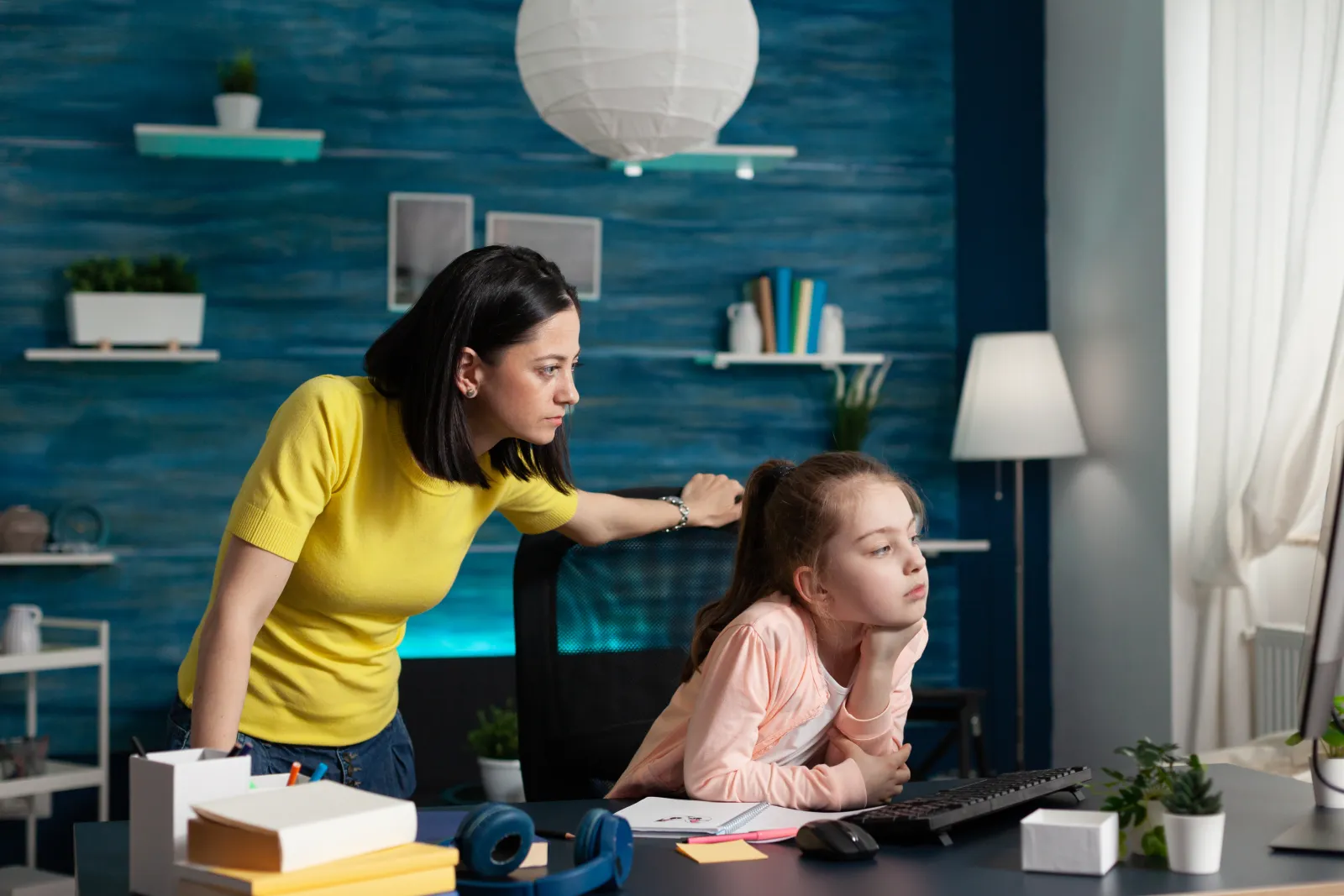
Does your child act before thinking, struggle to wait their turn or frequently interrupt others? Discover how behavioral therapy helps children understand triggers, develop self-control and build better habits through practical strategies and guided support.
Quick question
"My child just acts before thinking. They blurt things out, grab toys, and cannot wait their turn for even two seconds. Can behavioral therapy actually teach them to slow down?"
The short answer
Yes, absolutely. Behavioral therapy doesn't focus on scolding or punishing a child for quick reactions. Instead, it looks at “why” they act on impulse and give them real, doable tools to pause and pick a different choice. Over time, these small habits turn into real self-control at home, in class, and on the playground.
What is actually going on when your child acts out so fast?
Ever feel like your child’s body moves ten seconds before their brain has a chance to catch up? You are definitely not alone.
Impulsivity usually isn't misbehavior on purpose. It happens because the self-control brakes in a growing brain are still very much under construction. When a sudden urge hits, they just act. If this starts causing trouble with schoolwork, family routines, or making friends, behavioral therapy steps in to provide gentle outside structure until their inside control catches up.
Therapists look closely at the little pattern around the action: what happened right before the burst (the trigger), and what happened right after. Once we know the pattern, we can teach your child that hitting the pause button gets them much better results than jumping straight in.
Illustrative Example
Take seven-year-old Tariq. During free playtime at school, he would snatch toys right out of other children's hands. Daily arguments followed. Telling him "stop grabbing" over and over changed nothing.
So, a behavioral therapist worked with Tariq to spot that quick urge in his body and use a simple "stop and ask" visual card instead. His parents and teachers practiced turn-taking games with super short waits, cheering him on every single time he waited without grabbing. Within a few weeks? Tariq was using his words to ask for a turn instead of snatching.
What we look at during an assessment
When we evaluate impulsive behavior, we don't just count outbursts. We look at the whole picture:
| The triggers: | Are there certain times of day, noisy rooms, or tricky tasks where self-control drops? |
| What the behavior gets them: | Are they looking for attention, trying to grab a favorite toy, or just escaping a hard task? |
| Sensory overload and big feelings: | Sometimes a crowded room or big frustration speeds up physical reactions. |
| Words and communication | Does your child have an easy way to say what they need before their hands take over? |
| Working memory and planning: | Can they hold two or three steps in their head, or do instructions vanish the second you say them? |
Everyday things you can try at home tonight
| 1. Use visual timers or simple pictures: | Don't make them guess when their turn comes. Let them see the minutes tick down on a timer or watch a visual chart. |
| 2. Catch them when they actually wait: | We notice the meltdowns, but notice the quiet pauses too! Say something specific like, 'I loved how you waited quietly while I answered that message.' |
| 3. Give their body a quick physical habit: | Teach them to tuck their hands into their pockets, take one deep breath, or squeeze a soft fidget toy when they feel an urge bubble up. |
| 4. Keep directions to one step at a time: | Giving three instructions at once can overwhelm little minds. Give one, ask them to say it back, and let them finish it first. |
| 5. Keep rules predictable and calm: | When reactions are steady and neutral, children learn the cause-and-effect of their actions much faster. |
Common impulsive behaviors and how therapy helps
Blurting out answers or talking over everyone
What is hard: Holding words inside until it is their turn.
How therapy helps: Visual reminder cards, fun waiting practice, and small rewards for raising a hand.
What you see: They pause, raise a hand, or wait for a gap to speak.
Grabbing toys or shoving in line
What is hard: Wanting things instantly and not sensing personal space.
How therapy helps: Short social stories, clear floor markers, and guided play sessions with peers.
What you see: Standing on their spot and asking nicely for a turn.
Flying through homework without reading questions
What is hard: Sticking with a task and checking work carefully.
How therapy helps: Breaking worksheets into bite-sized chunks, checklist cards, and quick timer breaks.
What you see: Checking each answer before saying "I'm done!"
Big meltdowns the second they hear 'No'
What is hard: Low tolerance for frustration and sudden emotional spikes.
How therapy helps: Calming routines practiced together, naming the feeling, and offering two acceptable choices.
What you see: Using a calming tool before talking through a compromise.
When is it a good idea to seek an assessment?
All kids act on impulse sometimes, it is a totally normal part of growing up. But if sudden reactions are putting your child in danger, causing daily heartbreak at school, or turning home life into constant stress, an assessment can help uncover what is going on. A proper evaluation by pediatric professionals looks at whether these habits are tied to attention differences, speech delays, sensory needs, or simply a developmental stage that needs extra support.
The bottom line
Impulsive actions are not bad attitudes or stubbornness, they are simply a skill waiting to be taught. With the right tools and warm guidance, kids can learn to pause, breathe, and make thoughtful choices.
At Bridges Speech Center in Dubai, we look at impulsivity as a team effort. A speech therapist helps make sure a child has the words to express their big needs. An occupational therapist checks if sensory seeking or tired motor control makes it hard to sit still. Behavioral therapists and psychologists bring all these pieces together into easy routines that fit real family life.
Raising a child in Dubai means handling lively, multicultural classrooms with high academic expectations. Therapists licensed under Dubai Health Authority (DHA) work hand-in-hand with international schools across the UAE, creating school accommodations and support plans that respect every family’s home culture and language.
Gurumurthy HV
QBA , Head of Behavioural Therapy Dept.
I am Gurumurthy, Head of the Behaviour Analysis Department at Bridges Speech Center and a Qualified Behavior Analyst (QBA). I have more than 13 years of experience in Applied Behavior Analysis, supporting children with autism and other developmental needs, as well as adults who benefit from behavioural support.
For me, behaviour support begins with understanding the person behind the behaviour. I work with individuals and families to identify what may be making daily life difficult, build useful communication and life skills, and develop practical strategies that can be carried into home and community routines. My training includes functional communication training, VB-MAPP assessment and intervention, parent training, and trauma-informed care. I also bring a background in social work to the way I support families.
If you have concerns about your child’s behaviour, communication, or independence, an assessment can help us understand their strengths and decide on the next steps together.
To schedule a consultation, contact Bridges Speech Center LLC:
04 358 1115 | 050 522 6054