
Author name: Bridges Speech Center

therapy for panic attacks

Therapy for Panic Attacks: Symptoms, Causes and Treatment Options

Therapy for panic attacks can help people understand sudden waves of fear, calm the body’s alarm response and rebuild confidence in daily life. Panic attacks can feel frightening because the symptoms often appear quickly and may mimic a medical emergency. Many people experience a racing heart, shortness of breath, dizziness or a strong fear that […]

Therapy for Panic Attacks: Symptoms, Causes and Treatment Options Read More »
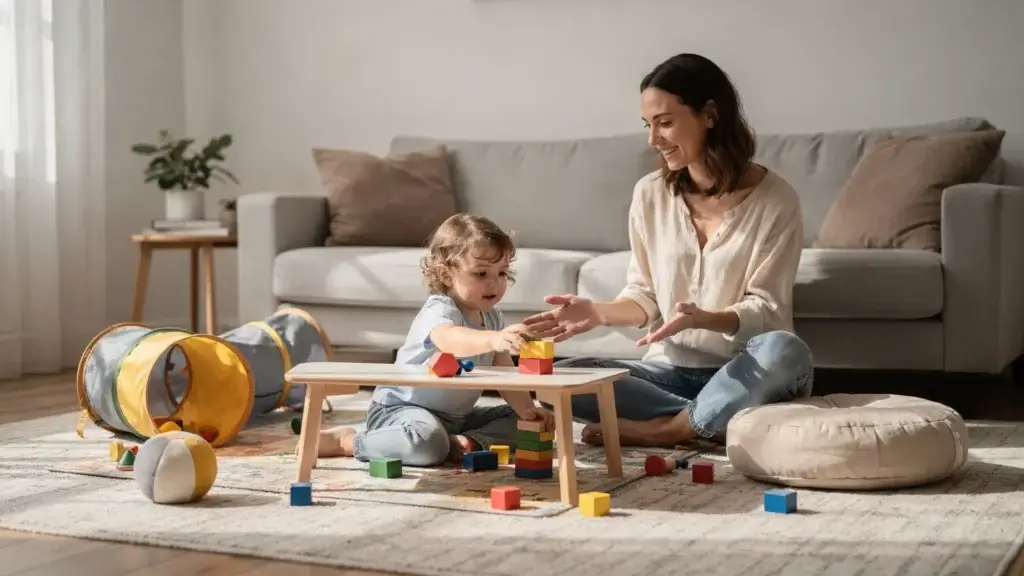
large motor skills for preschoolars

Fine and Large Motor Skills for Preschoolers

Parents often notice motor skills in everyday moments: a toddler climbing onto the sofa, a preschooler struggling with buttons, or a school-age child avoiding handwriting. These small observations matter because movement is closely linked to play, independence, learning, feeding, confidence, and social participation. Fine and large motor skills develop at different speeds for every child,

Fine and Large Motor Skills for Preschoolers Read More »

late talker vs autism

Late Talker vs Autism: Understanding the Difference

Many parents search for Late Talker vs Autism when their toddler is not speaking as expected. It is a common and understandable concern. Some children are late talkers and mainly need language support. Others may show signs that point to autism or a broader social communication delay. The difference is not always obvious at home.

Late Talker vs Autism: Understanding the Difference Read More »

pediatric feeding disorder

Pediatric Feeding Disorder: Signs, Causes, and Therapy Support for Children

Mealtimes should support growth, connection and independence. For some families, however, every meal becomes a struggle filled with gagging, refusal, crying or worry about nutrition. A Pediatric Feeding Disorder is more than ordinary picky eating. It can affect a child’s health, development, communication and family routines. At Bridges Speech Center in Dubai, feeding support is

Pediatric Feeding Disorder: Signs, Causes, and Therapy Support for Children Read More »

post stroke rehabilitation

Post Stroke Rehabilitation: Stages, Therapies, and the Journey to Recovery

Recovery after a stroke is rarely a straight line. Some people regain skills quickly while others need longer support for movement, speech, swallowing, thinking or daily activities. Post Stroke Rehabilitation gives the brain and body repeated, guided opportunities to rebuild function and confidence. The goal of stroke recovery rehabilitation is not only to “get back

Post Stroke Rehabilitation: Stages, Therapies, and the Journey to Recovery Read More »

pincer grasp development

Pincer Grasp Development Through Playful Daily Activities

A tiny thumb-and-index-finger pinch may look simple, but it is a major building block for independence. Developing pincer grasp helps children pick up finger foods, turn pages, peel stickers, hold crayons, manage buttons, and explore toys with better control. The good news is that you do not need expensive equipment or long practice sessions. Everyday

Pincer Grasp Development Through Playful Daily Activities Read More »

school readiness

Key Factors Affecting School Readiness and Early Learning Success

Starting school is a major milestone. For many children, success in the classroom begins long before the first day of school. The factors affecting school readiness include communication, attention, motor coordination, sensory processing and self-care. They also include confidence, emotional regulation and the support a child receives at home. Parents often ask what affects school

Key Factors Affecting School Readiness and Early Learning Success Read More »

cerebral palsy in children

Cerebral Palsy in Children: Developmental Signs Parents Should Know  

Noticing that your child is not moving, feeding or communicating like other children can be worrying. Some differences are temporary. Others may be early signs of a neurological movement condition. Cerebral Palsy in Children is one of the conditions parents often hear about when a baby has delayed motor milestones, unusual muscle tone or difficulty

Cerebral Palsy in Children: Developmental Signs Parents Should Know   Read More »

Hi

Scroll to Top