A stroke can affect speech, swallowing, movement, memory, mood and independence. Stroke management is not a single exercise or one therapy session. It is a coordinated rehabilitation plan that helps each person rebuild daily function step by step.
Effective stroke management begins after medical stabilization and continues through recovery at home, in the clinic or through a blended therapy plan. The American Stroke Association highlights rehabilitation as an important part of recovery because the brain can adapt and relearn skills with guided practice.
What Is Stroke Management?
Stroke Management is a structured rehabilitation approach for people who have had a stroke and now experience communication, swallowing, movement, thinking or daily living challenges. A stroke may cause aphasia, dysarthria, apraxia of speech, weakness, balance issues, memory difficulties or dysphagia after stroke.
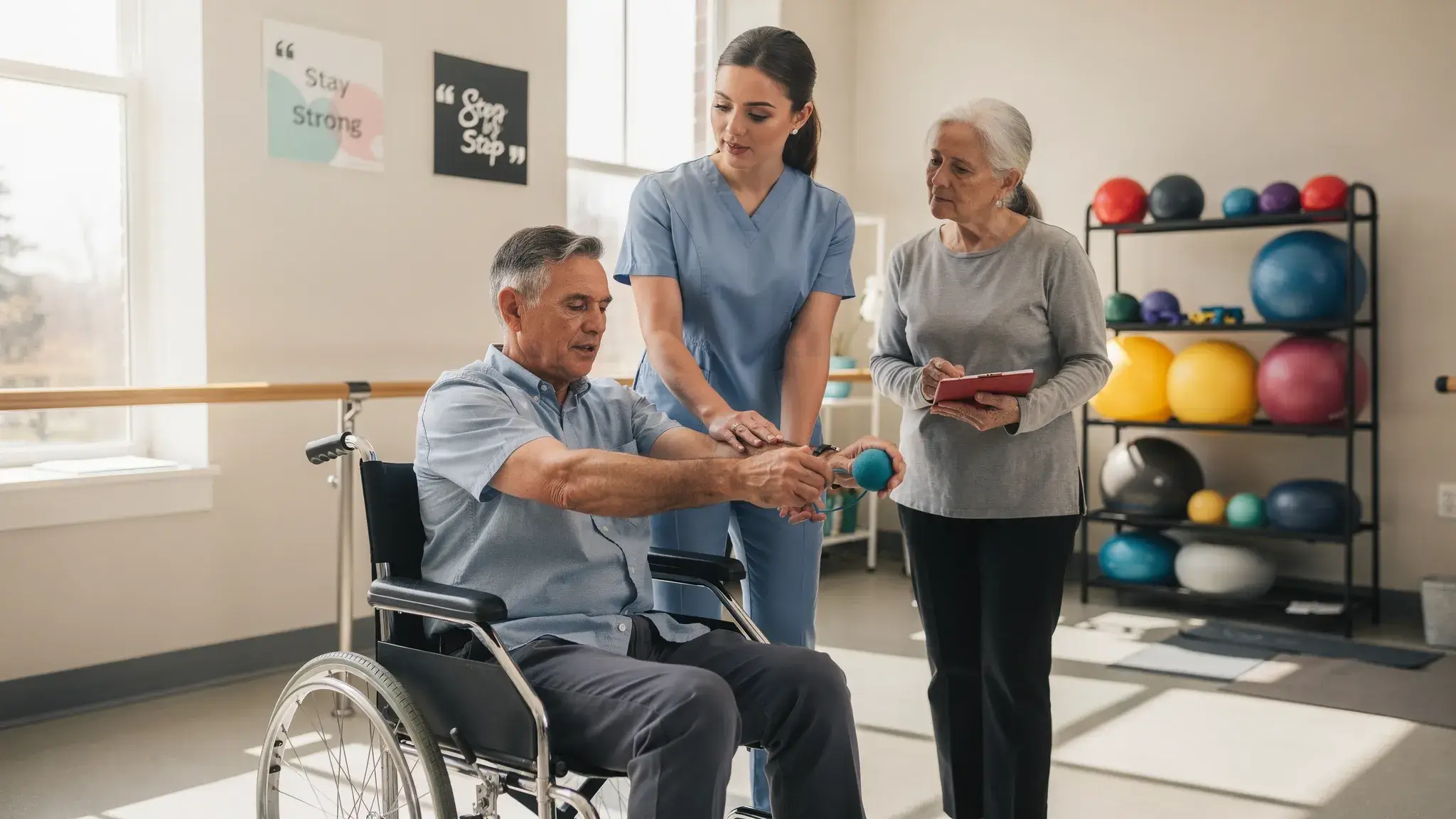
At Bridges Speech Center, stroke management is delivered through a multidisciplinary approach. Depending on the person’s needs, the plan may include speech therapy after stroke, occupational therapy, physiotherapy, swallowing therapy, cognitive-communication therapy and psychological support.
The goal is not only to improve test scores. The goal is to help the person communicate with family, eat more safely, move with confidence and participate in meaningful daily activities.
Why Choose Bridges Speech Center for Post-Stroke Rehabilitation?
Bridges Speech Center in Dubai supports adults with neurological communication and rehabilitation needs in a safe, respectful environment. The team understands that stroke recovery can affect the whole family, not only the patient.
Therapists create individualized goals based on each person’s diagnosis, current abilities, home routine and personal priorities. For one person, the first goal may be saying family names clearly. For another, it may be swallowing safely, walking to the bathroom, dressing independently or returning to social conversation.
The center offers coordinated care across speech therapy, occupational therapy, physiotherapy and psychology. This is important because stroke symptoms often overlap. For example, a person with aphasia may also have right-sided weakness, fatigue, low confidence and difficulty eating.
Benefits of Stroke Management
The benefits of Stroke Management depend on the type and severity of stroke but therapy can support meaningful progress in several areas.
Speech therapy after stroke can help with word-finding, sentence formation, speech clarity, voice strength, conversation skills and alternative communication when needed. It can also support cognitive-communication skills such as attention, memory, planning and problem-solving.
Occupational therapy for stroke patients focuses on daily independence. This may include dressing, feeding, grooming, writing, hand function, visual scanning, home safety and strategies for fatigue management.
Physiotherapy management of stroke supports strength, balance, walking, posture, coordination and safe movement. Therapy may include task-specific practice, mobility training, stretching, strengthening and fall prevention.
Swallowing therapy is important when a person has dysphagia after stroke. A speech-language therapist can assess swallowing safety, recommend strategies and guide exercises when appropriate. This support may reduce choking risk and improve confidence during meals.
How Our Stroke Management Sessions Work
How Our Stroke Management Sessions Work begins with a detailed assessment. The therapist reviews medical history, current symptoms, communication needs, swallowing concerns, mobility level and daily routines. Family input is often helpful because stroke can affect insight, memory or confidence.
After assessment, the therapist sets practical goals. Sessions may include spoken language tasks, speech exercises, swallowing strategies, functional movement practice, hand skill training, daily living activities or caregiver education. Goals are reviewed regularly so therapy stays relevant to real life.
Home practice is usually part of the plan. Short and consistent practice can support neuroplasticity, which is the brain’s ability to form new pathways. Home programs are kept realistic so patients and caregivers can continue safely between sessions.
Who Can Benefit From Post-Stroke Therapy?
Post-stroke rehabilitation may help adults who have experienced any of the following:
- Aphasia that affects speaking, understanding, reading or writing
- Dysarthria that causes slurred, weak or unclear speech
- Apraxia of speech that makes speech planning difficult
- Dysphagia after stroke with coughing, choking or food sticking
- Weakness, stiffness, poor balance or reduced mobility
- Difficulty dressing, eating, bathing or using the affected hand
- Memory, attention, planning or problem-solving changes
- Anxiety, low mood or reduced confidence after stroke
Early therapy is often helpful but support can still be valuable months or years after a stroke. Stroke recovery is highly individual, so progress depends on medical status, severity, consistency and personal goals.
Our Expert Therapists and Personalized Approach
Bridges Speech Center brings together speech-language therapists, occupational therapists, physiotherapists and psychological support professionals. This team-based model helps each person receive care that matches their current needs.
Therapists use functional activities instead of isolated drills alone. A session may practice asking for help, ordering food, swallowing safely, standing from a chair, using a phone, writing a short message or preparing for a family conversation.
Family guidance is also part of care when appropriate. Caregivers may learn how to give enough time for responses, reduce communication pressure, support safe meals and encourage independence without taking over every task.
Book a Stroke Management Consultation with Bridges Speech Center Today
If you or a loved one is experiencing communication, swallowing, movement or daily living changes after stroke, timely rehabilitation can help clarify the next steps. Bridges Speech Center provides individualized support for stroke recovery in Dubai through coordinated speech, occupational, physiotherapy and psychological care.
To request an assessment or learn which therapy pathway may fit your needs, contact us today.