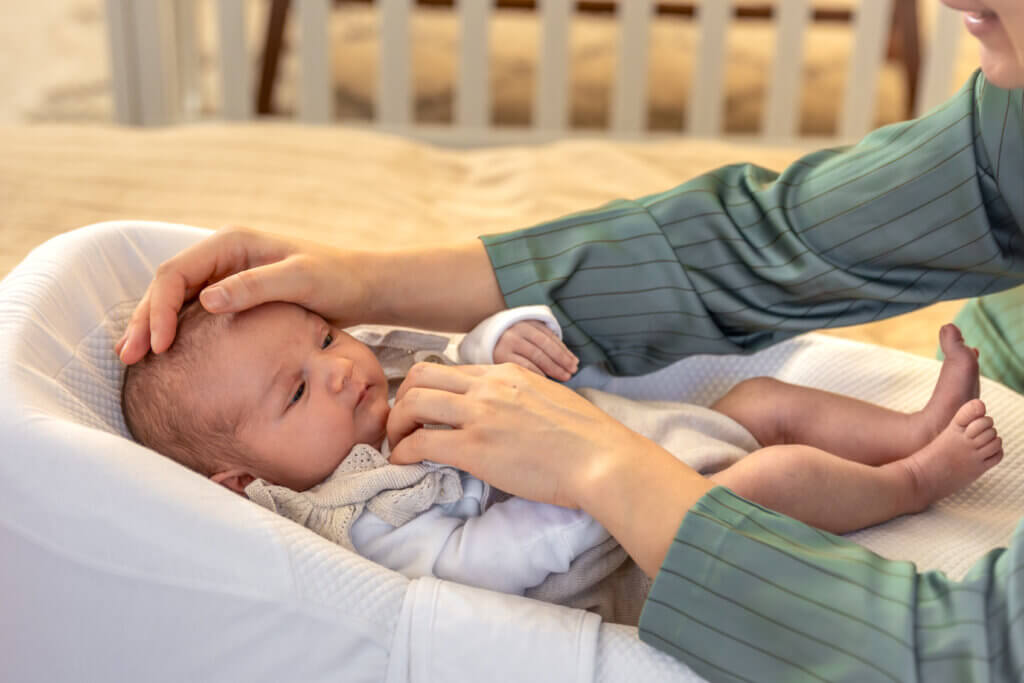
If your baby feels unusually floppy when you hold them, or they’re taking much longer than expected to lift their head, sit up, or roll over, it’s the kind of thing that sits in the back of your mind constantly. You mention it at the paediatrician’s visit. Sometimes you’re told to wait and see. And then, eventually, someone uses the word hypotonia, and suddenly you’re googling at midnight trying to figure out what that even means.
So let’s actually talk about it. What it is, what causes it, and whether therapy, particularly physiotherapy, can genuinely help.
Table of Contents
ToggleWhat Is Hypotonia in Infants?
The short version: hypotonia means low muscle tone. Not weak muscles exactly, but muscles that have less resting tension than usual. Think of it as muscles that are less ready to respond and support movement than expected for a child’s age.
It can show up at birth or become apparent in the first few months of life. And it’s not a diagnosis on its own. It’s more like a sign pointing toward something else, which could be a genetic condition like Down syndrome or Prader-Willi syndrome, a neurological issue, a metabolic disorder, or in a fair number of cases, nothing identifiable at all. That last category is frustrating for parents, understandably so, because “we don’t know why” is not a satisfying answer.
What it isn’t: a sentence. Hypotonia in infants looks different from child to child, and the range of outcomes is wide.
Why Does It Matter Beyond Just Muscle Tone?
Here’s the thing about hypotonia, it doesn’t stay neatly in one box. It tends to affect more than just how a baby holds their body.
Feeding is often the first challenge. Sucking, swallowing, coordinating breath while eating, all of that requires muscle control. Babies with hypotonia frequently struggle to latch, tire out quickly during feeds, or have trouble transitioning to solids later on.
Then come the motor milestones. Sitting without support. Standing. Eventually walking. These things take longer, sometimes significantly longer.
And speech. This is something parents don’t always expect. The muscles involved in forming sounds and controlling airflow are affected too. So many children with hypotonia benefit not just from physiotherapy but from speech therapy running alongside it. Speech therapy in Dubai, particularly at centres that take a whole-child approach, addresses exactly this kind of overlap.
Hypotonia Baby Symptoms: What Does It Actually Look Like?
There’s no single presentation. But some patterns come up consistently enough to be worth knowing.
Postural and Movement Signs
- Baby feels limp or unusually heavy when you pick them up
- Head control is poor or absent past the 3-4 month mark
- Rolling, sitting, crawling all delayed
- Sitting in a “W” position with legs splayed out to either side for stability
- Joints that seem to bend further than they should
Feeding and Oral Signs
- Weak suck, or tiring mid-feed
- Difficulty latching
- Drooling that persists beyond what’s typical for their age
- Resistance to textured foods later on
Energy and Engagement
- Gets tired much faster than other kids during play
- Prefers staying still over exploring
- May seem less driven to move around or try new positions
Not every child will have all of these. Some will have just a few. But if several of these feel familiar, it’s worth getting an assessment rather than waiting it out.
What Causes Hypotonia?
Hypotonia causes vary a lot, which is part of why it can take time to pin down. Some are identified early through genetic testing. Others only become clear through neurological workups or imaging.
Category | Examples |
Genetic conditions | Down syndrome, Prader-Willi syndrome, Williams syndrome |
Neurological conditions | Cerebral palsy, spinal muscular atrophy |
Metabolic disorders | Hypothyroidism, mitochondrial disease |
Connective tissue conditions | Ehlers-Danlos syndrome |
Idiopathic (unknown) | No identifiable underlying cause |
The cause matters because it shapes what therapy looks like and what to realistically expect. But, and this is important, not having a cause yet should not delay starting intervention. The brain is most responsive early. Waiting for a definitive answer while that window narrows is one of the things families later wish they had done differently.
The Misconceptions That Keep Coming Up
One thing parents run into fairly often is months of being told their child will catch up on their own. And sometimes children do. But often, that reassurance costs time.
There’s also the question of whether hypotonia is a disability. Honestly, it depends. For some children it’s mild, manageable, and responds well to therapy. For others, especially where there’s an underlying genetic or neurological condition, it does require ongoing support and may meet the formal threshold. But hypotonia is not automatically an intellectual disability. Many children with low muscle tone are completely typical cognitively. The two things are separate.
Can Physiotherapy Actually Help?
Yes. Genuinely, yes.
Physiotherapy for hypotonia in infants focuses on building the physical foundations that low muscle tone has made harder to develop naturally. A good physiotherapist working with a young child is not doing anything intimidating. It’s play-based, it’s led by the child’s comfort level, and it’s structured around what that specific child needs.
The areas typically covered include:
- Postural control: Helping the child develop core stability so they can sit, stand, and move with proper alignment
- Strength building: Activating specific muscle groups through movement activities that feel like play
- Motor sequencing: Supporting the child through natural developmental stages in a way that helps the nervous system build those patterns
- Sensory processing: Many children with hypotonia also have differences in how they process proprioceptive input, which affects how engaged their muscles are. Physiotherapy addresses this directly
- Parent coaching: What happens between sessions matters as much as the sessions themselves. Physiotherapists work with families on how to support development at home
At Bridges Speech Center in Dubai, physiotherapy sits alongside occupational therapy, speech therapy, ABA therapy, and psychology in a genuinely integrated model. Children with hypotonia often need more than one type of support, and having those teams communicate with each other, rather than working in separate silos, is where the difference really shows.
What This All Comes Down To
Hypotonia in infants is not a closed door. It’s a signal that your child’s development needs a bit more attention and the right kind of support to move forward.
Physiotherapy builds the motor foundations. Speech therapy addresses the communicative and oral-motor layers. Occupational therapy fills in the daily function gaps. And when these work together, as they do at Bridges Speech Center in Dubai, children tend to make progress that parents didn’t always believe was possible when they first got the diagnosis.
If any of this sounds like your child, a developmental assessment is the right first step. Not to confirm your worst fears, but to understand clearly where your child is and what they need.
Contact us to book an assessment. Early support makes a real difference.
Frequently Asked Questions
What is hypotonia in infants?
Hypotonia in infants refers to low muscle tone, which makes a baby feel unusually floppy or less resistant to movement. It can affect posture, feeding, motor development, and coordination, and may be linked to various underlying conditions.
What are the common symptoms of hypotonia in babies?
Common symptoms include poor head control, delayed rolling or sitting, difficulty feeding, weak muscle strength, excessive flexibility in joints, and tiring easily during physical activities.
Can hypotonia be cured?
Hypotonia itself is not always curable, as treatment depends on the underlying cause. However, early intervention through physiotherapy, occupational therapy, and speech therapy can help children improve their motor skills, strength, and overall development.
How does physiotherapy help infants with hypotonia?
Physiotherapy helps improve muscle strength, posture, balance, coordination, and motor skills. Through play-based activities and targeted exercises, physiotherapists support children in reaching developmental milestones more effectively.