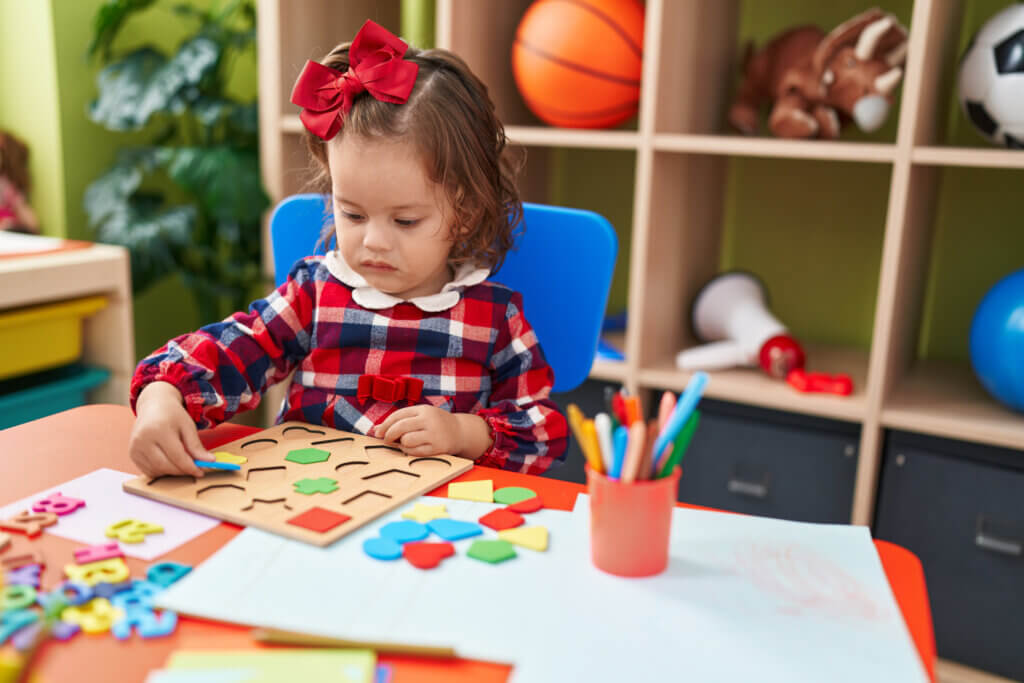
Starting school is a big milestone. For many parents, it comes with a mix of excitement and a few worries too. Will my child make friends? Can they follow instructions? Are they ready to learn in a classroom setting?
These questions are completely normal. In fact, when people think about getting children ready for school, they often focus on academics. Knowing letters, numbers, and colors certainly helps. But there is much more to school readiness for preschoolers than simply recognizing the alphabet.
A child who can communicate their needs, follow simple directions, interact with peers, and manage basic daily tasks often has an easier transition into school life. That’s why educators and therapists increasingly focus on the whole child rather than academic skills alone.
Let’s take a closer look at the essential abilities that support early childhood school readiness and how parents can help build them before the first day of school.
Table of Contents
ToggleWhat Does School Readiness Really Mean?
Many people assume school readiness means being able to read, write, or count. While those skills are valuable, readiness goes much deeper.
School readiness for preschoolers refers to a child’s ability to participate successfully in a classroom environment. This includes social, emotional, communication, cognitive, and physical development.
A school-ready child is not necessarily the smartest child in the room. They are often the child who can adapt, engage, and learn alongside others.
Why School Readiness Matters
The transition from home or preschool to formal schooling can feel overwhelming for some children.
School introduces new expectations:
- Following routines
- Taking turns
- Listening to instructions
- Working independently
- Managing emotions
- Communicating with teachers and classmates
When children develop strong school readiness skills, they often feel more confident and comfortable in these situations.
Research continues to show that children who enter school with strong foundational skills are more likely to experience positive academic and social outcomes in the years ahead.
Essential School Readiness Skills Every Preschooler Needs
School readiness involves several developmental areas working together.
1. Communication and Language Skills
Communication is one of the most important parts of school readiness for preschoolers.
Children should be able to:
- Express basic wants and needs
- Understand simple instructions
- Answer age-appropriate questions
- Participate in conversations
- Listen when others are speaking
Strong communication skills help children engage with teachers, make friends, and participate in classroom activities.
For children experiencing speech or language difficulties, early intervention can make a significant difference. Services such as speech therapy Dubai programs can support language development before school begins.
2. Social Skills
School involves constant interaction with others.
Children benefit from learning how to:
- Share materials
- Take turns
- Cooperate during group activities
- Respect personal space
- Build friendships
Some children naturally pick up these skills. Others need more practice and guidance.
Playdates, group activities, and structured preschool experiences can all help strengthen social confidence.
3. Emotional Regulation
Let’s be honest. Even adults sometimes struggle with managing emotions.
Young children are still learning how to handle frustration, disappointment, excitement, and anxiety.
A child does not need perfect self-control before starting school. However, they should begin developing the ability to:
- Cope with small challenges
- Recover from disappointment
- Wait for their turn
- Follow simple classroom expectations
These abilities contribute significantly to successful early childhood school readiness.
4. Attention and Listening Skills
Classrooms require children to focus for short periods and listen to directions.
Important listening skills include:
- Paying attention during group activities
- Following one or two-step instructions
- Responding when spoken to
- Staying engaged during stories
Children develop these abilities gradually through everyday experiences such as reading books, playing games, and participating in family routines.
5. Fine Motor Skills
Fine motor development is often overlooked when discussing school readiness skills.
These small muscle movements support activities like:
- Holding a pencil
- Using scissors
- Drawing shapes
- Turning book pages
- Managing clothing fasteners
Many simple activities can strengthen fine motor skills before school begins.
School Readiness Skills at a Glance
Development Area | Examples of Skills |
Communication | Speaking clearly, following directions |
Social Skills | Sharing, turn-taking, teamwork |
Emotional Development | Managing frustration, adapting to change |
Attention | Listening, staying focused |
Fine Motor Skills | Pencil grasp, cutting, drawing |
Independence | Dressing, toileting, self-care |
How to Prepare Preschoolers for School
Many parents wonder exactly how to prepare preschoolers for school without turning every day into a lesson.
The good news is that school readiness can be developed naturally through daily routines and play.
Encourage Independence
Simple tasks help build confidence.
Allow children to:
- Put on their shoes
- Pack their backpack
- Wash their hands
- Clean up toys
- Feed themselves
These small responsibilities teach valuable life skills.
Read Together Every Day
Reading supports language, attention, and early literacy development.
Ask questions during stories.
Talk about pictures.
Encourage your child to predict what might happen next.
These conversations strengthen communication skills that support school readiness for preschoolers.
Create Consistent Routines
Children thrive on predictability.
Regular routines for meals, bedtime, and activities help children feel secure and understand expectations.
This can make the transition into school routines much smoother.
Preschool Readiness Activities Parents Can Try at Home
Parents don’t need expensive materials or complicated programs.
Many effective preschool readiness activities are surprisingly simple.
Matching Games
These improve attention, memory, and problem-solving skills.
Pretend Play
Playing school, grocery store, or restaurant helps develop language and social interaction.
Arts and Crafts
Drawing, coloring, cutting, and gluing support fine motor development.
Story Time Discussions
Talking about stories encourages vocabulary growth and listening skills.
Board Games
Simple games teach turn-taking, patience, and following rules.
These types of preschool readiness activities often feel like fun while supporting meaningful learning.
The Growing Importance of School Readiness Programs
More families are exploring structured support before kindergarten.
A school readiness program helps children develop the skills needed for a successful transition into school.
These programs often focus on:
- Communication
- Social interaction
- Attention skills
- Emotional regulation
- Independence
- Early learning foundations
A well-designed school readiness program can be especially beneficial for children who need additional support in one or more developmental areas.
At Bridges Speech Center, therapists understand that readiness involves much more than academics. Communication, social confidence, and emotional development all play important roles in helping children thrive.
When Should Parents Seek Extra Support?
Every child develops at their own pace.
However, additional support may be helpful if a child has difficulty with:
- Understanding instructions
- Expressing thoughts clearly
- Interacting with peers
- Managing emotions
- Maintaining attention
- Completing age-appropriate self-care tasks
Early intervention often provides children with valuable opportunities to build confidence before starting school.
Professionals offering speech therapy services can assess communication skills and recommend strategies tailored to a child’s specific needs.
Latest Trends in School Readiness
School readiness has evolved significantly over the past few years.
Current approaches place greater emphasis on:
Social and Emotional Learning
Schools increasingly recognize that emotional well-being supports academic success.
Play-Based Learning
Learning through play continues to be one of the most effective ways to develop foundational skills.
Parent Involvement
Families are becoming active partners in supporting readiness at home.
Individualized Support
Many programs now tailor activities to each child’s strengths and challenges rather than using a one-size-fits-all approach.
Conclusion
Preparing for school isn’t about creating a child who already knows everything. It’s about helping them feel confident, capable, and ready to learn.
Strong communication abilities, social confidence, emotional regulation, attention skills, and independence all contribute to successful school readiness for preschoolers. These foundational skills help children adapt to new environments, build relationships, and participate meaningfully in classroom life.
Every child develops at their own pace. With encouragement, practice, and the right support, children can build the skills they need to begin school with confidence.
If you have concerns about your child’s communication or developmental skills, the team at Bridges Speech Center can help. Our experienced professionals provide assessments and therapy services that support children as they prepare for important milestones, including the transition to school.
Frequently Asked Questions
What age should children start developing school readiness skills?
School readiness begins long before kindergarten. Many foundational skills develop during the preschool years through play, daily routines, and social interactions.
What are the most important school readiness skills?
Communication, social interaction, emotional regulation, attention, independence, and fine motor development are among the most important school readiness skills.
How can parents support school readiness at home?
Reading together, encouraging independence, establishing routines, and engaging in preschool readiness activities can all help prepare children for school.
What is a school readiness program?
A school readiness program is designed to help children develop the communication, social, emotional, and learning skills needed for a successful transition into school.