

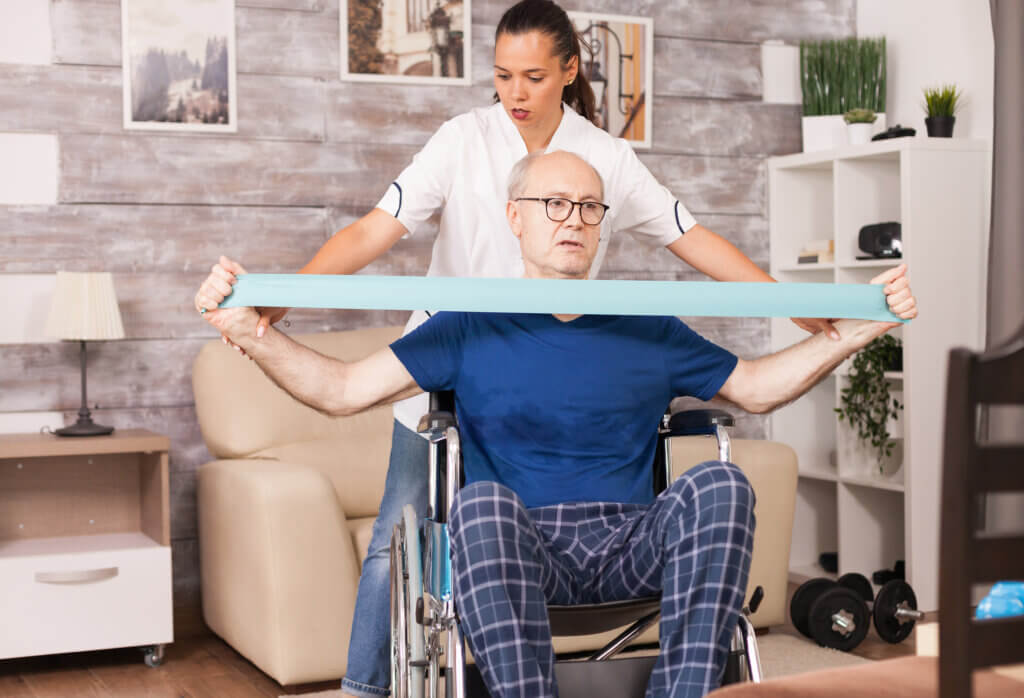
Living with Multiple Sclerosis is not always predictable. Some days feel manageable. Other days, even simple movements take effort. That is exactly why Multiple Sclerosis Rehabilitation matters. It is not just about exercises or therapy sessions. It is about holding on to independence, adapting to change, and finding ways to keep moving forward.
If you or someone close to you is navigating MS, rehabilitation becomes less of an option and more of a steady support system.
Table of Contents
ToggleWhat is Multiple Sclerosis Rehabilitation?
At its core, Multiple Sclerosis Rehabilitation focuses on helping individuals manage symptoms, improve function, and stay independent for as long as possible. It is not a one-size plan. It shifts depending on symptoms, stage, and daily challenges.
This includes:
- Physical strength and balance training
- Communication and swallowing support
- Daily living skill improvement
- Cognitive and emotional support
You will often see a mix of therapies working together rather than one single approach.
Why Rehabilitation Matters in MS
MS affects the central nervous system. That means movement, coordination, speech, swallowing, even memory can be impacted. Some changes are gradual. Others appear suddenly.
Without the right support, these changes can slowly reduce independence. That is where rehabilitation for multiple sclerosis patients becomes essential.
Rehabilitation helps to:
- Slow down functional decline
- Improve strength and flexibility
- Reduce fatigue impact
- Support safer movement and swallowing
- Build confidence in daily tasks
It is not about reversing MS. It is about adapting better.
Key Therapies in Multiple Sclerosis Rehabilitation
1. Physiotherapy for Multiple Sclerosis
Physiotherapy for multiple sclerosis focuses mainly on movement. But it is more layered than that.
Therapists work on:
- Balance and coordination
- Muscle strength
- Walking patterns
- Posture and flexibility
For someone with MS, walking across a room can sometimes feel like navigating uneven ground. Physiotherapy helps make those movements smoother and safer.
It also plays a big role in maintaining mobility in multiple sclerosis, especially as symptoms fluctuate.
2. Occupational Therapy for MS Patients
Occupational therapy for MS patients is where things get practical. It focuses on daily life. The small things that quietly define independence.
This includes:
- Dressing, bathing, cooking
- Hand coordination and fine motor skills
- Energy conservation techniques
- Home and workplace adaptations
Sometimes the goal is not to do things the same way as before. It is to find a way that works now.
3. Speech and Swallowing Therapy
MS can affect speech clarity, voice strength, and swallowing. These changes are often overlooked at first.
Speech therapy helps with:
- Clear communication
- Breath control for speaking
- Swallowing safety
- Cognitive communication skills
Centers like Bridges Speech Center provide structured support in this area. For many adults, this kind of therapy quietly restores confidence in social and daily interactions.
A Multidisciplinary Approach Works Best
No single therapy covers everything. That is why Multiple Sclerosis Rehabilitation usually involves a team.
Therapy Type | Focus Area | Benefit |
Physiotherapy | Strength and mobility | Better balance and walking |
Occupational Therapy | Daily activities | Improved independence |
Speech Therapy | Communication and swallowing | Safer eating and clearer speech |
Psychological Support | Emotional health | Better coping and motivation |
When these therapies work together, progress feels more connected and realistic.
Maintaining Mobility in Multiple Sclerosis
Mobility is often one of the biggest concerns. It affects independence directly.
Here are a few ways therapists approach maintaining mobility in multiple sclerosis:
- Regular guided exercise routines
- Stretching to reduce stiffness
- Assistive devices when needed
- Fatigue management strategies
The tricky part is balance. Too much activity can lead to fatigue. Too little can reduce strength. Rehabilitation helps find that middle ground.
Home-Based vs Clinic Rehabilitation
Not every therapy has to happen in a clinic.
Home-based rehabilitation for multiple sclerosis patients works well for:
- Individuals with limited mobility
- Fatigue-sensitive routines
- Real-life practice like walking indoors or managing stairs
Clinic sessions, on the other hand, provide:
- Structured environments
- Access to specialized equipment
- Multidisciplinary coordination
Many people actually benefit from a mix of both.
Challenges in MS Rehabilitation
Let’s be honest. Progress is not always linear.
Some common challenges include:
- Fatigue that interrupts routines
- Fluctuating symptoms
- Emotional stress or frustration
- Slow visible progress
This is where consistency matters more than intensity. Small improvements still count.
The Role of Support Systems
Rehabilitation is not just about therapists. Family plays a big role too.
Support can look like:
- Encouraging practice at home
- Being patient with communication
- Helping maintain routines
- Not rushing the process
Even small understanding shifts can make daily life easier.
How Bridges Speech Center Supports MS Rehabilitation
Bridges Speech Center in Dubai offers a combination of therapies that support adults with neurological conditions like MS.
Their services include:
- Speech and language therapy
- Swallowing and feeding therapy
- Physiotherapy and rehabilitation
- Occupational therapy
- Home care therapy options
Having multiple services under one roof can simplify care. It also helps keep therapy goals aligned.
When Should You Start Rehabilitation?
The short answer is early.
Even mild symptoms can benefit from intervention. Waiting until challenges become severe can make progress slower.
Signs to consider starting Multiple Sclerosis Rehabilitation:
- Changes in walking or balance
- Increased fatigue during daily tasks
- Speech or swallowing difficulties
- Reduced coordination
- Difficulty managing routine activities
Early support often leads to better long-term outcomes.
Conclusion
Multiple Sclerosis Rehabilitation is not about fixing everything. That is not realistic. But it does something equally important. It helps people adapt, adjust, and stay independent in ways that still feel meaningful.
From physiotherapy for multiple sclerosis to occupational therapy for MS patients, each approach adds a layer of support. Together, they create a system that helps individuals keep moving, communicating, and living with more confidence.
If you or a loved one is dealing with MS, exploring rehabilitation for multiple sclerosis patients can be a strong next step. Centers like Bridges Speech Center offer structured care that fits real-life needs.
Taking that first step might feel uncertain. But it is often where things start to feel a little more manageable.
Frequently Asked Questions
What is the goal of Multiple Sclerosis Rehabilitation?
The main goal is to maintain independence, improve mobility, and manage symptoms through therapy and support.
How often should MS patients attend rehabilitation sessions?
It depends on individual needs. Some may need multiple sessions weekly while others follow a flexible plan.
Can physiotherapy really help in MS?
Yes, physiotherapy for multiple sclerosis improves strength, balance, and walking ability, which are key for daily life.
Is occupational therapy necessary for MS patients?
Occupational therapy for MS patients helps with daily activities and energy conservation, making everyday tasks easier.
Is home-based rehabilitation effective for MS?
Yes, home-based rehabilitation for multiple sclerosis patients can be very effective, especially for practicing real-life routines and managing fatigue.