
If you’ve recently heard the word Osteoporosis in a diagnosis or even just in a casual doctor visit, chances are your first thought was simple and a bit urgent: can osteoporosis be reversed?
It’s a fair question. And honestly, the answer isn’t a clean yes or no. It sits somewhere in the middle, which can feel frustrating. But once you understand what’s actually happening inside your bones, things start to make more sense.
Let’s break it down without overcomplicating it.
Table of Contents
ToggleWhat Is Osteoporosis Really?
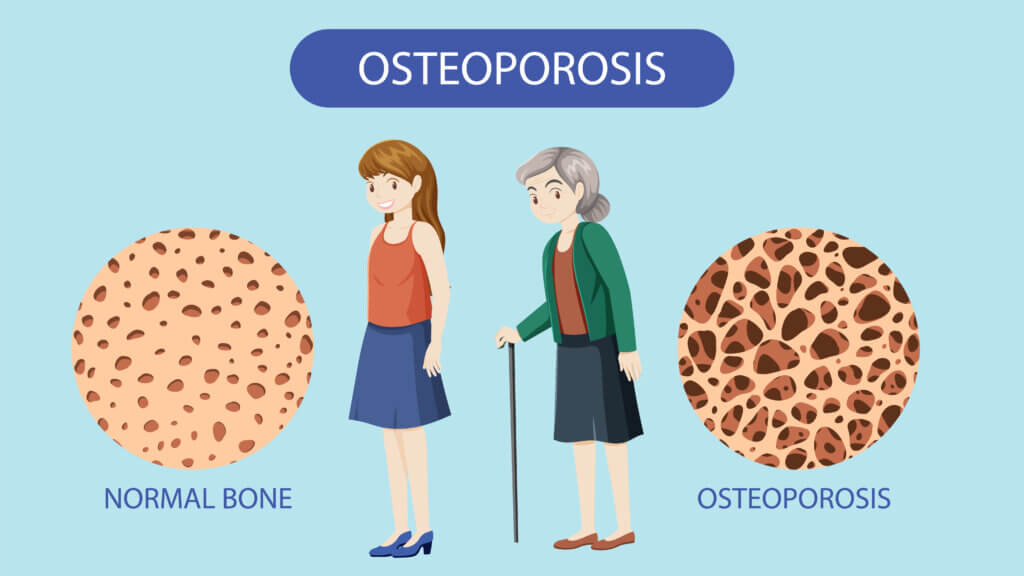
Osteoporosis is basically when bones lose density and become fragile. Think of your bones like a sponge. A healthy one is dense and strong. With osteoporosis, that sponge gets more porous, weaker, easier to break.
This doesn’t happen overnight. It’s slow. Quiet. Most people don’t even notice it until something cracks or hurts.
Can Osteoporosis Be Reversed?
Here’s the honest version:
Osteoporosis usually cannot be fully reversed, but it can absolutely be managed and improved.
That might sound like bad news at first, but it isn’t entirely. With the right approach, bone loss can slow down. In some cases, bone density can even improve a bit.
So instead of asking only can osteoporosis be reversed, it helps to ask:
How much can I improve my bone health from here?
That shift matters.
Common Myths About Osteoporosis
Let’s clear a few things up because there’s a lot of mixed information out there.
Myth 1: Only older people get it
Not exactly. Age increases risk, yes. But younger adults can develop it too, especially with poor nutrition, hormonal issues, or inactivity.
Myth 2: If you drink milk, you’re safe
Calcium helps, but it’s not the whole story. Bone health needs more than just one nutrient.
Myth 3: Nothing helps once it starts
This one is simply not true. There are several osteoporosis treatment options that can make a real difference.
Early Signs of Osteoporosis
This is where things get tricky. The early signs of osteoporosis are often subtle or completely silent.
Still, there are a few things to watch:
- Gradual loss of height
- Back pain without a clear reason
- A stooped posture
- Bones that fracture more easily than expected
Most people only find out after a minor fall leads to a fracture. That’s why screenings matter, especially if you’re at risk.
Osteoporosis Treatment Options
There’s no single fix. Treatment usually combines different approaches.
A quick look:
Treatment Type | What It Does | Who It Helps Most |
Medications | Slows bone loss or builds bone | Moderate to severe cases |
Calcium & Vitamin D | Supports bone strength | Almost everyone |
Weight-bearing exercise | Improves bone density gradually | Early to moderate stages |
Lifestyle changes | Reduces further bone damage | All stages |
Doctors usually tailor these based on age, severity, and overall health.
How to Strengthen Bones Naturally
This is where you actually have more control than you might think.
If you’re wondering how to support your body beyond medications, here’s what helps.
1. Move your body, regularly
Walking, light jogging, even climbing stairs. Bones respond to stress by getting stronger. It’s slow, but it works.
2. Eat for your bones
Not just calcium. You need magnesium, protein, vitamin K. A balanced diet matters more than a single “superfood.”
3. Get some sunlight
Vitamin D plays a huge role in calcium absorption. Without it, calcium doesn’t do much.
4. Cut down on habits that weaken bones
Smoking, excess caffeine, too much alcohol. These quietly undo your efforts.
When people ask can osteoporosis be reversed naturally, this is usually what they mean. And while “reversed” may not be the perfect word, these steps definitely help strengthen bones naturally over time.
Where Therapy and Support Come In
This might feel slightly unexpected, but bone health doesn’t exist in isolation.
At Bridges Speech Center, which is known for speech therapy Dubai services, there’s often a broader focus on overall well-being. Especially for children with developmental conditions or adults recovering from neurological issues, movement, coordination, and posture all play a role in long-term physical health.
Weak posture, poor muscle tone, limited mobility, these can indirectly affect bone strength over time.
So while the center focuses on communication, the ripple effects go further than just speech.
What Science Says Right Now
Research is slowly shifting. Earlier, the belief was that once bone density drops, that’s it. No going back.
Now, there’s more nuance.
- Some medications can stimulate bone formation
- Strength training shows measurable improvements in bone density
- Nutrition-based interventions are getting more attention
So again, if you’re asking can osteoporosis be reversed, the updated answer is:
Not completely, but improvement is very possible with consistent effort.
Practical Tips That Actually Help
Not everything needs to be complicated.
- Start small with exercise. Even 15 minutes a day counts
- Don’t rely only on supplements. Food matters more
- Get a bone density test if you’re at risk
- Stay consistent. This is not a quick-fix situation
Honestly, consistency beats intensity here.
Conclusion
So, can osteoporosis be reversed? Not in the way people usually hope. But that doesn’t mean you’re stuck.
You can slow it down. You can improve bone strength. You can reduce the risk of fractures. And in many cases, you can live without major limitations.
It’s less about reversing and more about rebuilding what you can and protecting what’s left.
If you or a loved one are dealing with related developmental or physical challenges, getting the right support matters. You can reach out to Bridges Speech Center for guidance that goes beyond just speech therapy Dubai services.
Take the next step and connect with us. Sometimes, small consistent steps add up to something meaningful. Even when progress feels slow.
Frequently Asked Questions
Can osteoporosis be reversed completely?
No, full reversal is rare. But bone density can improve and further loss can be slowed with proper care.
What are the early signs of osteoporosis?
Often there are no clear symptoms. Subtle signs include height loss, back pain, or easy fractures.
What are the best osteoporosis treatment options?
A mix of medication, diet, exercise, and lifestyle changes works best. It depends on the individual.
How to strengthen bones naturally without medication?
Regular weight-bearing exercise, a nutrient-rich diet, sunlight exposure, and avoiding harmful habits can help significantly.