

Every family reaches a point where getting to appointments feels like another full time job. Add sensory overload, mobility limitations, school schedules or caregiver burnout and even the best therapy plan can become hard to follow.
That is why many families in Dubai ask a practical question: is Occupational Therapy at Home the right choice right now? For some, it is the missing piece that turns goals into real daily progress. For others, a clinic setting or a hybrid plan works better.
Occupational Therapy at Home: A Clear Decision Guide for Families
Occupational therapy (OT) supports the skills we use to live, learn, work and participate in daily life. Depending on your family’s needs, it may focus on self care routines, fine motor skills, handwriting, sensory regulation, feeding skills, mobility habits, safety at home or cognitive strategies.
With Occupational Therapy at Home, the therapist brings those goals into your real environment. Instead of practicing “life skills” in a clinic room, your child practices dressing where the clothes are. An adult practices kitchen safety in their own kitchen. A teen practices organization using their own school bag and study space.
For a helpful overview of OT basics, you can also read Bridges Speech Center’s guide on occupational therapy.
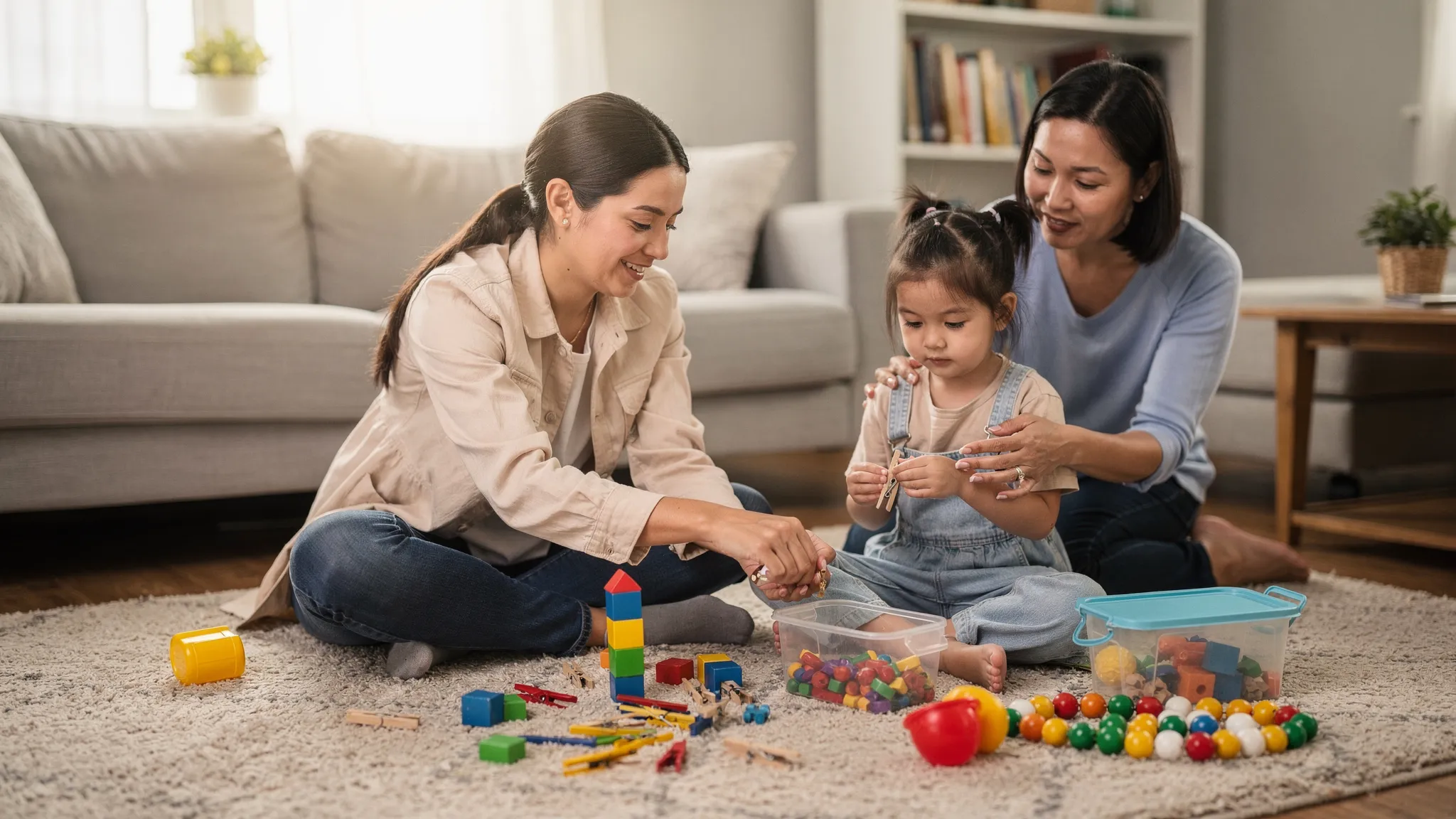
Why families choose Occupational Therapy at Home in Dubai
Families usually consider Occupational Therapy at Home for one of two reasons: access or outcomes.
Access is straightforward. Home sessions reduce travel time and missed appointments. Outcomes are more interesting. Research and clinical experience show that skills generalize faster when practice happens in the same environment where the skill is needed.
In Dubai, this model is often part of broader home care therapy services that can also include physiotherapy and speech therapy when needed.
Signs Occupational Therapy at Home may be the right choice
The clearest indicator is not a diagnosis. It is whether the home setting removes barriers or improves carryover.
Does your child struggle most in real routines, not in structured settings?
If your child can “do it” in a clinic but cannot do it during morning routines, homework time or mealtimes, Occupational Therapy at Home can be a strong fit.
Common examples include:
- Difficulty with dressing, toothbrushing, utensil use or transitions
- Hand fatigue during writing only at school or at the dining table
- Sensory meltdowns triggered by specific home routines (bath time, hair care, clothing textures)
Because the therapist can observe triggers and supports in real time, Occupational Therapy at Home often leads to more specific solutions.
Is sensory processing a major factor in daily life?
Home based OT can be especially helpful when sensory challenges are tied to specific household spaces (bathroom echoes, kitchen smells, certain lighting). The therapist may recommend practical environmental changes and a sensory routine that fits your home.
If sensory needs are part of your goals, you may also find it useful to explore Bridges Speech Center’s page on sensory integration.
Is travel medically or emotionally difficult?
Occupational Therapy at Home can be appropriate when:
- A child has significant anxiety about leaving home
- A person is recovering from surgery, injury or neurological changes
- A caregiver cannot safely transport the client
This can apply across the lifespan, including pediatric needs and adult rehabilitation.
Do you need parent coaching that fits your household?
Many families do not just need exercises. They need a realistic plan that fits school drop offs, siblings, screen time boundaries and sleep routines.
A major advantage of Occupational Therapy at Home is coaching in the moment. The therapist can show you exactly how to set up the task, how to prompt without over helping and how to build practice into daily life.
Home vs clinic OT: which setting fits which goals?
Both models can be effective. The best choice depends on the skill you are targeting and what makes practice consistent.
| Goal or situation | Often best in clinic | Often best with Occupational Therapy at Home |
|---|---|---|
| Building rapport and structured skill practice | Yes, especially early on | Sometimes, if the client is more comfortable at home |
| Home routines (dressing, bathing, mealtimes, sleep routines) | Possible but less direct | Yes, direct practice in the real environment |
| Home safety, fall prevention, equipment setup | Limited | Yes, because the environment is part of the goal |
| Sensory challenges triggered by household routines | Sometimes | Often, because triggers are observable |
| Specialized equipment needs | Often | Sometimes, depending on the provider and plan |
| Generalization from therapy to daily life | Requires home program follow through | Often faster because practice happens in context |
A hybrid plan is common: clinic sessions for specific skill building plus Occupational Therapy at Home to transfer those skills into routines.
When clinic based OT may be a better first step
Occupational Therapy at Home is not always the best starting point.
A clinic can be preferable when:
- You need access to specialized tools or a structured sensory gym
- The home environment is too distracting for learning right now
- The client needs separation from home routines to focus
- You want intensive sessions that are easier to schedule back to back
Many families in occupational therapy Dubai services use both models at different stages, especially during transitions such as starting school or recovering after a medical event.
Who benefits most from Occupational Therapy at Home?
Young children and school age kids
For children, Occupational Therapy at Home often focuses on functional skills that affect school readiness and independence such as:
- Fine motor control (grasp, cutting, coloring, early handwriting)
- Daily living skills (feeding, toileting support, dressing steps)
- Emotional regulation routines and sensory strategies
- Attention and task completion in real home study spaces
If you are also managing communication goals, combining OT with Speech therapy Dubai services can support better participation in play, learning and social routines.
For general milestone guidance, many families also use the CDC developmental milestones as a starting reference, then seek an individualized evaluation when concerns appear.
Teens
Teens may benefit from Occupational Therapy at Home when goals involve independence and real life planning, for example:
- Study skills, planning and organization
- Morning routine independence
- Social participation strategies that reduce overwhelm
Adults and older adults
Adults often choose Occupational Therapy at Home after stroke, injury, chronic pain or age related changes when the goal is safer daily living.
Home OT goals may include:
- Energy conservation and pacing for fatigue
- Cognitive strategies for memory and routines
n- Home safety and fall prevention habits
In occupational therapy Dubai settings, OT is frequently coordinated with physiotherapy and sometimes speech services when cognition, swallowing or communication are affected.
What to expect during Occupational Therapy at Home sessions
A quality home OT plan should still be clinical and measurable.
Most pathways include:
- Initial assessment of strengths, challenges and daily routines
- Goal setting that focuses on functional outcomes
- Task based therapy activities using household items plus simple therapy tools
- Caregiver training and a realistic home program
- Progress checks with updated goals as skills improve
At Bridges Speech Center, families can explore home based options through the dedicated home care services page.
If you want to understand what a structured OT evaluation looks like before starting, this overview of comprehensive occupational therapy assessments in Dubai can help you prepare.
How to prepare your home for better outcomes
You do not need a “therapy house.” Small changes make the biggest difference.
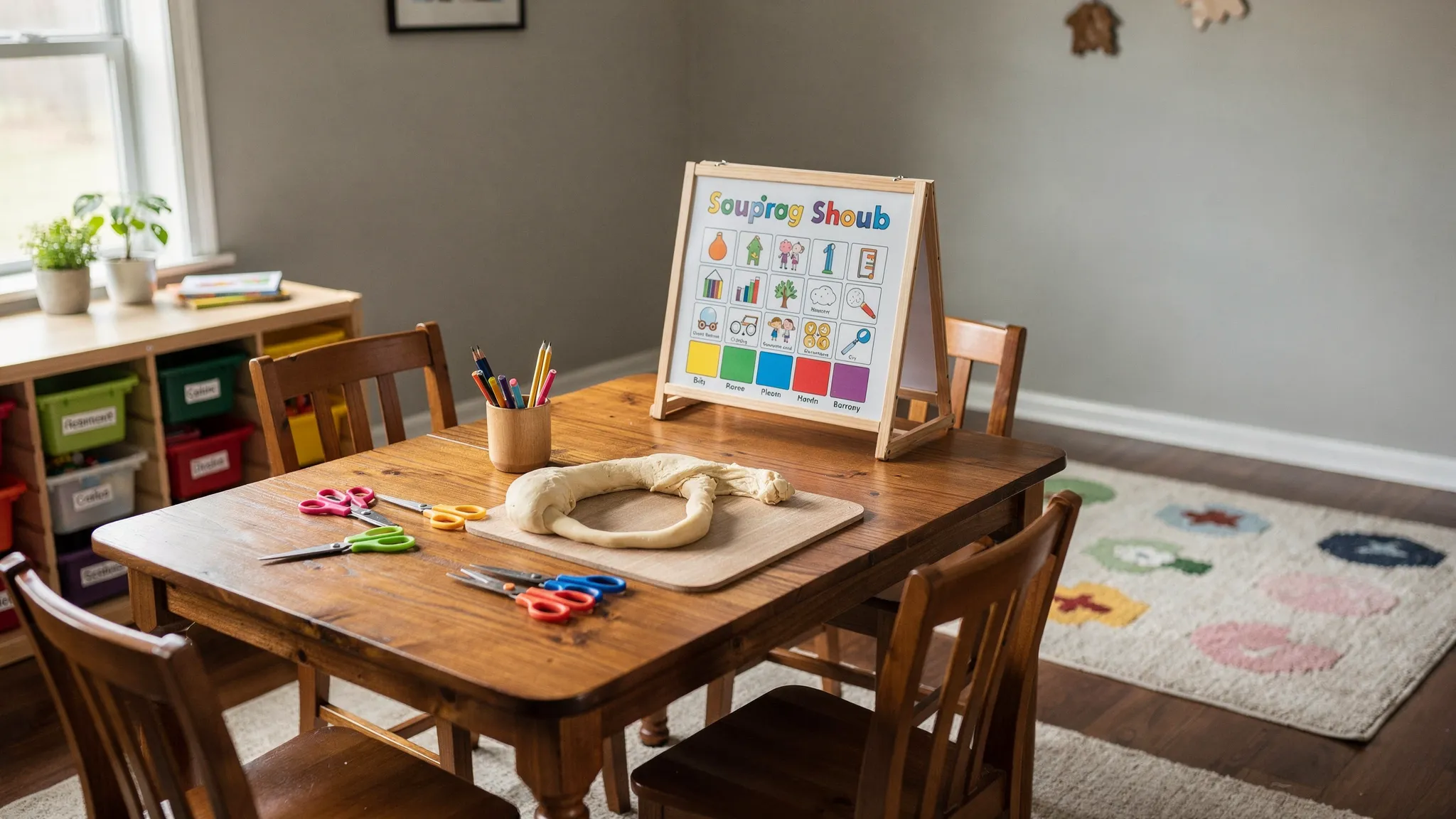
Set up one simple therapy zone
Pick a consistent space for sessions and short daily practice. A dining table corner or a quiet floor area works well.
Make routines visible
Visual schedules, a simple checklist or labeled drawers can support independence. This is often part of Occupational Therapy at Home because the environment is part of the intervention.
Decide who will participate
Home sessions work best when one caregiver can observe regularly. Parent involvement is not about pressure, it is about consistency.
Keep safety in mind
For adults, the therapist may suggest practical safety steps like clearing walkways, improving lighting or adjusting bathroom setups.
How home OT connects with speech and feeding support
Many children and adults benefit from coordinated care. For example, feeding challenges often include sensory and motor components. Communication challenges can affect participation in routines.
If your plan includes speech goals, Bridges Speech Center provides speech therapy options and clinician led support through a licensed Speech therapist team.
Families who are already using speech therapy at home Dubai services often find that adding Occupational Therapy at Home improves carryover, especially for mealtime routines, attention and regulation.
Conclusion: choosing the right setting with confidence
Occupational Therapy at Home is often the right choice when daily routines are the main challenge, travel is a barrier or you need skills to transfer into real life quickly. Clinic based OT can be a better fit when specialized tools are needed or when a structured environment supports focus.
If you are considering Occupational Therapy at Home in Dubai, start with clear goals, book an assessment and choose a provider who includes caregiver training plus measurable progress.
Book support with Bridges Speech Center
If you want a personalized recommendation on whether Occupational Therapy at Home fits your family right now, Bridges Speech Center can help you start with an evaluation and a practical plan that works in real routines. Explore home care services or contact the team through the main Bridges Speech Center website to schedule the next step.