

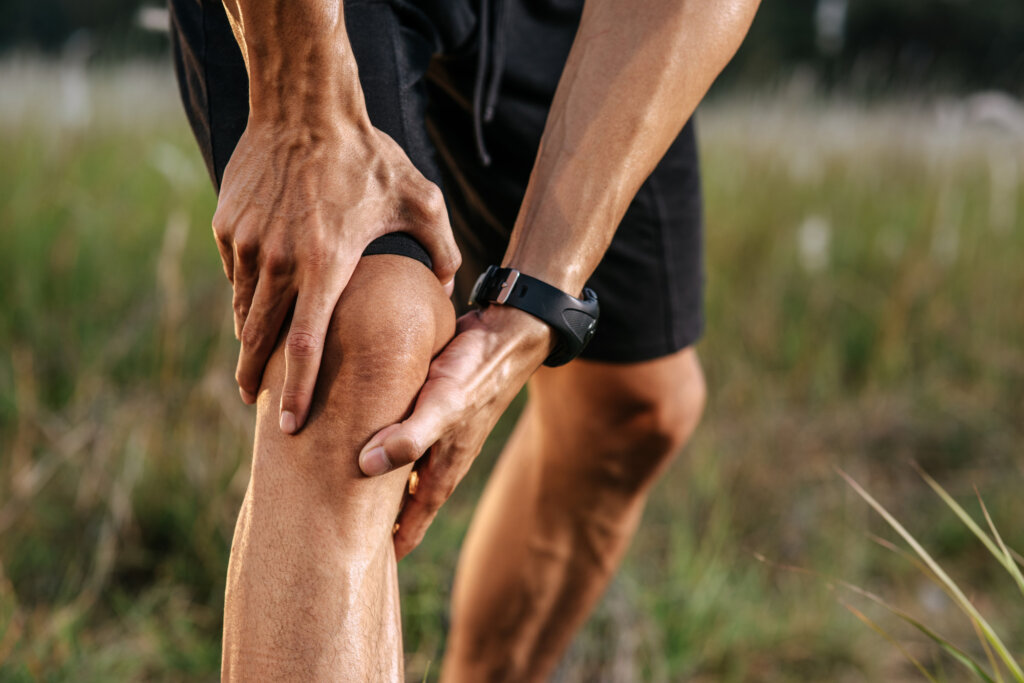
Knee pain rarely shows up all at once.
Most of the time, it sneaks in. Maybe your knee feels stiff first thing in the morning. Maybe stairs suddenly feel heavier. Or you notice a strange ache after a short walk that never used to bother you.
You tell yourself it’s nothing. A long day. Bad shoes. Age catching up.
But for many people, these quiet changes turn out to be early signs of arthritis in knee.
Arthritis builds slowly. It doesn’t rush. And the sooner you notice what’s happening, the easier it is to manage pain and keep moving the way you want to.
Let’s talk about the common signs of arthritis in knee, what causes arthritis, when arthritis treatment actually helps, and what you can do without overthinking every step.
Table of Contents
ToggleSo what is knee arthritis, really?
Inside your knee joint is cartilage. Think of it as a soft cushion that lets your bones glide past each other.
When that cushion starts wearing down, movement gets rough. Bones rub. Stiffness shows up. Pain follows. Suddenly, things that felt automatic start taking effort.
Osteoarthritis is the most common type. Rheumatoid arthritis and arthritis after injuries can affect the knee too.
Different reasons. Same outcome. A knee that just doesn’t feel like it used to.
Early signs of arthritis in knee
This is where it gets tricky. Early symptoms are easy to ignore. They come and go. They don’t always hurt much.
Here are some common signs of arthritis in knee people usually notice first:
Morning stiffness
You wake up and your knee feels tight. After sitting for a while, it happens again. Once you move around, it eases. Then it comes back later.
Pain during normal movement
Walking. Standing too long. Stairs. Getting up from a chair. At first it’s occasional. Over time, it becomes more regular.
Swelling around the joint
Your knee may look a little puffy or feel warm, especially after activity.
Grinding or cracking sounds
That crunchy feeling when you bend your knee has a name: crepitus. It’s one of the clearer signs of arthritis in knee.
Less flexibility
Fully bending or straightening your knee becomes harder.
Weak or shaky feeling
Some people describe it as their knee feeling unreliable, especially on uneven ground.
Weather related aches
Cold or damp days often make everything feel worse.
Common symptoms at a glance
Sometimes it helps to see things simply:
Symptom | What it feels like | When it shows up |
Stiffness | Tight knee | Morning or after rest |
Pain | Achy or sharp | Walking stairs standing |
Swelling | Puffiness warmth | After activity |
Grinding | Crunchy movement | During bending |
Weakness | Unstable feeling | Turning stepping |
If a few of these sound familiar, it’s probably worth paying attention.
What causes arthritis in the knee?
People often ask, what causes arthritis?
Usually, it’s not just one thing.
- Natural wear over time
- Old knee injuries
- Extra body weight adding pressure
- Family history
- Repetitive strain from work or sports
- Weak muscles around the knee
Sometimes arthritis shows up after surgery or trauma. Other times it creeps in slowly with no clear starting point.
Understanding what causes arthritis helps guide the right physiotherapy treatment.
When knee pain becomes more than “just a bad day”
Not every sore knee means arthritis.
But pain that sticks around for weeks or months deserves attention.
You may want help if:
- Pain affects walking or sleep
- Swelling keeps coming back
- You stop doing things you enjoy
- Your knee feels unstable
- Home remedies stop working
Ignoring early signs of arthritis in knee usually leads to more stiffness and weaker muscles later on.
How knee arthritis is usually diagnosed
Diagnosis often includes:
- A physical exam
- Talking through symptoms and daily habits
- Imaging like X-rays or MRI
- Sometimes blood tests depending on the type
Once there’s clarity, your provider can suggest arthritis treatment based on how serious it is and how it affects your day to day life.
Arthritis treatment: what actually helps?
There’s no one-size solution.
Most arthritis treatment focuses on reducing pain, improving movement, and slowing joint damage.
Here’s what that often looks like:
Movement and therapy
Specific exercises strengthen muscles around the knee, improve flexibility, and support the joint.
This is where centers like Bridges Speech Center often work alongside therapy teams to support overall movement and everyday function, especially when knee pain starts interfering with routines.
Small lifestyle changes
These add up more than people expect:
- Low impact activities like swimming or cycling
- Managing body weight if needed
- Wearing supportive shoes
- Taking movement breaks instead of sitting too long
Pain management
Heat. Cold packs. Topical creams. Medication when prescribed.
Extra support
Braces or walking aids can help during flare-ups.
In more advanced cases, injections or surgery may be discussed. But many people do well with early arthritis treatment and steady care.
Can therapy really help knee arthritis?
Yes. Often more than people think.
Movement based therapy builds strength, balance, and confidence. Many notice improvements just by learning better ways to move and support their joints.
When knee pain starts affecting posture, walking, or daily routines, guided therapy can slow things down and restore stability.
Final thoughts
The signs of arthritis in knee usually start quietly.
A stiff morning. A sore step. A swollen joint after a short walk.
Listening early matters.
Understanding what causes arthritis, recognizing symptoms, and starting arthritis treatment before pain takes over can help you stay active longer.
If knee discomfort is already changing how you move or live, it may be time to reach out. Places like Bridges Speech Center support whole-body care and can help guide you toward Orthopedic Physiotherapy Treatment that fits your needs.
Your knees carry you through everything. Take care of them.
Frequently Asked Questions
What are the earliest signs of arthritis in the knee?
Morning stiffness, mild pain while walking, slight swelling, and reduced flexibility are common early signs.
Can knee arthritis go away on its own?
No. Arthritis does not reverse naturally. But proper arthritis treatment can reduce pain and improve movement.
What causes arthritis in younger adults?
Old injuries, repetitive strain, genetics, and excess weight can lead to earlier joint wear.
Is walking good or bad for knee arthritis?
Gentle walking usually helps. It keeps joints moving and strengthens muscles. High impact activity may worsen symptoms.
When should I see someone about knee pain?
If pain lasts more than a few weeks, limits daily activities, or comes with swelling or instability, it’s time for an evaluation.