

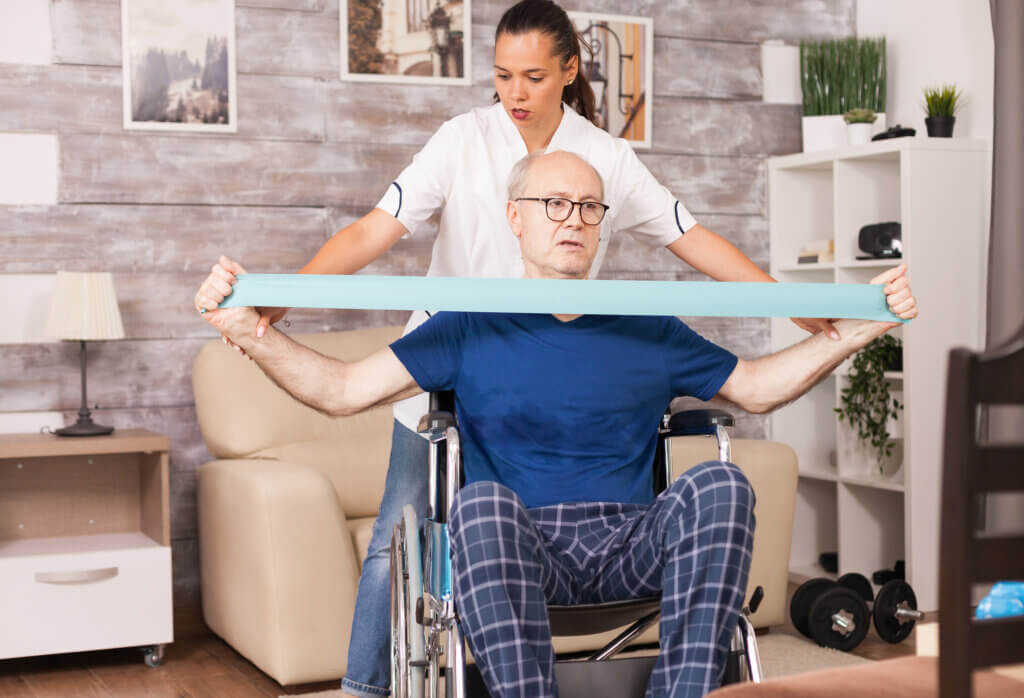
Getting older changes the body in quiet ways at first. Knees feel stiff in the morning. Standing up from the sofa takes a little longer. A short walk that used to feel easy suddenly feels tiring. These things happen gradually, so people often ignore them.
But over time those small issues can turn into real mobility problems.
That’s where physiotherapy for elderly at home starts to matter. Instead of traveling to a clinic several times a week, the therapist comes to the patient’s home. Therapy happens in the same space where daily life actually happens. The bedroom, hallway, kitchen, even the front steps.
For many seniors, this setup just feels easier. Less stressful. And honestly, sometimes more effective too.
In this guide we’ll talk about how physiotherapy for elderly at home works, the kinds of conditions it can help with, and when families usually start thinking about a physiotherapy home service.
Table of Contents
ToggleWhat Physiotherapy for Seniors at Home Really Means
Physiotherapy focuses on helping the body move better. It improves strength, flexibility, balance, and overall physical function.
When therapy happens at home, the approach becomes more practical. A physiotherapist watches how the person actually moves around the house. Maybe getting out of bed is difficult. Maybe walking down the hallway feels unstable. Maybe the stairs feel risky.
With physiotherapy for elderly at home, therapy is built around these real situations.
A typical physiotherapy home service may include:
- Gentle strength exercises
- Balance training
- Pain relief techniques
- Walking support
- Mobility improvement
The goal isn’t to push someone too hard. It’s to help them move safely and feel more confident in their own body again.
Why Home Physiotherapy Helps Many Seniors
Traveling to appointments can be exhausting for older adults. Sometimes the trip to the clinic takes more energy than the therapy session itself.
That’s one big reason physiotherapy for elderly at home is becoming more common.
A few things make it particularly helpful.
Familiar Surroundings
People move differently at home compared to a clinic setting. A therapist can see exactly how the person navigates their living space. That makes therapy more practical.
Lower Stress
Many seniors feel more relaxed at home. When the environment feels comfortable, exercises often go more smoothly.
Better Consistency
It’s simply easier to stick with therapy when there’s no travel involved. Regular sessions are important for recovery.
And consistency is where progress really starts showing.
Health Conditions That Often Need Home Physiotherapy
A lot of age-related conditions respond well to physiotherapy. Some involve joint pain. Others affect balance or muscle strength.
Here are some common situations where physiotherapy for elderly at home is helpful.
Condition | How Physiotherapy Helps |
Arthritis | Improves joint movement and reduces stiffness |
Back pain | Strengthens supporting muscles and posture |
Stroke recovery | Helps restore mobility and coordination |
Balance problems | Improves stability and reduces fall risk |
Post-surgery recovery | Supports safe movement during healing |
Parkinson’s disease | Maintains flexibility and mobility |
Working inside the home makes therapy more relevant. For example, a patient recovering from surgery may practice walking from their bedroom to the kitchen safely.
These small everyday activities are actually a big part of recovery.
Treatments Commonly Used in Home Physiotherapy
A physiotherapy home service usually combines several treatment approaches depending on the patient’s condition.
Here are a few that are commonly used.
Strength Building Exercises
Muscle strength tends to decline with age. Simple exercises help rebuild strength in key areas like legs hips and core muscles.
These muscles are essential for walking and standing.
Balance Training
Balance issues are one of the main reasons older adults fall. So therapists often spend time working on controlled standing exercises and movement patterns.
With regular practice, stability improves.
Pain Management
Pain from arthritis or chronic conditions can limit movement. Physiotherapy helps by improving joint mobility and gently stretching tight muscles.
Sometimes just moving the body the right way reduces pain naturally.
Walking and Mobility Training
Some seniors develop an unsteady walking pattern. A physiotherapist can help correct this and teach safer movement techniques.
A physiotherapy home service makes this easier because the therapist can observe walking patterns inside the actual home environment.
Signs an Elderly Person Might Need Physiotherapy
Families usually start thinking about therapy after noticing certain changes.
Some signs are obvious.
Maybe an older parent struggles to stand up from a chair. Maybe walking feels slow and unstable. Sometimes the person avoids stairs completely.
Other signs include:
- Frequent falls or near falls
- Persistent joint pain
- Reduced mobility
- Recovery after surgery
- Loss of balance while walking
When these things start happening, physiotherapy for elderly at home can help prevent the situation from getting worse.
Simple Things Families Can Do to Support Therapy
Family support can make a big difference during recovery.
You don’t need to do anything complicated. A few small adjustments at home can help a lot.
Keep Walkways Clear
Loose rugs or clutter increase fall risk. Clear pathways make movement safer.
Encourage Gentle Activity
Short walks inside the home help maintain flexibility and circulation.
Help With Daily Exercises
Physiotherapists usually give simple exercises to practice between sessions. Encouraging consistency helps progress.
Stay in Touch With the Therapist
If something feels painful or uncomfortable, it’s important to mention it. Therapy plans can always be adjusted.
A good physiotherapy home service always encourages communication with family members.
How Home Therapy Is Evolving
Home physiotherapy today looks a bit different than it did years ago. The basic idea is the same but the approach has become more personalized.
Many therapists now design programs that match the patient’s daily lifestyle instead of following a rigid routine.
Technology also plays a role. Some therapists track progress using simple apps or digital notes. This helps monitor mobility changes over time.
Another shift is the move toward multidisciplinary care.
For example, Bridges Speech Center in Dubai offers integrated therapy services. Some elderly patients may need both physical rehabilitation and communication support.
In those cases, services like speech therapy Dubai can work alongside physiotherapy. This approach is especially useful for patients recovering from neurological conditions like stroke.
The First Physiotherapy Session
The first session of physiotherapy for elderly at home usually focuses on assessment.
The therapist observes movement patterns and asks questions about daily activities.
Things they often evaluate include:
- Muscle strength
- Balance
- Walking pattern
- Pain levels
- Mobility limitations
After the evaluation, a treatment plan is created. Exercises are introduced gradually so the patient doesn’t feel overwhelmed.
Progress is monitored over time and the program is adjusted as strength improves.
Conclusion
Growing older does not automatically mean losing mobility or independence. With the right support, many seniors continue living active and comfortable lives.
Physiotherapy for elderly at home plays an important role in making that possible. It focuses on practical movement, pain reduction, and safer daily routines.
Because therapy happens in the home, exercises connect directly to real life situations. Walking through a hallway. Standing up from a chair. Moving around safely.
For families looking for professional rehabilitation support, Bridges Speech Center provides therapy services that may include physiotherapy and speech therapy Dubai as part of a coordinated care approach.
If you would like to learn more about available therapy services, you can reach out through the contact us page.
Sometimes small improvements in movement lead to big improvements in quality of life.
Frequently Asked Questions
Is physiotherapy for elderly at home effective?
Yes. Many seniors actually respond better to therapy at home because exercises relate directly to daily activities.
How long does home physiotherapy usually last?
It depends on the condition. Some patients need therapy for a few weeks while others benefit from ongoing sessions.
Can physiotherapy help reduce falls?
Yes. Balance training and muscle strengthening are key parts of fall prevention.
Is home physiotherapy suitable after surgery?
Yes. Many seniors recover faster when therapy begins early at home after procedures like hip or knee surgery.