

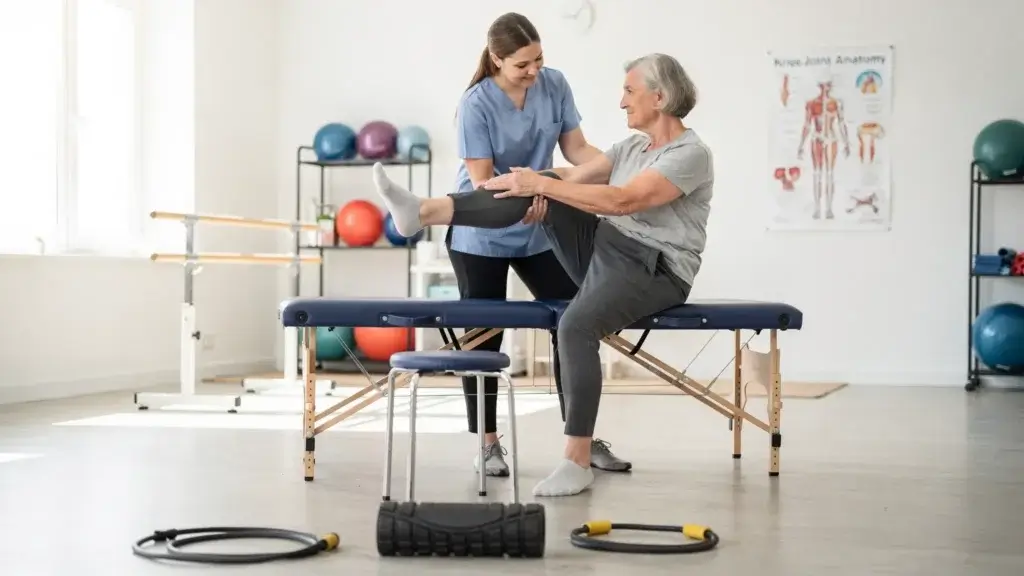
Acute arthritis can feel like it arrives overnight: a joint that was fine yesterday becomes painful, stiff, swollen and difficult to use today. Whether it is the knee, ankle, wrist or big toe this sudden flare can interrupt work, family life and sleep.
Medical care is the first priority for acute arthritis because some causes need urgent treatment. Rehabilitation then plays a major role in calming symptoms, restoring safe movement and helping you return to daily activities with more confidence.
At Bridges Speech Center in Dubai our rehabilitation team supports children, adults and older adults with physiotherapy occupational therapy psychological support plus coordinated services such as Speech therapy Dubai when communication swallowing or voice concerns are part of a wider health picture.
Table of Contents
ToggleWhat acute arthritis means and why early action matters
Acute arthritis is a sudden onset of joint inflammation. Common signs include pain with swelling warmth, reduced range of motion and difficulty bearing weight.
This type of flare can happen for several reasons:
- Crystal arthritis such as gout or pseudogout
- A flare of inflammatory disease such as rheumatoid arthritis
- Reactive arthritis after an infection
- Trauma or overloading of a joint that is already vulnerable
- Infection inside the joint (septic arthritis) which is an emergency
Because acute arthritis is a symptom pattern rather than one single diagnosis clinicians often focus on identifying the cause quickly. Your doctor may recommend blood tests, imaging or joint aspiration depending on the presentation.
Red flags that need urgent medical review
Seek urgent medical care if you have acute arthritis with:
- Fever chills or feeling unwell
- A very hot joint with rapidly worsening pain
- Inability to bear weight or severe limitation of movement
- Recent surgery joint replacement or immunosuppression
For general patient guidance on hot swollen joints you can also refer to trusted health systems such as the NHS information on swollen joints and emergency warning signs.
First steps during an acute arthritis flare
The early phase of acute arthritis is about safety symptom control and protecting the joint without total immobilization.
1) Get the right medical diagnosis
If this is your first episode of acute arthritis or it is unusually severe do not self-diagnose as gout or “just inflammation.” Septic arthritis and other conditions can look similar early on.
2) Use smart protection not complete rest
Many people respond to pain by stopping all movement. Short periods of relative rest can help but full inactivity for days can increase stiffness, weakness and fear of movement.
Practical tips that are usually safe while you are waiting for assessment:
- Reduce joint load (shorter walks fewer stairs fewer heavy lifts)
- Use a supportive brace or assistive device if advised
- Apply cold packs for 10 to 15 minutes to reduce pain and heat
- Elevate the limb when swelling is present
- Avoid aggressive stretching that increases pain afterwards
If medication has been prescribed, follow it exactly and tell your clinician if symptoms are not improving.
How rehabilitation helps in acute arthritis
Rehabilitation does not replace medical treatment for acute arthritis. It works alongside it by helping you keep the joint as functional as possible while inflammation settles.
A good rehab plan aims to:
- Reduce pain swelling and muscle guarding
- Maintain or restore joint range of motion
- Rebuild strength around the joint for stability
- Improve walking balance and confidence
- Protect daily activities such as dressing bathing cooking and work tasks
- Reduce the risk of recurring flares through education and conditioning
These principles apply across many causes of acute arthritis even though the exact exercises and precautions differ.
Physiotherapy strategies commonly used for acute inflammatory joint pain
During acute arthritis the joint is sensitive. Rehab should be calm graded and based on clear “pain rules.” Your physiotherapist may focus on:
Pain and swelling control
This may include positioning education, gentle hands-on techniques and selected clinic modalities when appropriate. The goal is to help you move more comfortably so you can begin restoring function.
Gentle mobility and range of motion
Small frequent movement sessions often work better than one long session. For example ankle pumps, knee bends in a comfortable range or wrist circles can reduce stiffness without provoking a flare.
Early strengthening without joint irritation
Isometric exercises (muscle contractions without moving the joint much) can be helpful early on. As symptoms improve, strengthening becomes more dynamic and functional.
Gait and movement retraining
When acute arthritis affects the lower limb many people change their walking pattern which can overload the hip back or the other knee. Physiotherapy can correct this early and reduce secondary pain.
Hydrotherapy and water-based rehab
A growing trend in joint rehabilitation is aquatic therapy because buoyancy reduces joint load while water resistance supports safe strengthening. If this is suitable for your condition it can be a comfortable bridge from flare to full function.
For guideline-based recommendations about exercise and non-drug management you can review patient resources from the American College of Rheumatology.
Occupational therapy support for daily function during a flare
When acute arthritis affects the hands, wrists, shoulders or knees it can disrupt basic routines. Occupational therapy helps you stay independent while protecting joints.
Common OT strategies include:
- Joint protection techniques for gripping lifting and carrying
- Activity pacing and energy conservation for fatigue-related conditions
- Splinting recommendations when appropriate
- Adaptive tools for dressing bathing writing and kitchen tasks
In Dubai many families look for integrated care. Bridges Speech Center provides coordinated rehabilitation which can include occupational therapy Dubai style services within a wider therapy plan.
The mind and pain connection: a practical role for psychological support
Pain during acute arthritis is real and physical. It is also influenced by stress, sleep quality worry and threat perception. Psychological support can help people manage flare-related fear, avoid catastrophizing and build coping strategies.
Modern pain rehabilitation often includes education on pacing relaxation skills and cognitive behavioral strategies. This is especially useful when arthritis flares become recurrent.
A simple 10-minute home routine for acute arthritis days
Always follow your clinician’s advice especially if infection is suspected or if you have been told to limit movement. For many non-emergency presentations of acute arthritis a short routine like this can support recovery:
- 2 minutes of diaphragmatic breathing to reduce guarding
- 3 minutes of gentle range of motion within comfort (small arcs not forcing end range)
- 2 minutes of isometric holds (for example quad sets for knee flares)
- 2 minutes of light walking or weight shifting if tolerated
- 1 minute of elevation and cold pack setup if swelling is present
Consistency matters more than intensity. Track how the joint feels 2 hours later and the next morning. If you consistently feel worse, reduce the load and consult your therapist.
Latest trends in arthritis rehabilitation in 2026
Rehab for acute arthritis is becoming more personalized and data-informed. Current trends include:
- Tele-rehabilitation and hybrid care for follow-ups when travel is difficult
- Wearable-informed activity pacing (step counts and recovery days) to avoid boom-bust cycles
- Load management rather than total rest, focusing on safe gradual reloading
- Water-based programs for low-impact strength and mobility
- Multidisciplinary care pathways that address pain mood sleep and function together
If you live with repeat acute arthritis episodes these approaches can help you move from “reacting to flares” to actively managing risk factors.
What to expect from rehabilitation at Bridges Speech Center in Dubai
At Bridges Speech Center we use a team approach because real recovery is about function not just symptom reduction. Your program for acute arthritis may include physiotherapy occupational therapy and psychological support depending on your needs.
Some clients also need support for communication swallowing or voice issues that can co-occur with autoimmune conditions, neurological conditions or aging. In those cases we can coordinate with our speech therapist team and connect you with services such as speech therapy and Speech therapy Dubai so care stays consistent.
If you are comparing providers or want to understand who is involved in care you can explore our team of speech therapist clinicians alongside rehabilitation services.
Typical rehab phases and goals
Timeframes vary by diagnosis, severity and medical treatment. The table below shows a common structure many clinicians use for acute arthritis recovery planning.
Phase | Main goal | What rehabilitation focuses on | What you can do at home |
Acute phase | Calm pain and swelling | Education protection gentle mobility symptom control strategies | Cold packs elevation short mobility sessions pacing |
Recovery phase | Restore motion and confidence | Range of motion strengthening gait retraining safe return to daily activities | Home exercises short walks graded loading |
Prevention phase | Reduce recurrence risk | Conditioning joint mechanics lifestyle supports and flare planning | Strength routine weight management sleep stress plan |
When to get reassessed
Re-check with your doctor or therapist if:
- Your acute arthritis is not improving within the expected window given your diagnosis
- You develop fever new redness rapidly increasing swelling or severe night pain
- You have repeated flares in the same joint
- Pain is improving but function is not returning (for example persistent limping)
Early reassessment prevents missed diagnoses and keeps rehabilitation safe.
Conclusion
Managing acute arthritis usually requires two coordinated steps: accurate medical diagnosis and a structured rehabilitation plan. Rehab helps control pain, restore movement, rebuild strength and protect daily function so you do not lose weeks of activity after every flare. With modern options such as graded loading hydrotherapy and telehealth support many people can recover more smoothly and reduce repeat episodes.
If you or a family member is dealing with acute arthritis and needs a practical rehab plan in Dubai the team at Bridges Speech Center can help. To book an assessment and discuss the right mix of physiotherapy, occupational therapy and supportive services please contact us.
Frequently Asked Questions
What is the difference between acute arthritis and chronic arthritis?
Acute arthritis refers to sudden joint inflammation that develops quickly over hours or days. Chronic arthritis is long-term joint disease where symptoms persist or recur over months or years.
Can exercise make acute arthritis worse?
During an acute flare the wrong type of exercise can aggravate symptoms. Rehabilitation uses gentle graded movement and strengthening that respects pain and swelling so activity supports healing rather than triggering irritation.Lorem ipsum dolor sit amet, consectetur adipiscing elit. Ut elit tellus, luctus nec ullamcorper mattis, pulvinar dapibus leo.
How long does acute arthritis take to settle?
The timeline depends on the cause and treatment. Some flares improve within days while others take longer. If symptoms are severe or not improving with appropriate care you should seek reassessment.
Do I need rehabilitation if I am already taking medication for acute arthritis?
Often yes. Medication can reduce inflammation but rehabilitation helps restore motion strength, walking mechanics and daily function which lowers the risk of stiffness weakness and repeat flare patterns.