
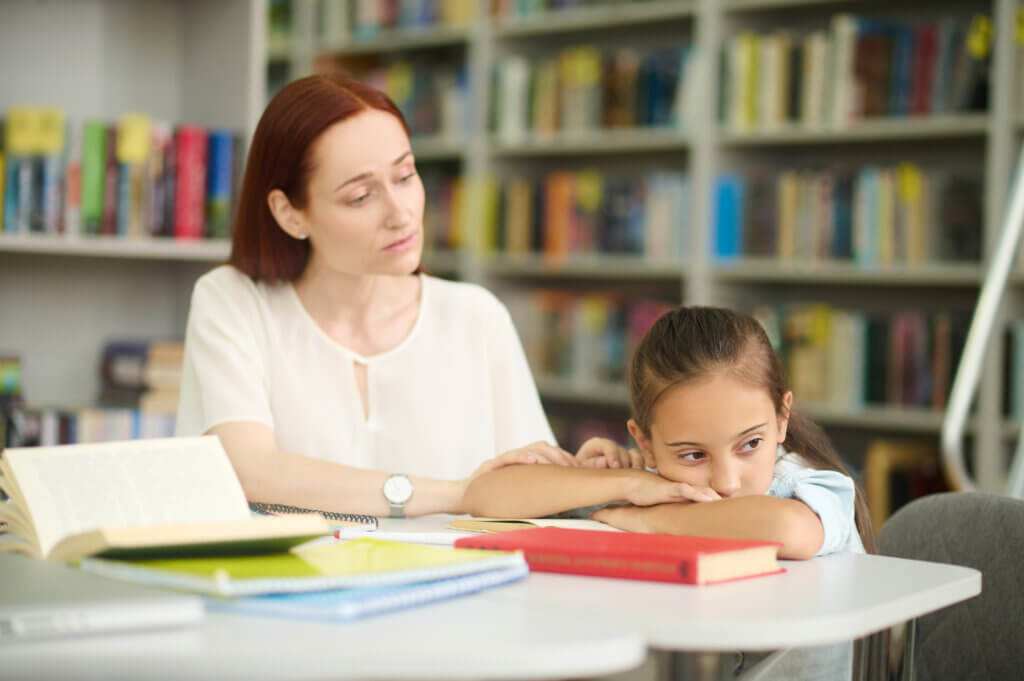
Sometimes parents notice small things before teachers do. A child who avoids reading aloud. Someone who mixes up letters again and again. Or maybe homework takes twice as long as it should. None of these things automatically mean something serious. But sometimes they point toward learning difficulties in children.
And honestly, this topic worries many parents. The moment school becomes stressful for a child, questions start popping up. Is this just a phase? Will they catch up? Do we need extra help?
The truth is, learning challenges in kids are more common than people think. Many children simply process information differently. With the right support early on, they often improve a lot and gain confidence too.
Let’s look at what learning difficulties actually mean and how early support can help.
Table of Contents
ToggleWhat Are Learning Difficulties in Children?
Learning difficulties in children refer to challenges that affect how a child learns, understands information or develops academic skills. It might affect reading, writing, language understanding or even remembering instructions.
One important thing to keep in mind. These difficulties are not about intelligence. Many children with learning challenges are curious, creative and smart. They just learn in a slightly different way.
Some common areas where children struggle include:
- Reading and spelling
- Writing sentences or organizing thoughts
- Understanding spoken instructions
- Paying attention in class
- Remembering information
In some cases children improve with extra guidance from teachers and parents. In other situations professional support such as speech therapy Dubai services can help strengthen language and communication skills.
Types of Learning Difficulties
Not all learning challenges look the same. One child may struggle with reading while another finds numbers confusing. Here are some common learning differences professionals often talk about.
|
Type of Difficulty |
What It Affects |
Signs Parents Might Notice |
|
Dyslexia |
Reading and spelling |
Slow reading, confusing letters, skipping words |
|
Dyscalculia |
Numbers and math |
Difficulty counting, trouble with basic calculations |
|
Dysgraphia |
Writing skills |
Messy handwriting, difficulty organizing ideas |
|
Processing difficulties |
Understanding information |
Trouble following instructions, slow responses |
Sometimes a child experiences only one of these. Sometimes there is a mix. That is why early observation matters.
Signs Parents Might Notice
Learning difficulties in children rarely appear suddenly. Usually the signs show up little by little.
A few things parents commonly notice include:
- Struggling to learn the alphabet
- Difficulty remembering simple instructions
- Avoiding reading activities
- Trouble expressing ideas clearly
- Difficulty keeping up with classmates
Some children also get frustrated quickly when learning tasks become difficult. Over time this frustration can affect their confidence.
That is one reason early support makes such a difference.
Why Do Learning Difficulties Happen?
There is no single cause behind learning difficulties in children. Different factors can play a role.
Brain Development Differences
Some children simply process language or information differently. Their brains may need more repetition or different learning methods.
Language Delays
Children who have delays in speech or language development may later struggle with reading or comprehension. This is why speech therapy is sometimes recommended early.
Attention Challenges
Difficulty staying focused can affect how a child learns new concepts or follows classroom instructions.
Family Learning Patterns
Learning differences can sometimes run in families. A parent who struggled with reading in school may notice similar patterns in their child.
Why Early Support Really Matters
The earlier learning challenges are addressed, the easier it becomes to support the child.
Young brains are flexible. With the right guidance they can develop new learning strategies much more easily.
Early support for learning difficulties in children can help them:
- Build stronger communication skills
- Improve reading and language development
- Feel more confident in school
- Reduce frustration related to learning
Without support, some children start believing they are simply “bad at studying.” That mindset can be harder to change later.
The Role of Speech Therapy
Many learning challenges are closely linked to language skills. If a child struggles to understand words or express ideas clearly, reading and writing can also become difficult.
That is where speech therapy Dubai services can help.
Speech therapists work with children to strengthen core language skills such as:
- Understanding spoken language
- Expanding vocabulary
- Sentence formation
- Listening and comprehension
- Communication confidence
These skills support learning across almost every school subject.
At Bridges Speech Center, therapy programs often focus on helping children build these language foundations gradually. Progress is sometimes slow at first. Then suddenly parents notice small changes. A child answers questions more clearly. Reading becomes less stressful.
Those small improvements matter more than people realize.
Things Parents Can Do at Home
Therapy is helpful but daily support at home also plays a big role.
A few simple habits can strengthen learning skills over time.
Read Together
Reading even a short story every day helps develop vocabulary and listening skills. It does not need to be perfect reading either. Just spending time with books helps.
Give Simple Instructions
Instead of giving several directions at once try breaking them into steps.
For example
“Take your notebook.”
“Now open page ten.”
Small changes like this help children process information more easily.
Encourage Conversation
Talking about daily experiences helps children organize thoughts and improve communication.
Focus on Effort
Children with learning challenges often hear criticism about schoolwork. Encouraging effort instead of focusing only on results can build confidence.
New Ways Professionals Support Learning
Support for learning difficulties in children has improved quite a bit in recent years.
Instead of using only one teaching method, professionals often combine different approaches.
Multisensory learning
Children learn using visual activities, listening exercises and hands on tasks together.
Technology assisted learning
Interactive apps and digital tools help children practice reading or language skills in engaging ways.
Integrated therapy programs
Many centers combine speech therapy, occupational therapy and educational guidance.
This kind of combined support often works better than focusing on only one area.
How Bridges Speech Center Helps
When learning challenges affect language or communication skills, professional therapy can help children move forward.
At Bridges Speech Center, therapists work with children who experience communication delays, language difficulties and learning related challenges.
Support may include:
- Speech therapy sessions
- Language development programs
- Early intervention support
- Collaboration with parents and teachers
Families looking for speech therapy Dubai services often choose centers that focus on personalized therapy plans. Each child learns differently, so therapy usually adapts to the child’s pace and needs.
Final Thoughts
Learning difficulties in children can feel overwhelming at first. Many parents worry about their child’s future the moment school becomes challenging.
But learning differences do not mean a child cannot succeed.
With early support, patience and the right learning strategies children can develop the skills they need. Sometimes they even discover strengths in areas no one expected.
The important thing is not ignoring the signs. When parents ask questions early and seek guidance when needed, children get the support that helps them grow with confidence.
And honestly, that confidence can change everything.
Frequently Asked Questions
What are learning difficulties in children?
Learning difficulties in children are challenges that affect reading, writing, understanding language or processing information. They do not mean a child is less intelligent.
What are common signs of learning difficulties?
Common signs include trouble reading, difficulty remembering instructions, avoiding schoolwork or struggling to express ideas clearly.
Can children overcome learning difficulties?
Many children improve significantly with early support, structured learning methods and therapy when needed
When should parents seek speech therapy?
If a child struggles with language understanding, communication or learning related to speech and language skills, a speech therapist may help.