

Some days, regular routines feel way harder than they should. Not because someone isn’t trying but because the body or brain is working overtime in the background. A child who keeps dodging handwriting might not be “lazy” at all. It could be grip strength, coordination, or just not knowing how to plan the movement. An adult recovering from a stroke might know exactly what they want to do, but getting dressed or cooking safely suddenly feels complicated.
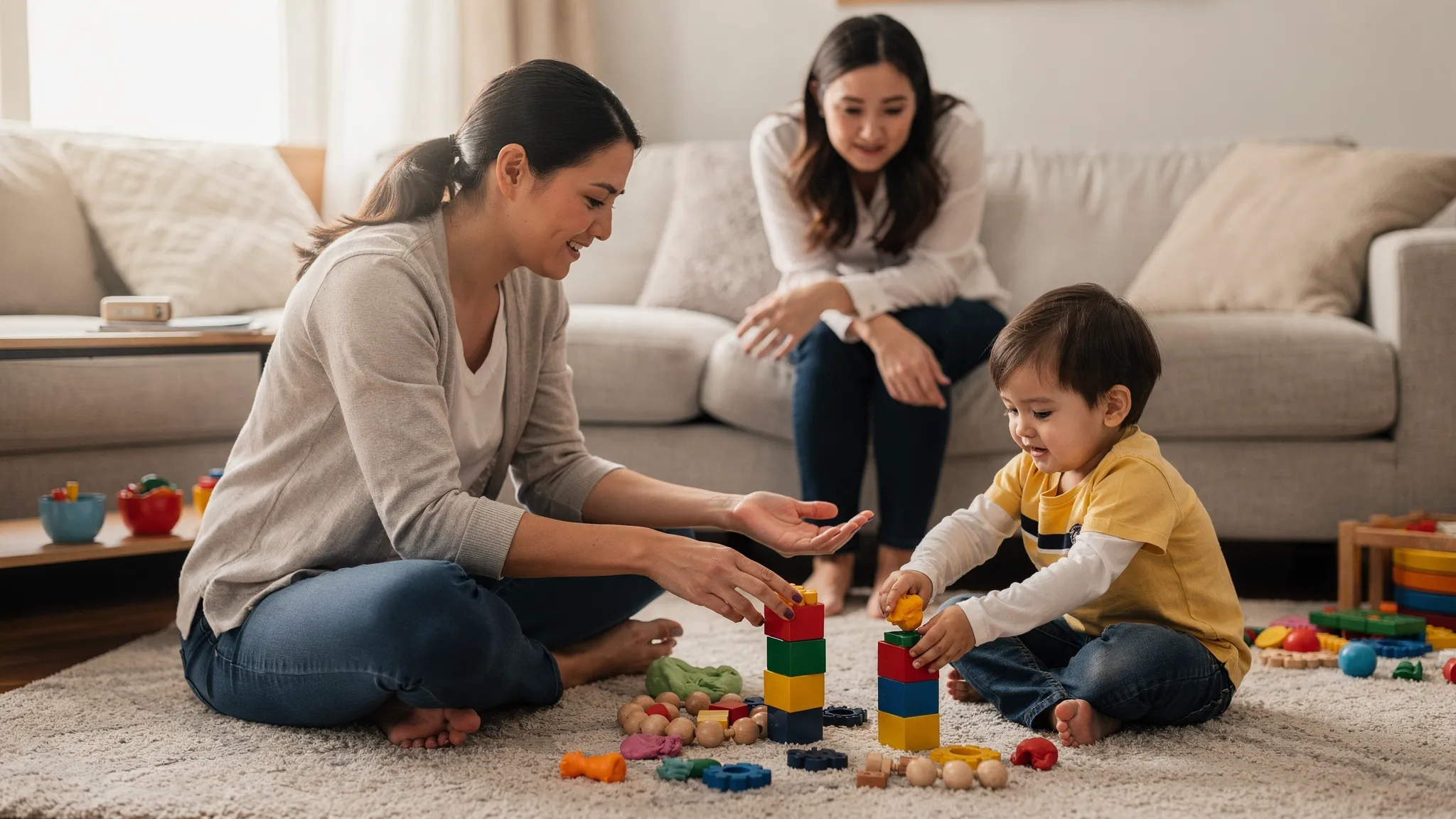
This is where occupational therapy at home makes sense. Instead of practicing skills in a neat clinic room, therapy happens right where life is already happening. Same furniture. Same routines. Same challenges. And that’s often where progress actually sticks.
What “everyday challenges” usually look like at home
When people hear “therapy,” they often think of big medical issues. But most everyday challenges are smaller and repeat themselves over and over. Those little moments slowly affect confidence and independence.
For children, it might be things like:
- Holding a pencil comfortably
- Sitting through homework without melting down
- Tolerating hair brushing or nail cutting
- Managing messy play
- Using cutlery
- Buttoning a school uniform
- Coping with loud, busy spaces
For teens, challenges often shift. You might see:
- Very slow written work
- Trouble organizing school tasks
- Low endurance for daily routines
- Avoidance of self-care
- Stress around expectations that seem “simple” to others
For adults, it’s often more practical:
- Fatigue and pacing issues
- Reduced hand function after injury
- Difficulty getting back to work tasks
- Feeling unsteady in the shower
- Slower thinking that makes planning the day harder
And for older adults, families may notice:
- Slower movement
- Higher fall risk
- Less confidence in the kitchen
- Forgetfulness that disrupts routines
- Trouble using hands for hobbies or self-care
Occupational therapy at home isn’t about practicing under perfect conditions. It’s about making real progress in the middle of real life.
Why therapy at home helps skills carry over
A lot of people do well in clinic sessions and then it just doesn’t translate at home. That gap is called carryover, basically how well skills move from therapy into daily life.
Home-based occupational therapy helps close that gap because nothing is simulated. Therapy happens with your actual chairs, your own kitchen setup, your child’s usual distractions, and your family’s real schedule.
It also allows for:
- Goals that actually match daily routines
- Problem-solving in the moment (like adjusting dining chairs or bathroom layouts)
- Parent and caregiver coaching while things are happening
- Better consistency when travel is exhausting or unrealistic
For many families in Dubai, home therapy also just makes sense when a child feels overwhelmed by new places or when an adult has mobility or energy limitations.
Who occupational therapy at home can help
Occupational therapy at home works across ages and needs. Every plan should be individual, but common situations include:
- Children who need help with fine motor skills, handwriting readiness, scissor use, daily living skills, or sensory processing
- Children with autism or ADHD who benefit from structure, routine support, and practical skill-building
- Adults recovering from stroke, brain injury, orthopedic injuries, or living with neurological conditions
- Older adults who want to stay safe at home with fall prevention, energy conservation, and routine support
If you’re looking for background info, Bridges Speech Center shares a helpful occupational therapy guide that explains how OT goals connect to everyday life.
What actually happens during occupational therapy at home
Good occupational therapy at home isn’t random activities at the kitchen table. It’s structured, clinical, and just grounded in daily tasks.
1. Looking at real-life function
The therapist starts by observing what the person needs to do each day and what’s getting in the way. This might include posture, coordination, strength, attention, sensory processing, visual-motor skills, and the home setup itself.
With children, this often includes how transitions go, how play looks, how long they can stay engaged, and what triggers dysregulation.
With adults, the focus may be safety, sequencing, endurance, pain patterns, and which tools or routines need adjustment.
2. Setting goals that actually fit your day
Goals are specific and practical, like:
- A child putting on socks with minimal help
- A teen completing a 10-minute writing task with less fatigue
- An adult preparing a simple snack safely using pacing strategies
3. Building skills through real tasks
This is the core of home-based OT. A therapist might build hand strength through play, but also through opening containers, using cutlery, or handling school tools.
Adults may practice dressing strategies, shower routines, kitchen sequencing, or hand tasks needed for work and home life.
4. Coaching caregivers along the way
Home therapy works best when caregivers understand why a strategy helps. Sessions include hands-on coaching on how to set up tasks, give cues, adjust routines, and make things challenging but doable.
When home sessions are part of a bigger plan, Bridges Speech Center also offers coordinated home therapy services for families who need multiple supports.
Everyday challenges and how occupational therapy at home addresses them
The table below shows common daily difficulties and examples of what occupational therapy at home may target. (Your therapist should always tailor strategies to the individual.)
| Everyday challenge | What may be going on | How occupational therapy at home can help | Example at-home focus |
|---|---|---|---|
| Handwriting is messy or slow | Weak hand strength, poor pencil grasp, low endurance, visual-motor challenges | Build foundational skills and adapt the task | Pencil grip support, paper position, short practice bursts |
| Meltdowns during dressing | Sensory sensitivity, motor planning challenges, transition difficulty | Simplify steps and improve tolerance | Clothing choice, sequencing visuals, practice with real uniform |
| Picky eating with texture sensitivity | Sensory processing differences, oral-motor coordination concerns | Support feeding readiness and sensory tolerance | Mealtime posture, utensil use, graded texture exposure (as appropriate) |
| Trouble focusing on homework | Regulation challenges, poor seating, sensory seeking or sensory avoiding | Improve body regulation and setup | Movement breaks, chair and desk setup, routine structure |
| Adult struggles after injury | Reduced coordination, weakness, pain, reduced confidence | Rebuild independence through task practice | Safe transfers, pacing, kitchen task sequencing |
What progress looks like in real homes
Because occupational therapy at home uses daily life as the “equipment,” progress often looks very practical.
A morning routine might be reworked so a child moves from waking up to dressing to breakfast with fewer power struggles. That could involve visual schedules, texture changes in clothing, predictable sequences, and small independence goals.
Hand skills might be practiced through play but also through real tasks like opening lunch boxes, managing zippers, or organizing a pencil case.
For sensory needs, therapists may suggest routines that actually fit your space: heavy work activities, a calming corner, or structured movement breaks. Bridges Speech Center also explains this approach in their sensory integration resource.
For adults, home occupational therapy often focuses first on safety, then efficiency, bathroom routines, energy conservation, cooking tasks, and step-by-step practice of what matters most day to day.
How Occupational therapy at home works alongside speech support
Many families need more than one service. A child learning independence skills may also need help with communication, social interaction, or feeding.
Bridges Speech Center is a multidisciplinary clinic in Dubai, so families can coordinate occupational therapy with speech therapy and home-based programs when needed.
When communication affects daily tasks, therapists often collaborate so the child or adult can better express needs, follow directions, and take part in routines.
How to know if home Occupational Therapy is the right choice
Occupational therapy at home is often a good fit when:
- You want goals tied directly to home routines
- Travel makes consistency hard
- A child struggles to carry skills over from clinic to home
- An adult has mobility or fatigue issues
- Caregivers want hands-on training in the real environment

Many people also combine clinic sessions with home visits, depending on goals and attention needs.
If you’re considering in-home care in Dubai, Bridges Speech Center includes OT as part of their occupational therapy home services.
Small daily wins really do add up
Occupational therapy at home helps with everyday challenges by working inside your routines, your space, and your real-life priorities. It can support children with dressing, feeding, play, and school readiness. It can help adults regain independence after injury or manage long-term conditions with more confidence.
When therapy happens where life actually happens, progress often feels more realistic and easier to maintain.
Book occupational therapy at home in Dubai with Bridges Speech Center
If you are ready to start occupational therapy at home in Dubai, Bridges Speech Center can help with individualized plans for children and adults. Explore their Home therapy services and contact the team to schedule an assessment and build a practical plan for everyday independence.