

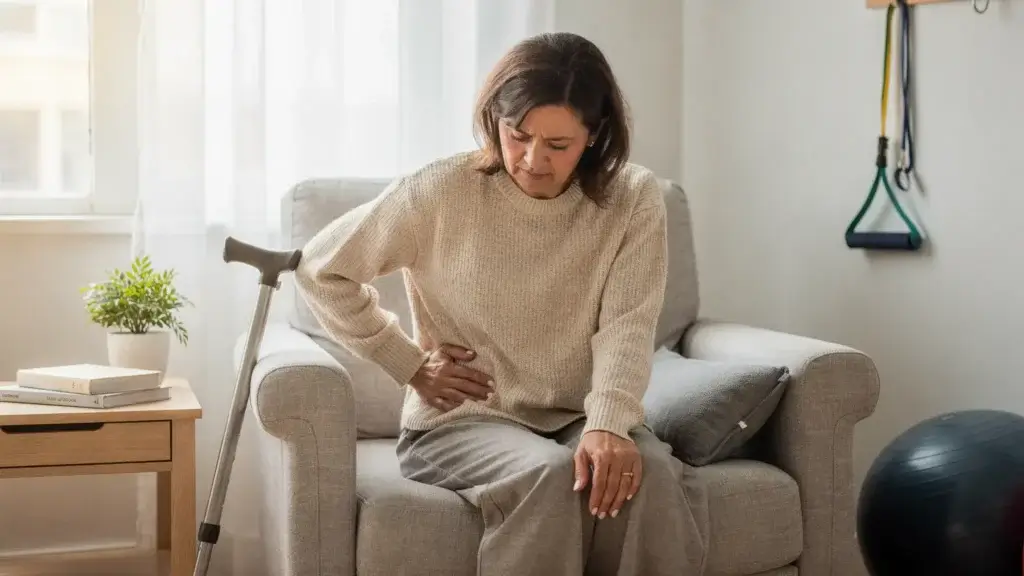
Hip discomfort can start as a mild ache after a long day then turn into a sharp pinch when you stand from a chair or climb stairs. Because the hip is a deep weight bearing joint pain can come from the joint itself or from nearby muscles, tendons, nerves or even the lower back. If you are dealing with Hip Joint Pain the good news is that many causes respond well to early assessment plus the right mix of activity changes targeted exercise and guided rehabilitation.
At Bridges Speech Center in Dubai our multidisciplinary team supports children, adults and older adults with rehabilitation needs including physiotherapy occupational support and home based care. For people whose hip symptoms are linked to neurological conditions we also coordinate with speech therapy Dubai services for whole person recovery.
Table of Contents
ToggleUnderstanding Hip Joint Pain
Hip Joint Pain usually describes pain felt in the groin front of the thigh or deep inside the hip. Pain on the outer side of the hip is often related to tendons or bursae rather than the joint surface itself although it can still feel like it is coming from the joint.
A quick look at how the hip works
The hip is a ball and socket joint. The femoral head is the ball and the acetabulum is the socket. Cartilage helps the surfaces glide. Strong ligaments plus muscles around the hip stabilize the joint during walking running lifting and sitting.
When any part of this system becomes irritated or overloaded Hip Joint Pain can show up during daily activities such as:
- Getting in and out of a car
- Sitting for long periods
- Turning in bed
- Walking up stairs
Common causes of Hip Joint Pain
There is no single reason for Hip Joint Pain. Causes range from short term strain to longer term joint changes. A clinician will consider your age, activity level, health history and where you feel pain.
1) Osteoarthritis and age related joint changes
Hip osteoarthritis is a common source of Hip Joint Pain especially in adults over 45. Typical features include groin pain, stiffness after rest and reduced range of motion. Pain often builds gradually.
2) Tendon overload and greater trochanteric pain
Pain on the outside of the hip is often linked to gluteal tendinopathy or bursitis like irritation. It may worsen when lying on that side standing on one leg or walking uphill. Many people call this Hip Joint Pain even though the primary issue is near the joint not inside it.
3) Femoroacetabular impingement and labral problems
In some active adults hip shape differences can lead to impingement with certain movements. This can irritate the labrum and create clicking catching or sharp pain in the groin. Symptoms can be mistaken for a hip flexor strain.
4) Muscle strains and sports injuries
Sudden increases in training sprinting or direction changes can strain the hip flexors adductors or deep rotators. Pain is often more superficial and may be tender to touch.
5) Fracture stress fracture or avascular necrosis
After a fall or in people with bone density concerns Hip Joint Pain needs urgent evaluation to rule out fracture. Stress fractures can also occur with repetitive impact. Avascular necrosis is less common but important because it affects blood supply to the femoral head.
6) Referred pain from the spine or pelvic region
Low back conditions such as nerve irritation can mimic Hip Joint Pain. So can sacroiliac joint issues. A good exam helps identify whether the hip is the main driver.
7) Hip pain in children and teens
Children can experience hip pain due to growth related conditions overuse or neuromotor diagnoses. If a child limps avoids weight bearing or has fever alongside pain seek medical assessment promptly. In Dubai many families prefer a coordinated pathway through a child development center Dubai that can connect physiotherapy occupational and communication supports when needed.
Symptoms that help narrow down the cause
People describe Hip Joint Pain in different ways. These patterns can provide clues.
- Groin pain often suggests joint related sources such as arthritis impingement or labral irritation
- Outer hip pain often points to gluteal tendon overload
- Buttock pain can relate to the spine deep hip muscles or the posterior hip capsule
- Stiffness after rest is common with osteoarthritis
- Night pain can occur with significant inflammation tendon problems or severe joint changes
Red flags that need urgent medical care
Seek urgent medical assessment if Hip Joint Pain comes with:
- Inability to bear weight
- Severe pain after a fall
- Fever unexplained redness or feeling unwell
- Numbness progressive weakness or bowel bladder changes
How Hip Joint Pain is diagnosed
A clear diagnosis usually starts with a detailed history then a physical exam looking at walking pattern range of motion strength and provocative tests. Your provider may recommend imaging based on clinical findings.
- X ray helps evaluate arthritis joint space changes and fractures
- MRI is useful for labral cartilage tendon and stress injury evaluation
- Ultrasound can support assessment of bursae and tendons
- Blood tests may be used if inflammatory arthritis or infection is suspected
Quick reference table: common patterns and likely sources
Pain pattern | Common contributors | Typical clues | What often helps first |
Deep groin pain | Osteoarthritis impingement labral irritation | Stiffness reduced rotation pain with twisting | Activity modification progressive strengthening mobility work |
Outer hip pain | Gluteal tendinopathy bursae irritation | Worse lying on that side pain with single leg stance | Load management hip abductor strengthening sleep positioning changes |
Front of hip pain | Hip flexor strain impingement | Pain lifting knee sprinting rising from a chair | Gradual return to activity targeted strengthening movement retraining |
Hip plus back or leg symptoms | Lumbar referral nerve irritation | Tingling burning pain below knee worse with spine positions | Spine plus hip assessment graded exercise education |
Effective treatment options for Hip Joint Pain
The right plan depends on the cause. Many cases of Hip Joint Pain improve with conservative care when started early.
Step 1: calm the irritation without stopping all movement
In the early stage aim for relative rest not total rest.
- Reduce activities that reproduce sharp pain such as deep squats steep stairs long walks
- Use ice or heat based on what eases symptoms
- Keep gentle motion such as short flat walks if tolerated
Medication choices such as anti inflammatory options should be discussed with a physician especially if you have stomach kidney heart or blood pressure concerns.
Step 2: physiotherapy focused rehabilitation
Physiotherapy is often a first line treatment for Hip Joint Pain because it targets the underlying mechanics that drive overload.
A progressive plan may include:
- Hip and glute strength work to improve joint load sharing
- Mobility drills for hip rotation flexion and extension based on tolerance
- Gait retraining for stride length cadence and pelvic control
- Manual therapy when appropriate to support comfort and movement
- Education on pacing so you build capacity without flare ups
If you are exploring structured rehabilitation you may find it useful to read about the role of orthopedic physiotherapy in healing and functional recovery since the same staged principles apply to many hip conditions.
Step 3: occupational therapy for daily life modifications
For many families and working adults the biggest challenge is not exercise. It is getting through the day with less pain. Occupational therapy Dubai services can help you adjust tasks and routines to reduce joint stress while you build strength.
Examples include chair height adjustments, safe strategies for dressing pacing for housework and workplace ergonomics. If sitting triggers your symptoms, review these practical guidelines on correct sitting posture and why it matters and bring your most painful activities to your therapist so the plan matches real life.
Step 4: injections procedures and surgery when needed
Some cases of Hip Joint Pain may require medical interventions alongside rehab.
- Corticosteroid injections may be considered for certain inflammatory flares or bursae related pain
- Image guided injections can also support diagnosis in complex cases
- Surgical opinion may be appropriate for advanced arthritis significant labral pathology or fractures
Even when procedures are used, outcomes are typically best when rehabilitation is included before and after.
Home care and modern trends in Hip Joint Pain management
A major trend in 2026 is combining clinic care with structured home programs supported by telehealth. This is especially helpful for busy schedules, older adults and post operative recovery.
At Bridges Speech Center families can explore home based rehabilitation options and learn what to expect from home care physical therapy or book targeted support through expert physio at home in Dubai. Home care can be ideal for Hip Joint Pain when climbing stairs, driving or leaving the house increases symptoms.
Other emerging supports your clinician may recommend include:
- Simple wearable step tracking to guide gradual activity increases
- Video based technique checks for form and pacing
- Hybrid plans that alternate in person visits with tele rehabilitation
When Hip Joint Pain is part of a bigger rehabilitation picture
Sometimes Hip Joint Pain is not only a local joint issue. It can appear alongside stroke Parkinson’s disease, multiple sclerosis or after prolonged hospitalization. In these situations a coordinated plan can also include communication swallowing and cognitive support.
Bridges Speech Center offers integrated rehabilitation services so families can access physiotherapy occupational therapy psychological support plus speech therapy when needed. For example after neurological events some people need speech pathologist Dubai support for speech clarity swallowing safety or cognitive communication while also rebuilding walking endurance.
If you are caring for a loved one after a stroke you may also find this guide helpful: Stroke and rehabilitation steps to get back to normal life.
Practical tips you can start today
If Hip Joint Pain has been lingering for more than a week use these simple actions to reduce flare ups while you arrange an assessment:
- Choose shorter more frequent walks rather than one long walk
- Avoid sitting low on soft couches. Use a firmer chair with hips slightly higher than knees
- When sleeping place a pillow between knees if side sleeping irritates the outer hip
- Do not push through sharp pain during exercise. Aim for mild effort discomfort that settles within 24 hours
Key takeaways
Hip Joint Pain can come from arthritis tendon overload impingement muscle strain referred back pain or injury. The most effective approach is early evaluation followed by a staged plan that combines load management strengthening mobility and functional training. Home based rehabilitation and telehealth are growing trends that can improve consistency and results.
If you are in Dubai and want a clear plan for Hip Joint Pain supported by a multidisciplinary team contact Bridges Speech Center. We can coordinate physiotherapy with occupational therapy Dubai services and when needed connect you with speech therapy Dubai support for neurological rehabilitation.
To book an appointment use our contact us page.
Frequently Asked Questions
What is the most common cause of Hip Joint Pain?
Osteoarthritis and tendon overload around the hip are common. The exact cause depends on age activity level injury history plus where the pain is felt.
When should I worry about Hip Joint Pain?
Seek urgent care if you cannot bear weight after a fall or if you have fever, severe night pain, unexplained swelling or neurological symptoms such as numbness or weakness.
Do I need an X-ray for hip joint pain?
Not always. Many cases improve with assessment and conservative care. Imaging is usually recommended when symptoms are persistent severe traumatic or when your clinician suspects arthritis fracture or specific structural issues.
Can physiotherapy really help Hip Joint Pain without surgery?
Yes, for many people. A tailored strengthening and movement plan often reduces pain, improves function and helps you return to daily activities. Some conditions still need medical procedures but rehab is typically essential either way.