
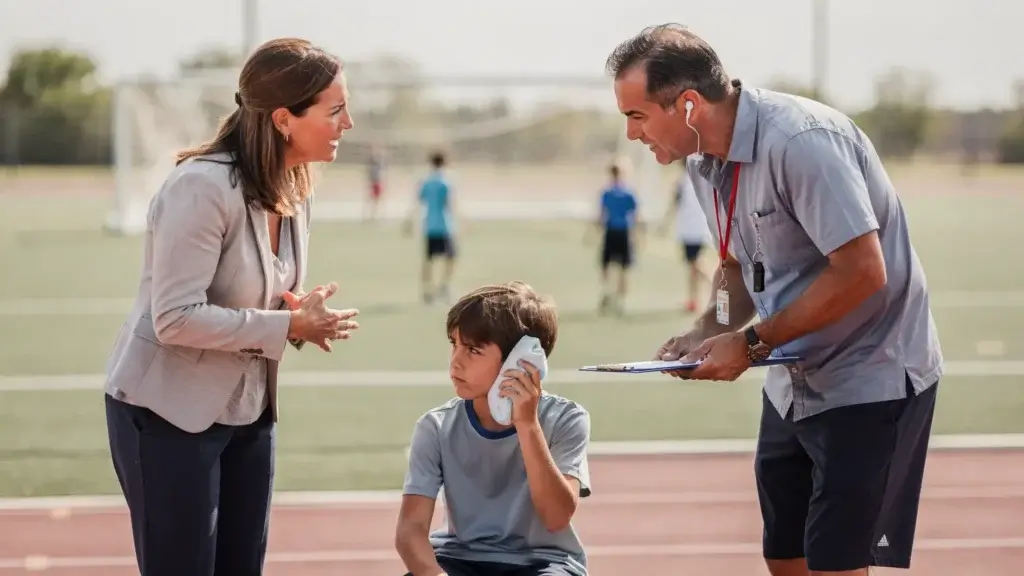
Falls collisions and fast play are part of youth sports. Most bumps are mild. Some are not.
Head Injuries in Sports are one of the most important issues for parents, coaches and schools because symptoms can be subtle. A child may look “fine” while their brain is still recovering.
This guide explains common warning signs what to do immediately and how to support a safe return to school and sport. At Bridges Speech Center we support families in Dubai through physiotherapy occupational therapy psychology and speech therapy Dubai services when a head injury affects communication memory swallowing or confidence.
Table of Contents
ToggleWhat counts as Head Injuries in Sports?
Head Injuries in Sports include any impact or rapid movement that causes the brain to move inside the skull. This includes direct hits to the head and body hits that cause whiplash.
Common examples:
- A header collision in football
- A fall from a bike scooter or skateboard
- A hard tackle in rugby
- A fall during gymnastics or basketball
The most discussed type of Head Injuries in Sports is concussion but serious brain injury is also possible.
Why children are at higher risk
Kids and teens have developing brains and weaker neck strength than many adults. They may also under-report symptoms to avoid being benched.
You should assume Head Injuries in Sports can affect more than headaches. They can affect mood, sleep, balance attention, learning and speech.
Signs parents should never ignore after Head Injuries in Sports
Symptoms can appear immediately or develop over hours.
Common concussion-like symptoms
After Head Injuries in Sports watch for:
- Headache or pressure
- Dizziness balance problems
- Nausea or vomiting
- Sensitivity to light or noise
- Feeling foggy slow or confused
- Sleep changes (too sleepy or trouble sleeping)
Communication and thinking changes
Many parents focus on physical signs and miss cognitive-communication changes. After Head Injuries in Sports you may notice:
- Word-finding difficulty
- Slower speech or longer pauses
- Trouble following instructions
- Reduced attention during conversation
- Increased frustration when speaking
These are areas where speech therapy Dubai support can be useful during recovery when a clinician confirms it is appropriate.
Red flags that need urgent medical help
Seek emergency care immediately after Head Injuries in Sports if a child has:
- Loss of consciousness
- Worsening headache
- Repeated vomiting
- Seizure
- Unequal pupils
- Increasing confusion agitation or unusual behavior
- Weakness numbness or trouble walking
What to do immediately when Head Injuries in Sports happen
If a head impact occurs follow a simple rule: when in doubt sit them out.
Remove from play right away
Continuing to play increases the risk of a second impact. A second injury during recovery can lead to longer symptoms.
Monitor and document
Write down what happened. Note symptoms and when they started. This helps medical professionals make better decisions.
Get medical assessment
Head Injuries in Sports should be assessed by a qualified healthcare provider. In Dubai families can also coordinate rehabilitation support when symptoms persist.
A practical action table for parents
What you notice after Head Injuries in Sports | What to do | What to avoid |
Mild headache brief dizziness child is alert | Stop sport rest monitor and arrange clinical assessment | Returning to play the same day |
Symptoms worsen over time | Seek urgent medical care | Waiting overnight “to see” |
Confusion memory gaps slow responses | Medical evaluation and school adjustments | Long screen time and noisy environments |
Speech changes word-finding trouble increased frustration | Ask for cognitive-communication screening if symptoms persist | Pressuring the child to “talk normally” |
Return to school then return to sport
A modern approach to Head Injuries in Sports often follows two parallel tracks.
Return to learn
School symptoms are common. Start with shorter days, reduced homework rest breaks and reduced screen exposure as recommended.
If your child struggles with attention language processing or organizing speech after Head Injuries in Sports a licensed clinician can screen for cognitive-communication needs.
Return to play
Children should not return to sport on the day of the injury. A stepwise plan is safer.
A physiotherapist can also look at neck strength balance and visual-motor control. These systems can contribute to lingering symptoms after Head Injuries in Sports.
If you are also managing other body injuries at the same time you can learn more about rehabilitation planning through Bridges’ page on sports injuries in children.
Latest trends in managing Head Injuries in Sports (2026)
1) More focus on early guided activity
Total dark-room rest for long periods is less common than it used to be. Many protocols now emphasize early symptom-limited movement as advised by clinicians.
2) Better sideline awareness and school collaboration
Programs increasingly train coaches and teachers to spot Head Injuries in Sports signs and to support academic adjustments.
3) Technology in prevention
Some teams use baseline testing apps and smart sensors. These tools can support decision-making but they do not replace clinical assessment.
4) Whole-child recovery including mental health
Anxiety, irritability and fear of falling behind can extend symptoms. Support from psychology can be helpful when emotional stress increases after Head Injuries in Sports.
How Bridges Speech Center supports families in Dubai
Bridges Speech Center provides multidisciplinary rehabilitation services in a safe supportive environment. For families navigating Head Injuries in Sports care can include physiotherapy for balance neck control and return-to-activity planning.
If your child has ongoing communication challenges or learning-related language strain after an injury our team can also help through speech therapy services. Families looking specifically for speech therapy Dubai support can start with Speech therapy Dubai and book an assessment.
When a child needs speech-language evaluation you can also review our clinician team and scope of support with a licensed speech therapist.
Conclusion: trust your instincts and act early
Parents play a critical role in spotting Head Injuries in Sports. If something seems off, take it seriously. Early rest medical assessment and a structured return to school and sport can protect your child’s long-term health.
If you are in Dubai and need coordinated rehabilitation guidance Bridges Speech Center can support your family through physiotherapy occupational therapy psychology and speech therapy Dubai services when communication or cognition are affected.
Book a consultation through contact us.
Frequently Asked Questions
Can Head Injuries in Sports show symptoms hours later?
Yes. Head Injuries in Sports can have delayed symptoms. Monitor your child for at least 24 to 48 hours and seek medical care if symptoms appear or worsen.
Should my child sleep after Head Injuries in Sports?
Sleep can support recovery but follow medical guidance. If there are red flags like repeated vomiting, worsening headache or confusion seek urgent care.
Do Head Injuries in Sports always involve a concussion?
No. Head Injuries in Sports can range from minor scalp bumps to concussion to serious brain injury. Clinical assessment helps determine the level of concern.
When can my child return to sport after Head Injuries in Sports?
Return should be gradual and guided by a healthcare professional. Many children need both return-to-learn progress and symptom stability before full sport participation.